AI-assisted home DNA sequencing is going viral, with users reporting they built functional wetlabs from scratch using nothing but an AI assistant and a consumer nanopore device. The science is real, the regulatory gap is vast, and the implications run deeper than any social media post suggests.
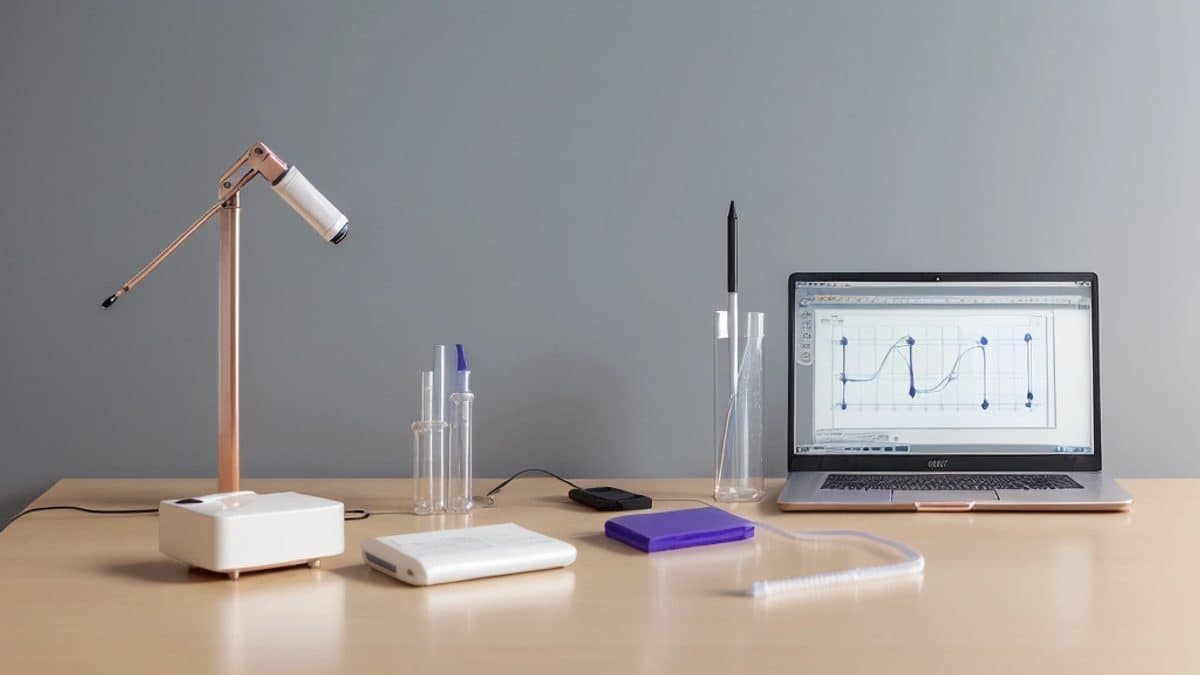
A post circulating across biotech forums and social feeds this week captured the mood perfectly: zero lab experience, one AI assistant, one thumb-sized sequencer, and a fully assembled home wetlab producing whole-genome sequencing data. The claim sounds like hyperbole until you understand exactly how much the technical landscape has shifted in the past eighteen months. Large language models, particularly Claude, have become remarkably capable laboratory mentors , walking total novices through DNA extraction protocols, library preparation steps, and sequencing run configuration with the kind of patience and specificity that used to require a graduate supervisor or a paid course.
The hardware enabling this moment has existed longer than most people realize. Oxford Nanopore Technologies launched its MinION sequencer back in 2015 , a USB-connected nanopore device roughly the size of a thumb drive, retailing around $1,000, and genuinely capable of whole-genome sequencing in the right hands. What changed recently was not the device but the knowledge layer around it. AI assistants have effectively collapsed the distance between a motivated amateur and a trained technician, handling the procedural complexity that once kept home sequencing firmly in the realm of fantasy.
That said, "zero experience" deserves a raised eyebrow. The chemistry involved in whole-genome sequencing is unforgiving. Reagents require cold-chain storage. Contamination from even minor handling errors can corrupt an entire run. Library preparation , the process of fragmenting and tagging DNA before sequencing , involves steps where small mistakes cascade into unusable data. An AI can describe a protocol with precision, but it cannot pipette for you, and it cannot prevent cross-contamination from a poorly maintained workspace. The more accurate framing is probably that Claude meaningfully compresses the learning curve rather than eliminates it entirely. Still, compressing it is significant.
The economics also complicate the DIY pitch. Clinical-grade whole-genome sequencing now costs under $200 through services like Nebula Genomics. For most people interested in their genomic data, paying a professional service is faster, cleaner, and cheaper than sourcing reagents and spending weekends troubleshooting failed runs. The draw of home sequencing is not efficiency , it is autonomy, privacy, and the particular satisfaction that comes with doing something yourself outside any institutional framework. That is a real and growing motivation among a specific cohort, and AI is giving it serious horsepower.
A Regulatory Gap Wide Enough to Sequence Through
The FDA currently has no established framework for home sequencing activities. Consumer genomics companies like 23andMe and AncestryDNA operate under regulatory scrutiny because they collect and return data at scale, but an individual running their own MinION in a spare bedroom exists in a genuine grey zone. The biohacker and DIYbio communities have spent years building responsible practice norms through organizations like Genspace and BioCurious, and those communities deserve credit for taking biosafety seriously long before mainstream attention arrived. What changes now is scale. When a single viral post reaches millions of people with no prior exposure to biosafety culture, the assumption that self-regulation will hold becomes harder to sustain.
The biosecurity dimension extends beyond personal safety. Home sequencing infrastructure, in less careful hands, sits adjacent to questions regulators and biosecurity researchers have long flagged about unmonitored access to biological data and manipulation capabilities. None of this is an argument against the technology , it is an argument for policy catching up to a reality that already exists on the ground.
What to watch: whether Oxford Nanopore leans into the consumer narrative with further hardware simplification, how AI model providers respond to increasingly specific lab protocol requests, and whether the FDA moves to define a regulatory posture before the trend forces the issue. The biohacking frontier just got a very public new arrival, and the institutions that govern it are running several years behind.
Also read: Anthropic account bans send developers scrambling for Claude Code alternatives as trust in single-provider AI erodes • A major study finds that just 10 minutes with an AI assistant is enough to make people worse at thinking without one • SK Hynix begins mass production of 192GB SOCAMM2 memory modules built for NVIDIA's AI server push