OpenAI's newly launched GPT Image 2 is generating images with persistent tiling textures and grime artifacts that users suspect are steganographic watermarks, a development forcing developers to rethink reliance on third-party image APIs for commercial assets.
ChatGPT Images 2.0 rolled out on April 21, complete with the underlying gpt-image-2 model now available across ChatGPT, Codex, and the API. The upgrade brings native reasoning for images, 2K resolution, multi-image consistency, and leaderboard-topping scores on Arena. Text rendering accuracy hit 99%, generation speeds doubled, and complex prompts now fail less than 2% of the time. Benchmarks confirm it leads across text-to-image, single-image edit, and multi-image edit categories. Early testers praised the leap in realism, with outputs reaching 4096x4096 pixels indistinguishable from screenshots in many cases.
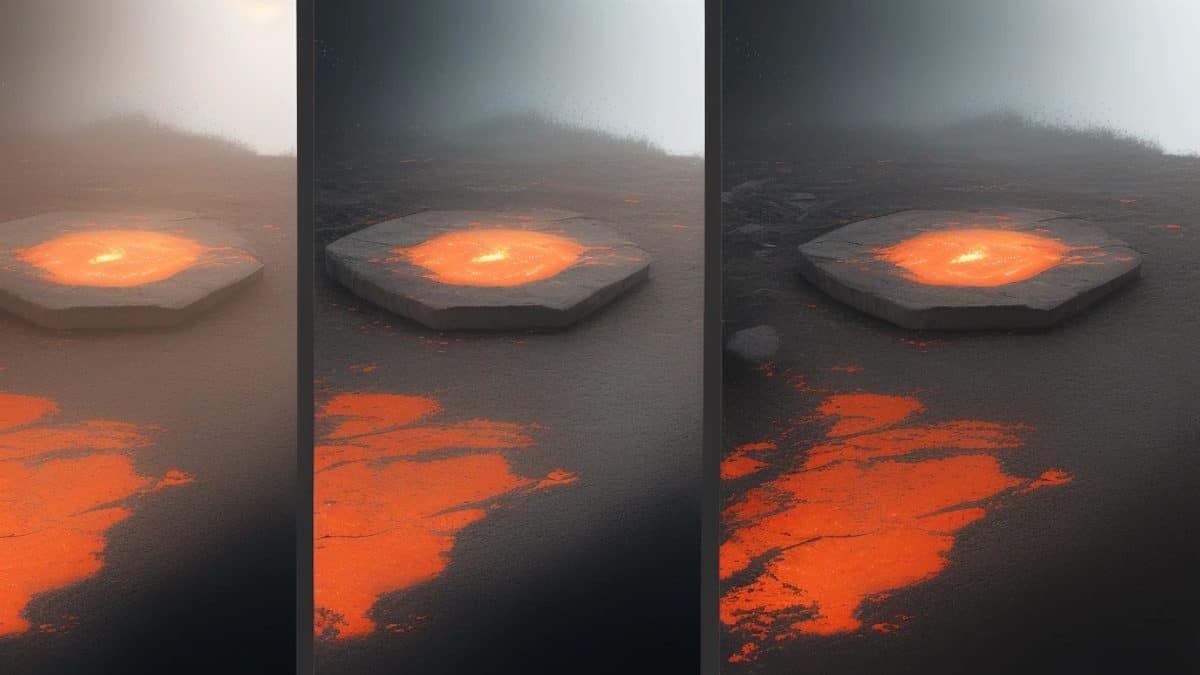
Then came the complaints. Within days, Reddit threads lit up with reports of a consistent quirk: generated images layered with subtle grime, tiling patterns, or noise artifacts. Photorealistic outputs, interiors, landscapes,all marred by what users describe as muddy smears or dirt overlays. Stylized images fare better, but the issue persists across prompts. Attempts to fix it via prompt engineering only worsened the effect, and artifacts carried over between generations in the same conversation.
The workaround is simple but telling: start a new chat. Save clean images and upload them as references. As one r/ChatGPT poster put it, the model seems to "remember" the noise, propagating it forward. ToolPic's April 20 guide, published just before launch, had already flagged anonymous Arena models,maskingtape-alpha, gaffertape-alpha, packingtape-alpha,as OpenAI's next image gen step. The artifacts match reports from those tests.
Watermarks Without Warning
Users aren't just annoyed. They're suspicious. The patterns look deliberate, like pixel-level steganography embedding provenance data. OpenAI has form here: DALL-E 3 outputs invisible watermarks detectable by their tools. GPT Image 2 appears to take this further, baking signatures into the generation process itself. No public disclosure confirms it, but the consistency points to intentional design. Latent Space's April 21 roundup called it a priority after Sora team cuts, positioning image gen as core to OpenAI's stack.
For startups, this changes everything. Building products on image APIs now means every output carries a persistent, potentially detectable mark. Commercial use,ads, product visuals, editorial assets,risks traceability back to OpenAI, complicating licensing and resale. Downstream workflows like upscaling or compositing may amplify the artifacts, creating quality issues. Legal exposure grows too, as C2PA standards roll out in the EU and US. Regulators demand provenance; labs like OpenAI supply it on their terms, quietly.
The industry precedent is clear. Midjourney and Stability AI embed visible or invisible markers. But OpenAI's approach, if confirmed as watermarking, sets a higher bar for subtlety,and a lower one for transparency. Developers must now audit API outputs not just for quality but for embedded IP claims. Due diligence on model providers will include watermark detection runs before production. The grime isn't a bug. It's a signal of where AI media is headed: fully traceable, whether users consent or not. Watch for OpenAI confirmation; the shutdown of DALL-E 2 and 3 on May 12 suggests GPT Image 2 is the migration path forward.
Also read: OpenAI's release timeline from GPT-1 to GPT-5.5 reveals a deliberate strategic evolution • OpenAI's release timeline sparks fresh debate on AI strategy • OpenAI is unbundling its AI stack and the pricing fallout is reshaping the entire industry