OpenAI's gpt-image-2 API launch on April 21 delivers character consistency, native watermarking, and benchmark-leading text rendering, hitting concept art and pre-vis pipelines where they're most vulnerable.
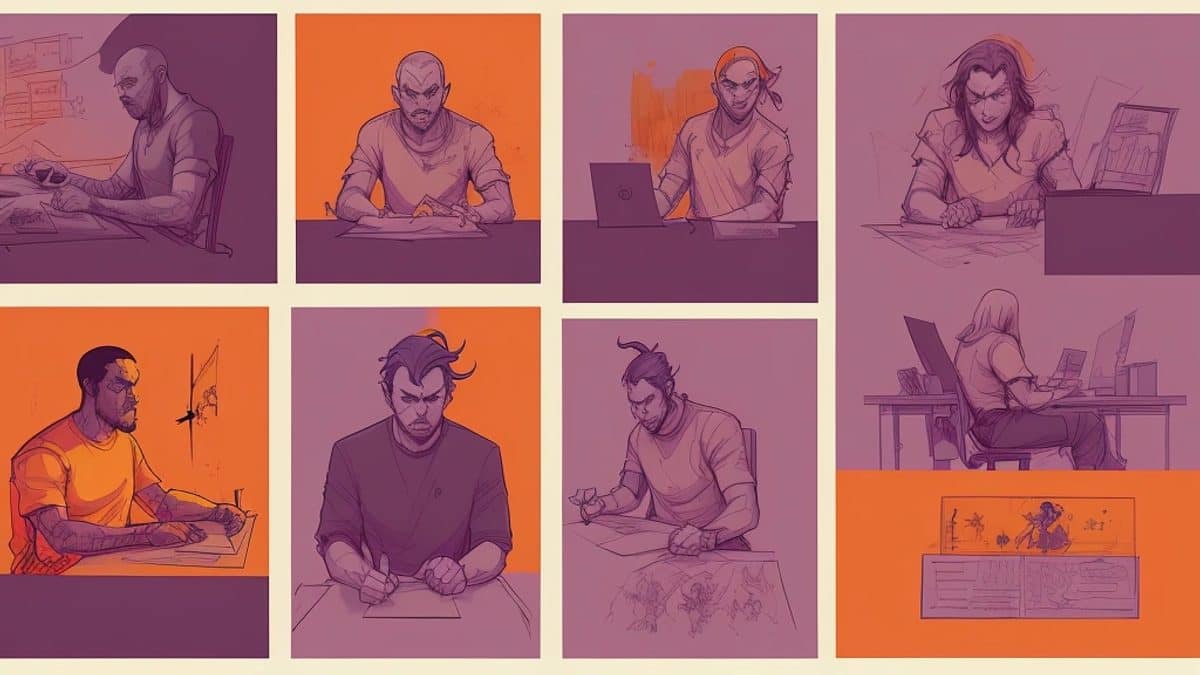
The DALL-E brand is done. What replaced it is messier and more capable. gpt-image-2 ships natively inside ChatGPT, Codex, and the API,no separate interface, no separate billing tier. It's baked into the stack. The naming change isn't cosmetic. It signals that image generation is no longer a standalone product for OpenAI; it's a layer inside the reasoning model. Feed it a three-paragraph creative brief, receive a storyboard sequence where faces stay the same across frames. That capability, called entity persistence, didn't exist at this quality level six months ago.
Text rendering accuracy hits 99%, a stat OpenAI published in the launch notes. Anyone who has watched previous models mangle signage, book covers, or UI mockups knows the jump in practical usefulness that represents. Typography was the last reliable tell for AI-generated imagery in commercial contexts. That tell is closing fast.
Every output carries a C2PA-compliant invisible watermark, baked at generation, not applied as post-processing. The distinction matters. Post-processing watermarks strip. Infrastructure-level marks survive most compression, resizing, and re-upload cycles. OpenAI is explicitly positioning this as a regulatory compliance feature, citing the EU AI Act's disclosure requirements and emerging US state laws on synthetic media. For startups building on the image API commercially, that watermark is both a legal shield and a business constraint, every output traceable to your API key.
Benchmark performance puts gpt-image-2 at the top of Arena's image generation leaderboard, ahead of Midjourney v7 and Flux Pro on text rendering, single-image editing, and multi-image consistency. Midjourney leads on artistic stylisation in some categories, but for commercial workflow use cases,product shots, UI mockups, branded content,the Arena scores currently favour OpenAI's model.
Where Creative Jobs Absorb the Hit
Pre-visualization and concept art are the immediate casualties. Studios using these workflows to pitch animation projects or game environments now have a direct substitute for the first two rounds of iteration, the exploratory sketches that used to cost $500 to $2,000 per round in freelance fees. Multi-paragraph narrative brief to coherent storyboard in seconds is not a distant promise anymore. It shipped April 21.
The disruption isn't total. Art direction, final-mile quality control, and the kind of stylistic vision that defines a franchise still require humans. But the junior end of the concept art pipeline, the volume work that feeds senior decision-making, is now automatable for a significant share of projects. Game studios and animation houses are already adjusting contractor volumes accordingly.
Integration Locks the Ecosystem
For developers, gpt-image-2's deepest advantage isn't any single capability. It's the unified context. A coding agent in Codex can now drop an image into a conversation, reason about its content, and generate a revised version in the same session. Marketing tools built on the API inherit that chain without additional orchestration. OpenAI's bet is that capability bundled inside an existing workflow is stickier than the best standalone tool, and the adoption curve on ChatGPT Images 2.0 since launch suggests that bet is paying off. Watch Runway and Pika's response on the video side. The next logical move is full temporal coherence across still and moving image, and gpt-image-2's architecture is already positioned for that merge.
Also read: GPT-Image 2.0 drops 8K photorealism, slashing creative production costs • IRS AI audits go live, forcing tax tech to build defenses • Anthropic publishes Claude system prompts, setting new AI transparency bar