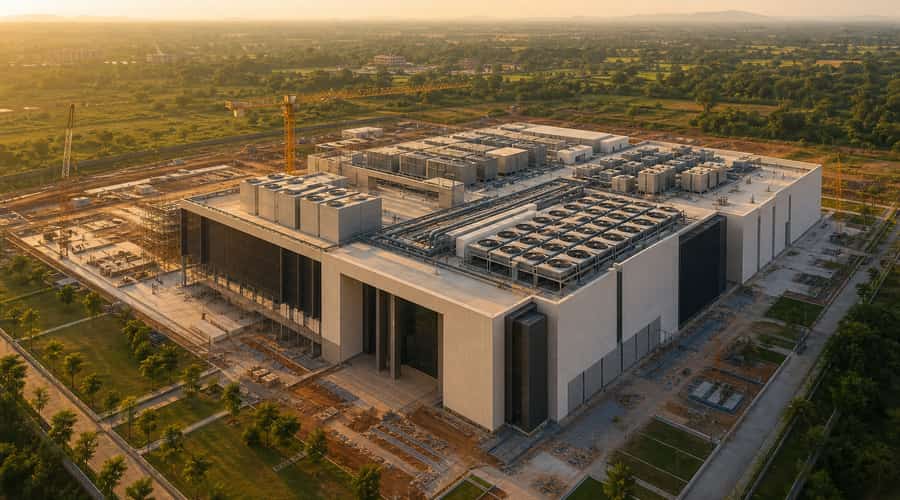
xAI's Memphis power fight is no longer just a local permitting dispute. It is becoming an early test of how far AI companies can push physical infrastructure before courts, regulators, and communities force a slower pace.
Elon Musk's xAI is facing a live Clean Air Act lawsuit over gas turbines used to power its Colossus 2 data center near Memphis, and the case has only grown more important since it was filed. The company wants fast access to enormous compute capacity. Community groups say that speed has come with unpermitted pollution in neighborhoods that already carry a heavy environmental burden.
The NAACP and the Mississippi State Conference of the NAACP sued xAI and MZX Tech in federal court on April 14, 2026, with legal representation from Earthjustice and the Southern Environmental Law Center. The complaint alleges the companies operated 27 methane gas turbines in Southaven, Mississippi without required air permits to support xAI's data center operations across the state line in the Memphis area.
Those details matter because this is not a fight over paperwork alone. The plaintiffs argue the turbines can emit smog-forming nitrogen oxides and other pollutants near homes, schools, and churches in communities that include historically Black neighborhoods. The groups are asking the court for injunctive relief and civil penalties, which means the case could affect not just future permitting, but whether the power setup can keep running while the legal process moves forward.
As Utility Dive recently reported, the Department of Justice has also indicated that it may intervene or participate as amicus in the case, citing the federal government's interest in Clean Air Act interpretation and in promoting American AI leadership. That filing gives the dispute a national policy dimension. A local power workaround has turned into a question about how the United States balances AI dominance with environmental enforcement.
The infrastructure risk is getting harder to ignore
xAI's position, as described in reporting on the case and related filings, is that the turbines are temporary or mobile and therefore do not trigger the permitting rules the plaintiffs cite. The NAACP and its lawyers reject that argument, saying the units function as a gas-fired power plant regardless of how the equipment is labeled.
That distinction is now central to the case. If the court accepts xAI's reading, AI developers may see temporary gas generation as a practical bridge while they wait for grid interconnections and permanent power supply. If the court sides with the plaintiffs, the message to data center builders will be sharper: emergency speed does not erase permitting obligations.
The timing is also important. On May 6, the plaintiffs asked for a preliminary injunction, arguing that the turbines should be halted while xAI comes into compliance. Some later reports have said the number of turbines has increased since the original complaint, which would strengthen the plaintiffs' argument that the buildout is continuing despite active litigation. For investors, that is the kind of fact pattern that turns a compliance issue into an operating risk.
AI companies have spent the past two years talking mostly about chips, models, and talent. The Memphis case shows why that frame is now too narrow. Training clusters need land, water, substations, transmission capacity, backup power, and local consent, or at least enough local tolerance to keep projects from being dragged into court. The bottleneck is no longer only the GPU order book.
What investors should take from Memphis
The immediate business risk is straightforward. If xAI is forced to shut down turbines, install additional controls, or wait for permits before operating at full capacity, that could affect data center availability and the pace of model training. Even if the company ultimately prevails, litigation can consume management attention and add cost at the moment when rivals are also racing to scale.
The reputational risk is just as real. Environmental justice disputes tend to harden quickly because they are not abstract fights about capacity. They involve residents who live near the infrastructure and can point to asthma, ozone, noise, and long histories of industrial exposure. Once a company is seen as treating those concerns as secondary, later community engagement becomes harder and more expensive.
There is a broader lesson here for founders and financiers backing compute-heavy businesses. Data center diligence cannot stop at power availability and construction timelines. It has to include local air rules, state and federal permitting thresholds, public-health concerns, grid constraints, and the political posture of regulators who may be under pressure from both AI boosters and affected residents.
xAI's bet is clear. Capacity is valuable enough to justify moving fast, even with legal resistance building around the project. That may still prove right if the company avoids an injunction and secures durable power arrangements. But the case has already shown that the physical limits of AI are not theoretical. They are legal, geographic, and social, and the companies that scale best will be the ones that treat infrastructure discipline as part of the product, not an afterthought.
Also read: Anthropic's profit path shows AI's business model is maturing • Anthropic's $1.25bn-per-month bet on xAI makes compute the new battlefield • OpenAI's geometry breakthrough may be its strongest case yet for AI as co-discoverer