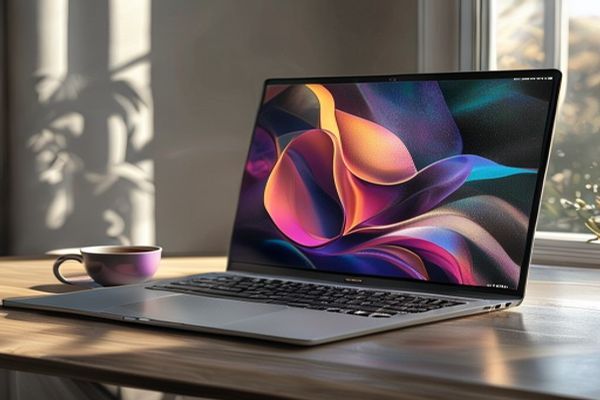
ASUS's ZenBook A16 pairs Qualcomm's new Snapdragon X2 Elite chip with a stunning design, delivering the performance ARM laptops have promised for years.
ARM-based Windows laptops have spent the last year making ambitious claims and delivering mixed results. Qualcomm's first-generation Snapdragon X chips brought genuine battery life improvements, but the day-to-day performance often left users wondering if the trade-off was worth it. That calculus just shifted significantly.
ASUS recently unveiled its ZenBook A16, a 16-inch ultraportable powered by Qualcomm's latest Snapdragon X2 Elite processors, and early benchmarks tell a compelling story. The new 18-core chips reach single-core boost speeds of 4.7GHz, a substantial jump from the 8-core architecture of their predecessors. In practical terms, the sluggishness that reviewers noted on earlier ARM Windows machines appears to be gone. As Engadget's testing demonstrates, the A16 now trades blows with Intel and AMD ultraportables rather than trailing behind them.
The implications here extend well beyond one laptop. Qualcomm has been fighting for credibility in the Windows ecosystem for years, and the Snapdragon X2 Elite represents the first time their silicon genuinely competes on raw compute power, not just power efficiency. Microsoft's Surface devices and Samsung's Galaxy Book line are all watching this closely, as are enterprise procurement teams who have been cautiously evaluating ARM compatibility for their fleets.
What makes the ZenBook A16 particularly interesting is how ASUS has leveraged ARM's inherent efficiency advantages. Because these chips run cooler and draw less power than traditional x86 processors, manufacturers can build thinner, lighter devices without the thermal constraints that typically force bulky cooling systems. The A16 weighs between 2.6 and 2.9 pounds depending on configuration, which puts it in direct competition with LG's Gram Pro 16 for the title of lightest 16-inch laptop worth buying.
ASUS has also invested heavily in materials. Their proprietary Ceraluminum, a hybrid of ceramic and aluminum, gives the chassis a premium feel that avoids the cold, clinical touch of raw metal. After several weeks of testing, reviewers note it resists fingerprints and scratches effectively. This matters because build quality has traditionally been where ultraportables cut corners to hit weight targets.
The 16-inch 3K OLED display is another differentiator. OLED panels remain relatively rare in this form factor due to power consumption concerns, but ARM's efficiency gives ASUS more thermal and battery headroom to work with. The result is a screen with deep blacks and vibrant contrast that rivals Apple's MacBook Pro lineup, which still relies on Mini LED technology rather than true OLED.
The AI Angle and Market Positioning
Qualcomm has equipped the X2 Elite with an 80-TOPS neural processing unit, signaling where this architecture is headed. While most consumers won't tax the NPU heavily today, Microsoft's Copilot+ PC initiative and the growing integration of on-device AI features mean that neural processing capability will become a key differentiator within the next two upgrade cycles. The A16 ships with 48GB of RAM, which provides considerable headroom for AI workloads and future-proofs the machine against increasingly demanding software.
Pricing and availability details are still crystallizing, but the A16 will be sold through Best Buy and ASUS's online store in multiple configurations. The touchscreen model with the glass display comes in at 2.9 pounds, while the non-touch version shaves that down to 2.6 pounds. Both include a full-sized SD card reader and HDMI port, connectivity options that the smaller ZenBook A14 omits entirely.
For startups and business users weighing their next hardware investment, the ZenBook A16 represents a legitimate third option between Apple's M-series MacBooks and traditional Intel-powered Windows machines. The performance gap has closed. The question now is whether software compatibility, long the Achilles heel of ARM Windows devices, has improved enough to make that leap worthwhile. Early signs suggest it has, but organizations with specialized software stacks should test thoroughly before committing.