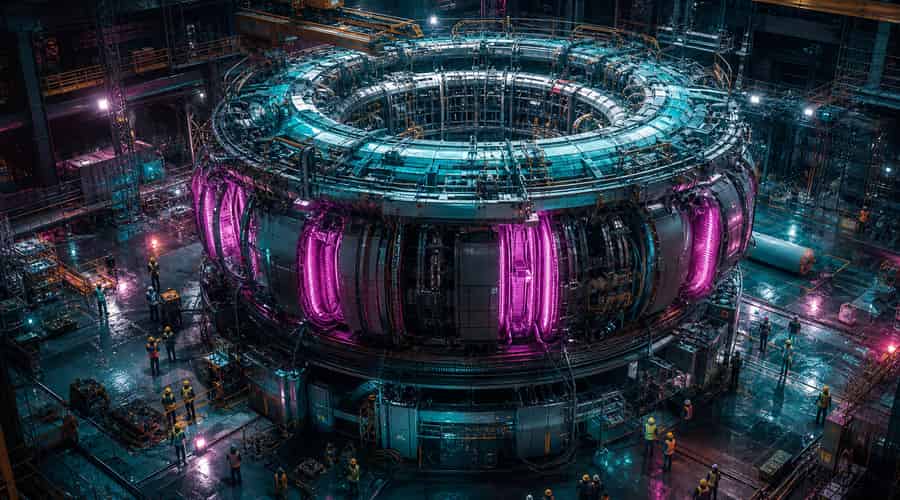
A viral prompt asking for a crossover screenshot between GTA 6 and Cyberpunk 2077 has ignited debate about whether AI image generation has finally crossed the photorealism threshold , and what that means for an industry built on visual authenticity.
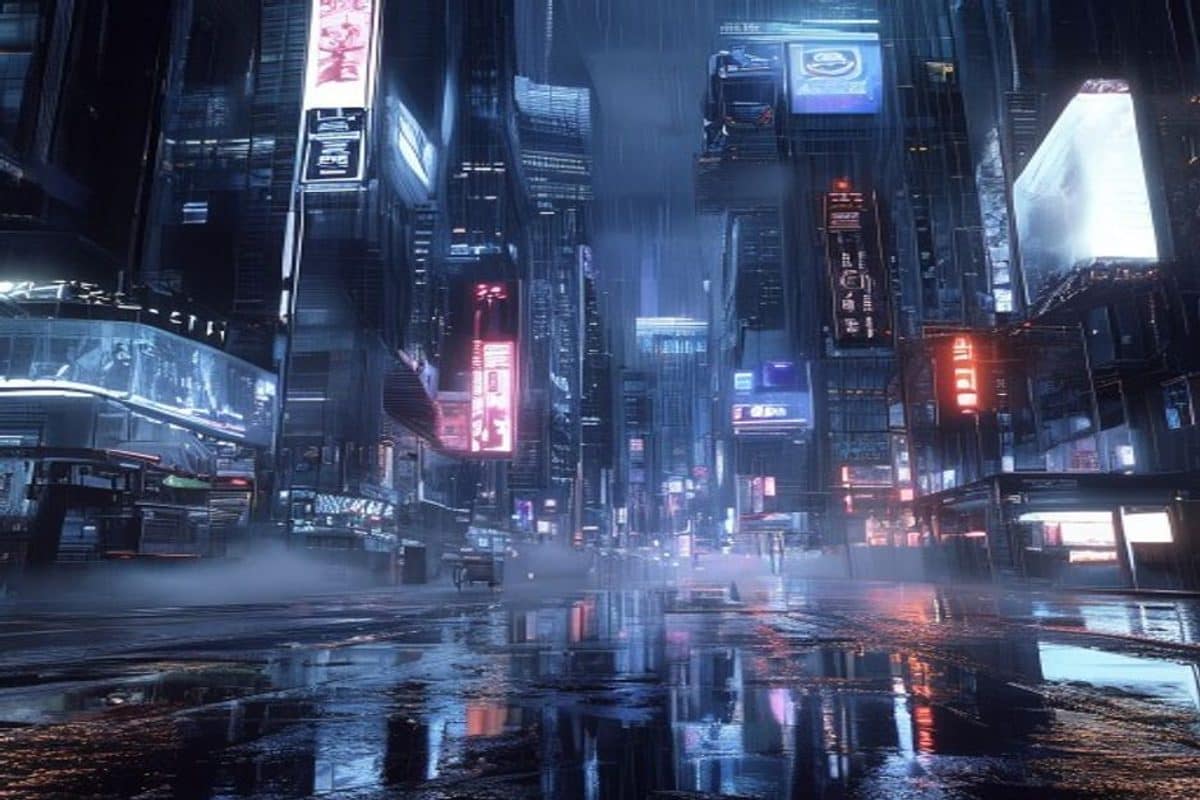
Something shifted this week. A post circulating on Reddit and X stopped people mid-scroll , not because of what it claimed, but because of what they were looking at. A screenshot of a game that doesn't exist: the neon-soaked, rain-slicked streets of Night City rendered with the high-fidelity character detail and cinematic lighting that Rockstar has been promising GTA 6 will deliver. The image was generated by what users are calling GPT Image 2, an apparent new iteration of OpenAI's image generation technology, and the reaction was less "impressive AI art" and more "wait, is this real footage?"
OpenAI has not made any official announcement about a GPT Image 2 as of April 23, 2026. That silence hasn't slowed the conversation down. The images being shared don't look like DALL-E outputs with their occasional texture glitches and slightly-off proportions. They look like engine-rendered footage , the kind you'd see in a developer showcase. If the claims hold up under scrutiny, the model appears to have internalized the distinct visual grammar of two separate franchises and merged them coherently: CD Projekt Red's layered neon architecture and volumetric fog, blended with Rockstar's grounded character fidelity and naturalistic lighting behavior.
The GTA 6 and Cyberpunk 2077 crossover prompt is a clever stress test, whether intentional or not. Both titles represent the outer edge of what audiences associate with "next-gen" visuals. Getting one right would be notable. Synthesizing both , maintaining internal consistency in lighting physics, material rendering, and aesthetic coherence across two very different visual languages , pushes into territory that has tripped up every major image model to date. Spatial coherence and complex scene composition have historically been where generative tools fall apart. Reflections behave wrongly, shadows contradict light sources, surfaces lose their material logic. If GPT Image 2 is genuinely clearing those hurdles, it isn't an incremental upgrade.
The competitive context matters here. Midjourney's recent versions improved dramatically on prompt adherence and artistic coherence, and Stable Diffusion's open-source ecosystem has produced some genuinely startling outputs. But cinematic, physics-aware photorealism at the level of a polished game engine demo has remained out of reach for all of them. The claim being made , implicitly, through the images themselves , is that neural rendering has found a way to simulate what game studios spend years and hundreds of millions of dollars building through traditional pipelines.
The Industry Fallout Is Already Being Discussed
Concept artists and pre-visualization professionals are watching this closely, and the anxiety is understandable. Pre-vis work , the process of generating rough visual approximations of scenes before expensive production begins , is a significant line item in both film and game budgets. If a model can produce photorealistic scene mockups from a text description in seconds, the commercial logic of that pipeline changes fast. That doesn't mean human artists disappear, but it does mean the entry-level work that feeds into senior roles gets automated away first, which is how these disruptions tend to propagate.
There's also a misinformation dimension that's harder to dismiss as hypothetical. Game studios have dealt with fake footage leaks before , grainy captures and obviously rendered concept art. A tool that can produce convincing "leaked screenshots" of unreleased titles on demand is a different problem category entirely. Rockstar in particular, given GTA 6's cultural weight, is likely paying attention.
What to watch: whether OpenAI confirms GPT Image 2 exists as a distinct model or whether this represents a quiet capability update pushed to existing infrastructure. The images themselves will get subjected to forensic analysis over the coming days , pixel-level examination, metadata checks, community stress-testing with follow-up prompts. If they hold up, the conversation stops being about one viral post and starts being about what generative AI can now reliably produce. That's the threshold worth monitoring, because once the industry accepts that a tool can fake next-gen game footage convincingly, the standards for visual trust change for everyone downstream.
Also read: The viral joke about thanking ChatGPT in 2050 is actually a serious warning about how we're building AI • Anthropic's AI security tool found 271 zero-day vulnerabilities in Firefox and the industry should pay close attention • GE Vernova raises its 2026 outlook as AI data centers send power equipment demand surging