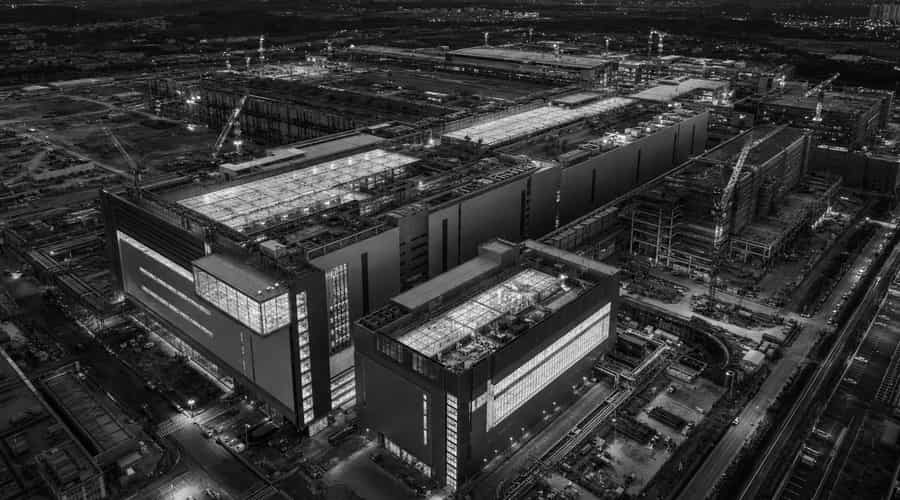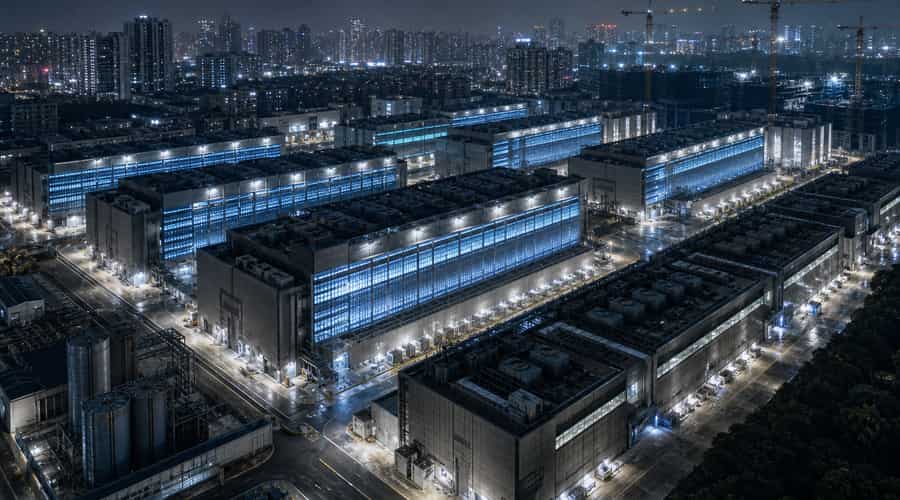
The residents of a small farm township in Michigan voted down plans for a massive OpenAI and Oracle data center campus, but construction began weeks later through a permitting mechanism that bypassed local opposition, offering one of the clearest illustrations yet that AI infrastructure is moving faster than municipal democracy was designed to accommodate.
The site is Bingham Township in Clinton County, Michigan, a community of a few thousand residents and farmland that found itself in the path of the Stargate infrastructure buildout, the joint venture between OpenAI, Oracle, SoftBank, and other partners that is pursuing roughly $500 billion in AI data center investment across the United States. Local residents raised concerns about water usage, power draw on the regional grid, traffic, and the transformation of agricultural land into industrial computing campus. When the township voted on a zoning change needed for the project, they rejected it. Then construction equipment arrived.
The mechanism that allowed work to proceed despite a failed local zoning vote involves a higher-level permitting override. Michigan, like many states, allows large-scale industrial or energy projects to receive state-level approval that supersedes local land use decisions when certain scale thresholds or economic criteria are met. Developers can apply directly to state authorities for construction permits that do not depend on township zoning approval. That is the route that appears to have been used in Bingham Township, and it is not a loophole so much as an intentional feature of how states manage large infrastructure. Power plants, pipelines, and large manufacturing facilities have long operated under similar frameworks because local opposition to individually beneficial but collectively necessary infrastructure, the classic NIMBY dynamic, would otherwise make it impossible to site major projects anywhere.
The data center context makes the friction more acute than it was for older industrial projects. A factory or warehouse has a relatively modest utility footprint. A hyperscale AI data center at the scale Stargate is building can draw hundreds of megawatts of power and millions of gallons of water for cooling. Those demands hit rural utilities and water systems that were never designed to absorb them, and they create visible, measurable changes to the local environment. Residents near Bingham Township who watched farm fields being graded and utility lines being installed despite their vote are not wrong to feel that their democratic input was discarded. The process was technically legal, but it was not designed with community trust as a priority.
For the AI infrastructure buildout, this conflict is not an isolated Michigan story. It is a preview of what will happen in every rural or suburban township that sits near reliable power, available land, and adequate fiber connectivity. Those are exactly the attributes that data center developers seek, and they are found in communities that were not built to absorb the kind of industrial-scale development that a 200-megawatt campus represents. The Stargate program alone needs dozens of such sites. If even a fraction of them generate the kind of local opposition that Bingham Township showed, the legal mechanisms to override that opposition will be tested in multiple states simultaneously, each with its own permitting frameworks, timelines, and political environments.
The cost implications are real. Even when state-level permits allow construction to proceed, local opposition can create delays through legal challenges, environmental reviews, and interlocutory injunctions that slow permitting in adjacent jurisdictions. A project that builds on schedule in one county may face a three-year delay in the next one, creating unpredictable delivery timelines for infrastructure that hyperscalers and AI labs need to hit their training and inference targets. Those delays translate into capital inefficiency, because data centers are being financed against expected utilisation timelines. If the site takes two years longer than planned to energise, the economics of the deal change. Insurance, financing, and lease structures all depend on predictable delivery.
There is an opening here for smaller infrastructure players who are willing to do the community relations work that large developers typically treat as a delay rather than a core competency. A developer who enters a community early, consults with local utilities before filing applications, structures economic benefit sharing, and commits to measurable environmental standards creates a very different political environment than one that files state permits and starts grading fields. The capital cost of that process is higher upfront, but it produces fewer surprises. For AI labs and cloud companies that need predictable delivery schedules on expensive training and inference capacity, a developer who can navigate local politics is worth a meaningful premium over one who cannot.
The Bingham Township situation is also a signal about the longer-term political economy of AI compute. If the infrastructure buildout proceeds by overriding local opposition repeatedly, it will generate a durable political backlash that eventually influences state-level permitting frameworks, utility regulation, and the federal oversight that governs grid connection for large loads. The communities being asked to host AI infrastructure are not asking for anything unreasonable. They want water protections, grid stability commitments, economic benefit, and meaningful participation in decisions that change their environment permanently. The AI industry's ability to answer those requests will determine whether the next thousand megawatts of AI compute get built on schedule or in a courtroom.
Also read: Brockman's testimony on Musk's OpenAI exit reveals the governance trap in mission-driven AI labs • Anthropic's dreaming agents introduce governed self-improvement as the next enterprise battleground • Genesis AI's full-stack robotics bet says the moat is not the model, it's owning everything around it