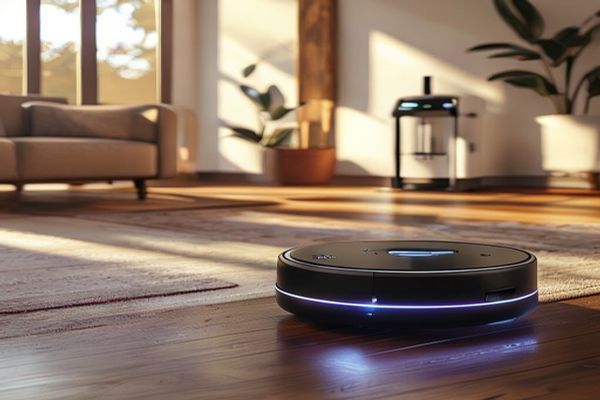
Amazon is selling the Shark AV2501S AI robot vacuum for $269.99, a 51% drop that signals just how aggressively consumer robotics brands are fighting for market share.
Shark's AV2501S AI robot vacuum just dropped to $269.99 on Amazon, down from $549.99. That is a $280 discount, or roughly 51% off the original retail price, on a device that uses LiDAR mapping and matrix-pattern cleaning navigation. The deal reflects a broader pricing trend across the robot vacuum category, where competition from iRobot, Roborock, Ecovacs, and a wave of lower-cost Chinese manufacturers has pushed premium features into sub-$300 territory.
What makes this particular model noteworthy at this price point is the sensor suite. The AV2501S relies on 360-degree LiDAR, the same laser-based ranging technology used in autonomous vehicles, to build a real-time map of your home. It cleans in a precise grid pattern rather than bouncing randomly off walls, which was the standard for earlier generation robot vacuums five years ago. The device also handles its own dirt disposal, storing up to 30 days of debris in a base station that uses HEPA filtration to trap fine particles and allergens before they recirculate into the air.
For pet owners, the self-cleaning brushroll is a practical addition. It pulls hair off the bristle mechanism automatically, which means less manual maintenance and fewer tangled clogs. The battery runs for up to 120 minutes on a single charge before the vacuum autonomously returns to its dock.
Robot vacuum prices have been falling steadily for the past two years. According to data cited by Statista, the average selling price of robotic vacuums in North America dropped from roughly $380 in 2021 to under $300 in late 2024. Supply chain normalization after the pandemic played a role, but the bigger factor is intensified competition. iRobot, which has long dominated the category, has faced financial headwinds after a planned $1.7 billion acquisition by Amazon was scrapped in early 2024 following regulatory scrutiny in the European Union and the United States. That deal collapse left iRobot in a weakened strategic position, opening the door for brands like Shark, Roborock, and Dreame to capture shelf space and consumer attention with aggressive pricing.
Shark, owned by Hong Kong-based JS Group, has positioned itself as the value-oriented alternative to premium models from Roborock and Ecovacs, which often retail between $600 and $1,500. By packing LiDAR navigation, self-emptying docks, and AI-driven cleaning patterns into a device that now sells below $280 on discount, Shark is clearly aiming to pull buyers away from both the budget tier and the mid-range.
Why AI Navigation Matters More Than Marketing Suggests
The term "AI" gets applied liberally in consumer electronics, but in the context of robot vacuums it does carry tangible meaning. Devices in this generation use machine learning algorithms to improve obstacle avoidance over time, recognizing objects like shoes, cords, and pet waste with increasing accuracy. The Shark AV2501S uses its LiDAR data combined with onboard sensors to adjust its cleaning path dynamically, making multiple passes over high-traffic zones rather than treating every square foot of floor equally.
This is a meaningful upgrade from the random-bounce navigation that defined the category a decade ago, and it is the reason robot vacuums have finally reached a point where they can genuinely replace manual vacuuming for daily maintenance in most households.
As Mashable's deals team highlighted, this discount is live at Amazon as of April 8 and availability may shift quickly given the price point and brand recognition.
The practical takeaway here is straightforward. If you have been waiting for robot vacuum technology to mature and prices to drop, this deal sits right at the intersection of both trends. Features that cost $800 two years ago are available for less than a third of that figure. Whether this pricing pressure is sustainable for manufacturers is a separate question entirely, but for consumers the current moment represents one of the best buying windows in recent memory for AI-powered home cleaning devices.