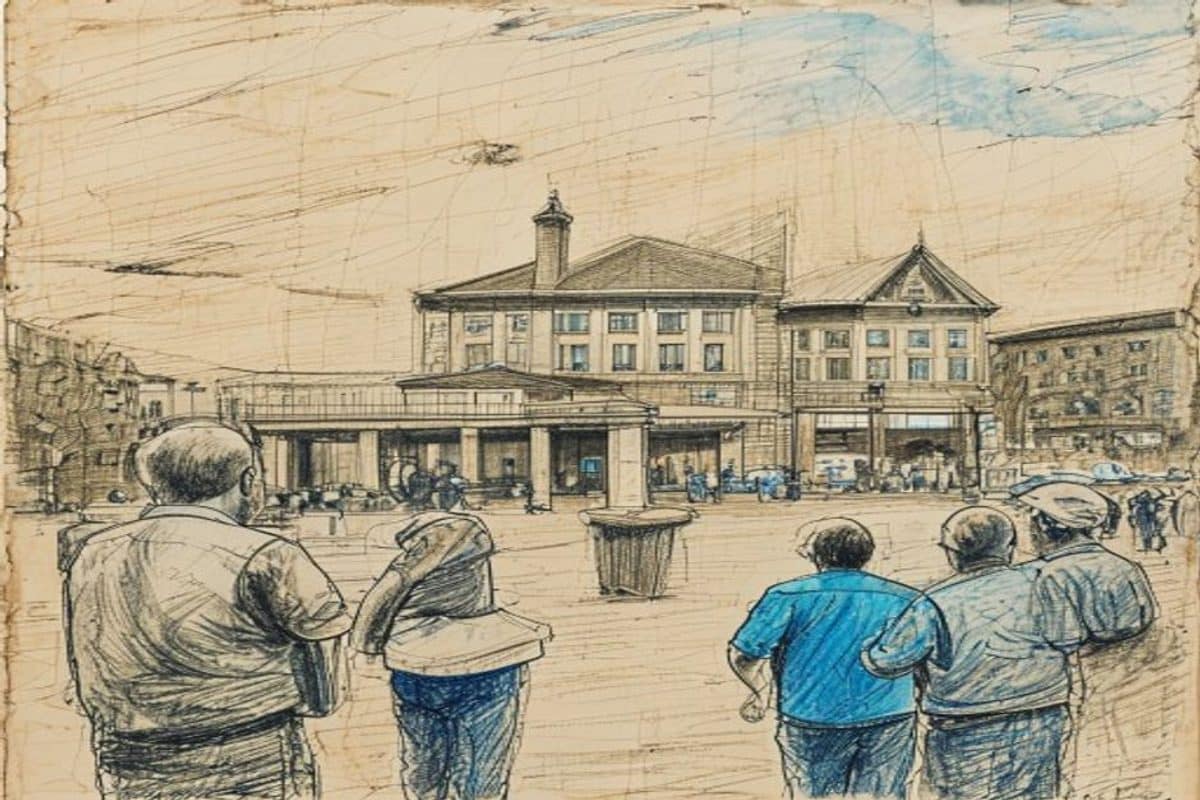
Festus, Missouri has become a warning sign for the AI infrastructure boom: local voters are willing to punish officials who approve massive data center projects without bringing residents along first.
Festus, Missouri, a city of roughly 13,000 people south of St. Louis, just turned a data center fight into an election result. After the city moved ahead with a proposed $6 billion AI data center, voters ousted four incumbent council members in the April 2026 municipal elections and replaced them with candidates who campaigned against the project or against the way it was handled. For developers, that is the part worth watching. The politics of AI infrastructure are no longer theoretical.
The backlash centered on process as much as the project itself. Residents argued that negotiations moved too quietly, that key details arrived too late, and that public concern was treated as an obstacle rather than a signal. According to recent reporting from The Wall Street Journal and local Missouri outlets, turnout jumped sharply from the prior April election, and challengers won by wide margins. Rick Belleville, a 70-year-old first-time candidate, defeated longtime Ward 4 incumbent Jim Tinnin after making transparency a central issue. Staci Templeton, one of the council members who opposed the development agreement, resigned after the election.
The fight did not end with the vote. Residents have pursued recall petitions aimed at remaining officials, including Mayor Sam Richards, while opponents have also pushed for legal and procedural challenges. Voter Mary Fakes summed up the frustration plainly: many residents wanted a referendum on the data center before the April election, not a chance to react after decisions had already been made. That is why the Festus story matters beyond one Missouri town. When people feel a project has been handed to them as a finished deal, even promised tax revenue can become a liability.
Festus is part of a wider pattern. Tom's Hardware, citing market intelligence from Sightline Climate and Bloomberg, reported that a large share of planned U.S. data center capacity for 2026 faces delays or cancellations because of power access, electrical equipment shortages, and community resistance. Project Censored, drawing on Data Center Watch research, noted that opposition groups were active across 17 states in the second quarter of 2025, targeting 30 projects, with 66% of tracked protested projects blocked or delayed. Those numbers show a simple reality: AI may move quickly in software, but the buildings that run it still need land, water, electricity, permits, and trust.
The common thread is not just opposition to technology. It is opposition to being excluded. In Sand Springs, Oklahoma, residents protested after officials annexed hundreds of acres tied to a secretive technology development. In Saline Township, Michigan, protesters challenged a proposed $7 billion Stargate data center project and demanded more transparency around its impact. Similar fights have surfaced in New Brunswick, New Jersey, Prince George's County, Maryland, and Tulsa, where officials moved toward pauses or moratoriums as public pressure grew.
State politics are starting to respond as well. In Texas, Republican lawmakers advanced calls to slow new data center construction until water and power safeguards are addressed, with Governor Greg Abbott backing the need for tighter scrutiny. St. Charles, Missouri has taken a harder line with restrictions of its own. These are not fringe reactions. They are signs that data centers have become visible local infrastructure, not invisible cloud machinery. Residents see the power substations, hear the noise concerns, ask who pays for grid upgrades, and wonder whether a handful of permanent jobs justifies a generational land-use decision.
AI Infrastructure Reality
The AI industry has spent the past two years talking about chips, models, and capital expenditure. Those are still decisive, but they are no longer the whole story. A company can secure Nvidia GPUs, raise billions, and sign a development agreement, then still run into a transformer shortage, an overloaded utility, a zoning fight, or a room full of residents who do not believe the numbers. High-power transformers can take years to procure, while AI companies want capacity online much faster. That gap is now one of the most important constraints in the market.
Site selection is therefore becoming political work as much as engineering work. Developers need to know whether a city can supply power, whether water demand will trigger objections, whether tax abatements will survive public scrutiny, and whether elected officials can defend the process in daylight. The old playbook of negotiating quietly with city hall and unveiling a polished economic development package is starting to look fragile. A project can be technically feasible and still fail because the community does not accept the bargain.
Startup Lessons
For startups and infrastructure companies building around AI, Festus offers a blunt lesson: platform growth depends on physical consent. The industry often talks as if compute is a procurement problem, but compute also has neighbors. If a business model depends on rapid data center expansion, community relations cannot be treated as a late-stage permitting task. It has to be part of the first phase, alongside power planning, financing, and land acquisition.
The better response is not a thicker benefits memo after opposition forms. It is earlier disclosure, clearer tradeoffs, and a real stake for residents in the outcome. Communities want to know how much electricity a project will use, whether utility bills could rise, how noise and water use will be managed, how many long-term jobs will remain after construction, and what happens if the developer sells the site or changes plans. Answering those questions upfront will not guarantee approval, but avoiding them almost guarantees mistrust.
Festus is now a signal to every AI developer chasing the next large site. The political force reshaping data center approvals is not anti-technology in any simple sense. It is pro-accountability, and it is learning quickly from town to town. The companies that understand that will move with fewer surprises. The ones that treat local consent as a box to check may find that the most expensive part of the AI buildout is not the chip order, but the election that follows.
Also read: Google's 2026 sideloading lockdown forces every developer to register or disappear • Neurable licenses BCI tech for headphones and wearables to scale cognitive tracking • Otter's enterprise search turns meeting notes into cross-tool knowledge base