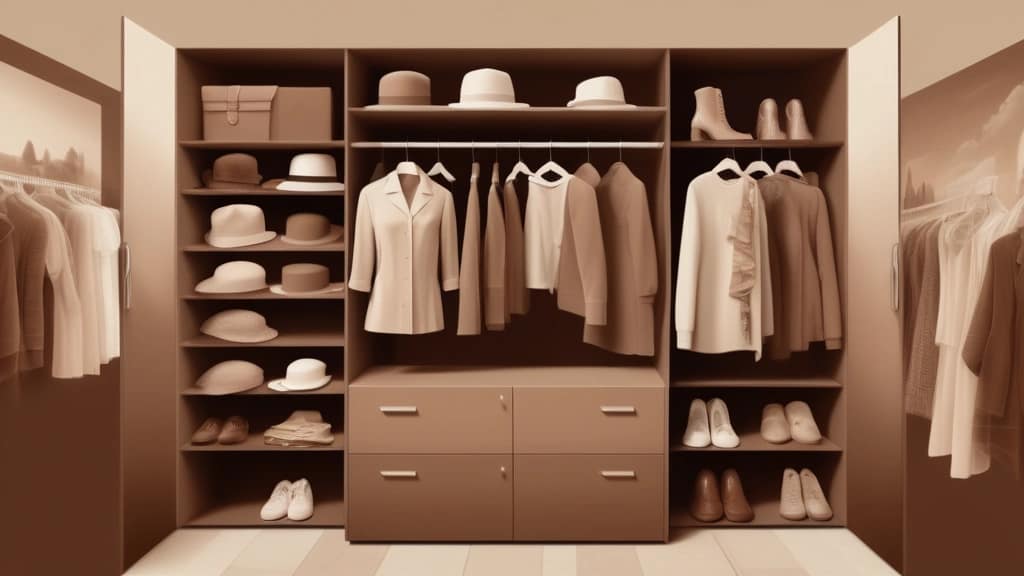
Google Photos' new AI wardrobe feature shows the company moving visual AI out of search and into private memory, where your old pictures become data for shopping, styling and ad targeting.
Google has spent years teaching people to ask its products what they are looking at. Now it wants to ask Photos what people were wearing when they took the picture. TechCrunch reported today that Google Photos is testing a new AI wardrobe feature that can scan your photo library, identify outfits and organize them into a digital closet. That may sound like a neat consumer utility, but the strategic move is bigger than convenience. Google is turning a storage app into a personal commerce interface, one that can sit on top of a user's visual history and translate it into shopping behavior.
That shift matters because Photos is not a public discovery product. It is a private archive. People store family trips, casual outfits, celebrations, mirror selfies and half-forgotten screenshots in it without thinking of those images as shopping data. Google is thinking of them that way. Once the app can recognize clothing items, surface outfit histories and let users remix looks or virtually try on pieces, the boundary between memory and commerce gets thinner. The same library that helps you remember your life can also help Google predict what you might buy next.
This is a meaningful evolution in Google's AI strategy. For years, the company's visual tools lived mostly inside search, shopping and image results. Google Lens could identify objects. Google Shopping could support virtual try-on. TechCrunch reported earlier that Google had already expanded its AI try-on feature, and later updated it so shoppers could use just a selfie for digital try-ons. The Photos wardrobe feature takes that logic somewhere more intimate. Instead of waiting for a user to search for a jacket, Google can build a catalog from the pictures they already own.
That changes the data input. Search tells you what someone wants right now. A photo library tells you what someone has actually worn, kept, repeated and shared. That is a much richer signal. It is also more revealing. A wardrobe made from private images can show color preferences, silhouette habits, social occasions and even how a person changes style over time. For Google, that is not just useful for user experience. It is valuable product intelligence. It improves recommendations, makes ad targeting more contextual and creates a path from memory to merchant inventory without the user ever leaving Photos.
The logic is simple enough. If Google can identify the dress in a wedding picture, the coat in a winter shot or the sneakers in a weekend selfie, it can start organizing a person's style history around the actual items they wear. From there, it can suggest alternatives, show similar products, and possibly help users build new outfits from the same archive. That is not merely a nicer gallery. It is a commerce layer built from personal history.
Why Wardrobe AI Matters
The consumer appeal is obvious. People forget what they bought, where they bought it, and what worked for them. A wardrobe feature promises to reduce that friction. It gives users a way to search their own style memory without manually tagging every photo. It also gives them a more visual route into shopping, which matters because fashion decisions are rarely rational in the spreadsheet sense. They are contextual, emotional and repetitive. If an AI can remind you that you wore something three times and always felt good in it, that is a useful nudge.
But the real opportunity is that this kind of feature can make Google Photos behave less like backup software and more like a shopping assistant disguised as a memory service. That is a powerful position. Google does not need to invent the fashion market. It only needs to sit where people already keep their life photos and convert that archive into actionable style data. Once that happens, the app can surface new garments, suggest pairings and potentially route the user toward checkout with a better sense of fit than a generic recommendation feed.
This is also a competitive move. Meta has long treated social images as commerce surfaces. Amazon has experimented with visual search. Apple is pushing the camera as an AI interface. Google is now saying that private photo libraries themselves are valuable shopping infrastructure. That is a distinct lane, and it could prove more durable than a surface-level feature because it ties into memory, not just browsing. People may forget a search query. They do not forget their own photos.
The Privacy Question
Of course, the more personal the data source, the sharper the privacy concerns. A wardrobe built from photos can reveal far more than a feed of liked products. It can infer body size, style preferences, social context and the kinds of clothes a user keeps returning to. Google will likely frame the feature as a convenience tool, and there is no doubt that it will be useful for some people. But consumers will also recognize that convenience and data collection are intertwined here. The more the system understands your wardrobe, the more likely it is to influence what appears next in your feed.
That tension is not unique to Google, but it is especially relevant because the company is using one of the most sensitive digital archives many people have. Google Photos is where users keep personal histories, not just product research. If the wardrobe feature becomes widely available, Google will need to make the value proposition feel clear enough that the utility outweighs the unease. The feature has to help people rediscover their style, not make them feel like their closet has been quietly turned into a monetization engine.
That balance will determine whether this becomes a beloved tool or another reminder that every consumer AI breakthrough also creates a new data dependency. Google clearly believes the upside is worth the risk. Photos already holds an enormous amount of visual memory, and visual memory is exactly what AI systems need to get better at recommendation. If the company can turn that archive into something that saves time, improves shopping and feels personal rather than creepy, it may have found a much stronger use case than simple photo storage.
What Comes Next
The larger story here is that visual AI is escaping the search bar. It is moving into the places where people keep their lives, their receipts, their outfits and their histories. Google Photos is a natural place to start because it already sits at the intersection of memory and metadata. Once the wardrobe feature matures, the next step could be stronger outfit search, smarter cross-linking with Shopping, and more precise style recommendations based on actual user behavior instead of generic fashion trends.
That is what makes the update worth watching. Google is not just adding a cute feature that helps people remember what they wore. It is building a new kind of consumer interface where private images become commerce signals. If it works, Photos stops being a vault. It becomes a personal retail layer, one that knows enough about your life to suggest what you might want before you start looking for it.
Also read: The iPhone camera is becoming Apple's most important AI product • Blackstone is building an AI machine, not just buying AI exposure • IBM's Chicago plan shows AI and quantum are becoming a local jobs strategy