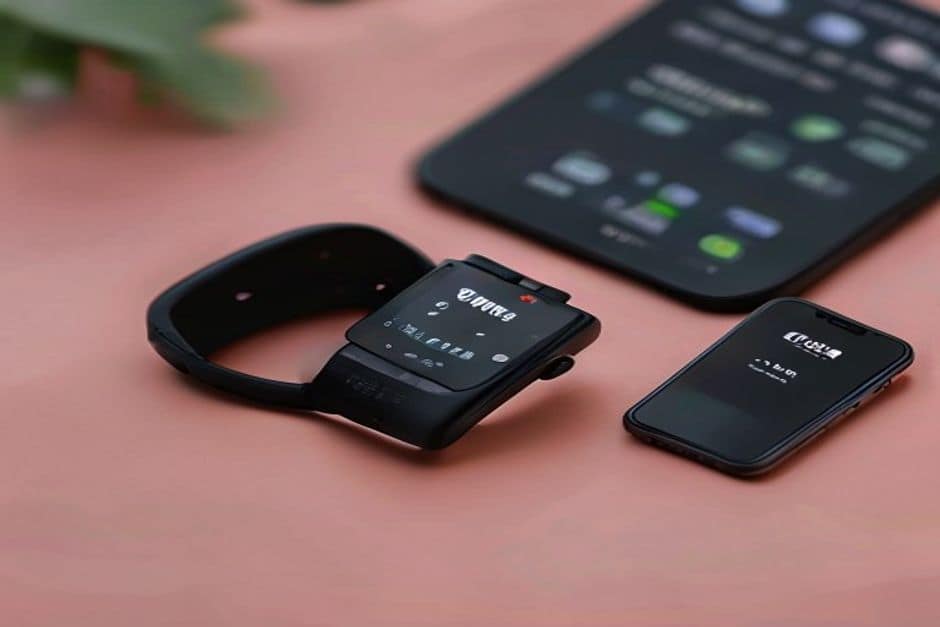
Google has launched the $100 screenless Fitbit Air, a direct competitor to Whoop's fitness band that prioritises continuous strain, recovery, and sleep tracking over displays or notifications, bundling three months of Google Health Premium access for AI-powered personal health coaching while avoiding Whoop's mandatory $30 monthly subscription.
The Fitbit Air lands at a price point that disrupts the premium wearable market. Whoop 5.0 retails for $349 upfront or $239 annually with the membership required for full functionality. The Air is $99.99 with three band options at $34.99 each and a Steph Curry Special Edition at $129.99. Battery life reaches seven days with five-minute fast charging for a full day. Sensors include heart rate, SpO2, accelerometer, gyroscope, and temperature. No GPS or display means the focus is passive tracking: readiness scores, cardio load, sleep stages, and stress management. Pre-orders start today with shipping May 26.
The rebranded Google Health app is the real product. Fitbit Premium becomes Google Health Premium with the AI Personal Health Coach powered by Gemini. The coach ingests data from Air, Pixel Watches, and third-party scales via Health Connect to generate adaptive plans for movement, sleep, and recovery. Users onboard with a five-minute chat about goals and constraints. The system revises plans daily using heart rate variability, sleep quality, and activity trends. An "Ask Coach" prompt handles spontaneous questions like hotel room workouts or resting heart rate spikes. Context persists across sessions, creating a conversational experience that feels like a human trainer.
Google's strategy flips Whoop's economics. Whoop locks advanced metrics behind membership, with hardware as a loss leader. The Air sells hardware upfront and uses Premium as an upsell, with three free months to hook users on AI insights. Premium offers cycle tracking, mental wellbeing scores, and resilience metrics. The coach redirects medical questions to professionals, prioritising safety. Integration with Google ecosystem gives Fitbit data from Android phones, Nest devices, and YouTube fitness content, creating a moat Whoop cannot match.
For SF readers, the launch shows big tech entering a category startups defined. Whoop created the screenless recovery tracker with $400 million ARR and 2.5 million subscribers. Oura Ring built a $2.5 billion valuation on sleep and readiness scores. Levels, Whoop, and Eight Sleep pioneered continuous health data and personalised recommendations. Startups helped prove the market. Now Google uses Fitbit's 40 million user base and Gemini's AI to commoditise the insights at $100 hardware plus optional subscription.
AI makes low-cost wearable hardware more valuable by shifting differentiation to software. The Air's sensors are standard. The value is Gemini generating plans from data that explain why your VO2 max improved or sleep score dropped. Whoop's $30 monthly buys similar insights. Google's free trial tests whether users value the AI enough to pay $9.99 monthly for Premium. If conversion rates exceed 20 percent, the economics beat Whoop's model because hardware margins cover acquisition costs. The risk is churn: users who try AI coaching and find it generic return to free step trackers.
Google's price pressure threatens venture-backed health wearables. Startups with $200 to $500 hardware and $20 to $30 subscriptions face a $100 alternative from a trusted brand with superior distribution. Oura's $299 ring and $5.99 monthly compete on design and sleep accuracy. Whoop's athlete focus and community differentiate it. But narrow hardware moats erode when AI commoditises insights. Startups must pivot to B2B wellness platforms, enterprise health programs, or vertical applications like women's health or longevity where data networks create defensibility.
Spotify's podcast and audiobook expansions offer a template. Spotify used distribution to define categories, locking in creators through exclusives and premium tiers. Google uses Fitbit's user base to define AI health coaching, pulling data from third-party devices while owning the insights layer. Startups gain reach through Google Health Connect but lose control over recommendations and monetisation. The platform wins the relationship. The winners are the ones that build on top of Google's data layer with specialised applications that the generalist coach cannot match.
Also read: AMD's MI350P PCIe card makes CDNA 4 acceleration accessible beyond hyperscaler racks • Spotify wants to own AI-generated personal audio before anyone else defines the category • Ryan Cohen listed socks on eBay to fund a $56 billion eBay bid, and eBay banned his account