Peace talks over Iran's nuclear program have collapsed, Tehran is threatening retaliation against a U.S.-led naval blockade of the Strait of Hormuz, and the economic fallout is already spreading far beyond the Middle East.
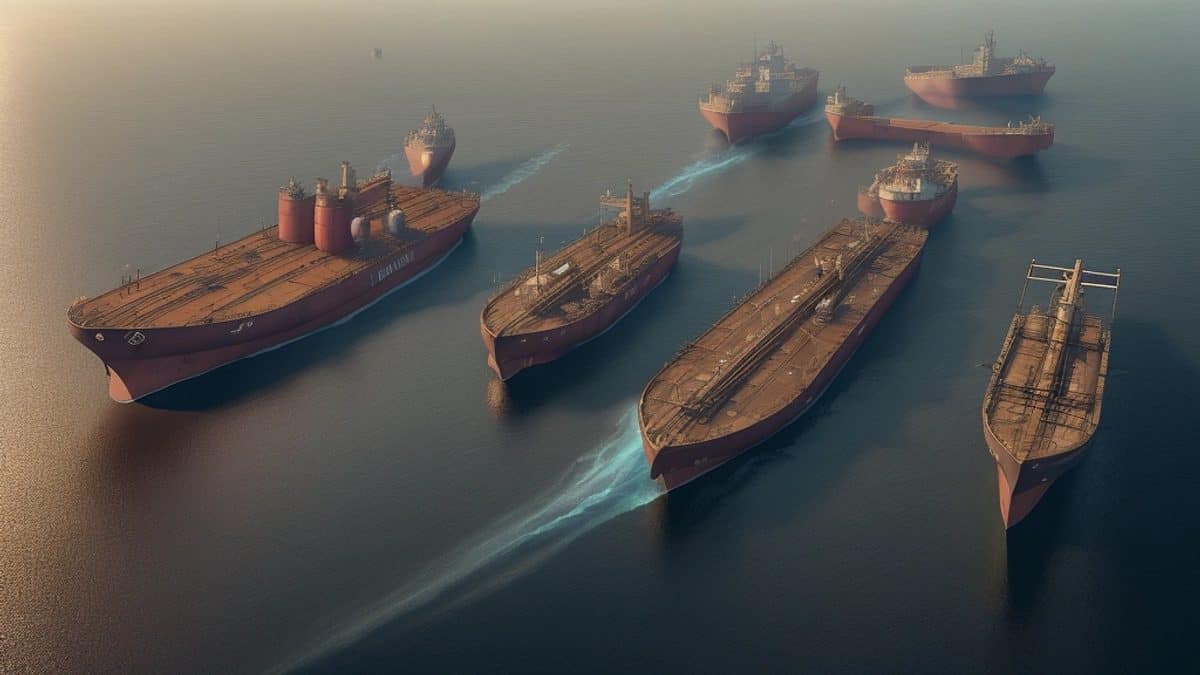
The breakdown is not a surprise to anyone who has watched two decades of failed diplomacy grind forward on Iran's nuclear ambitions. What is new is the military posture: the U.S. has moved to restrict shipping through the Strait of Hormuz, the narrow chokepoint through which roughly a fifth of the world's traded oil flows every day. Iran has made clear it considers that an act of war. The question now is not whether there will be economic damage, but how deep and how permanent it will be.
Oil prices have surged to levels not seen since the acute phase of the post-pandemic supply shock. The Strait of Hormuz is not simply a shipping lane; it is the circulatory system of global energy. Saudi Arabia, the UAE, Kuwait, and Iraq all route the overwhelming majority of their crude exports through it. A prolonged closure, or even the credible threat of one, forces buyers to price in worst-case scenarios, and that premium feeds directly into inflation figures that central banks spent the better part of three years trying to suppress.
Energy dominates the headlines, but the disruption runs deeper than oil. Fertilizer production is heavily energy-dependent, and several major producing nations in the region export through the same corridor. Agricultural analysts are already flagging a compounding risk: higher input costs for farmers, just as shipping costs spike and grain-dependent nations in Africa and South Asia are still recovering from the supply dislocations that followed Russia's invasion of Ukraine. A crisis that started as a geopolitical standoff is quietly becoming a food security problem for some of the world's most vulnerable economies.
For China, the calculus is particularly uncomfortable. Beijing imports a substantial share of its crude from Gulf producers, and the blockade puts it in the position of watching a key energy artery come under the control of a U.S. military posture it has spent years trying to counterbalance diplomatically. There is little China can do operationally in the short term, but the episode will accelerate the push to diversify both energy sources and payment systems away from dollar-denominated channels.
What markets are telling us that politicians are not
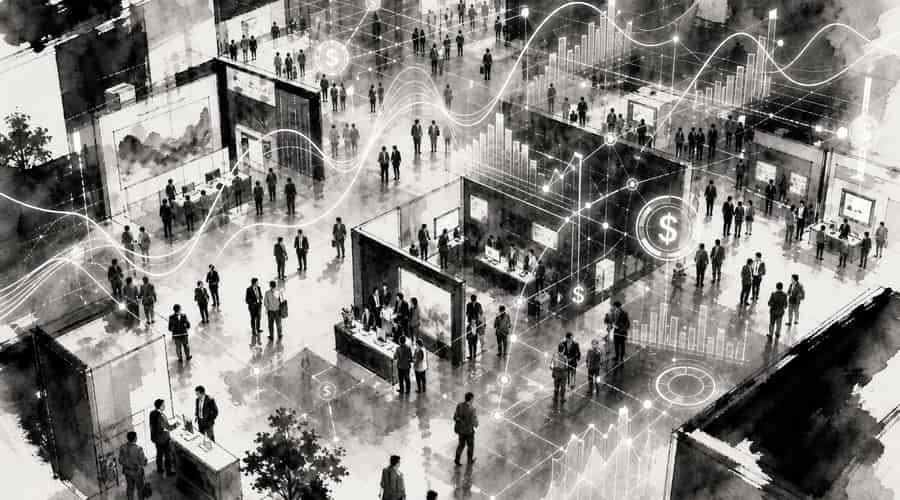
The warning signs in financial markets have been accumulating for weeks. Currency volatility in emerging markets with high energy import bills has climbed sharply. Sovereign credit spreads for several oil-importing economies in Asia and sub-Saharan Africa have widened. Shipping insurance premiums through the Gulf have spiked to war-risk levels. Individually, each of these signals is manageable. Together, they sketch a picture of a global economy that entered 2026 already stressed by tariff uncertainty and stubborn inflation, now absorbing a new and potentially sustained shock from a conflict with no obvious diplomatic off-ramp.
The Trump administration's posture has been to treat the naval blockade as leverage in a broader negotiation over Iran's nuclear program. The problem with leverage is that it works until it doesn't, and the margin for error in the Strait of Hormuz is narrow. A miscalculation at sea, an incident involving a tanker, or a Iranian strike on Gulf infrastructure could escalate faster than any diplomatic channel could respond. Experts have been unusually blunt in calling the current moment more dangerous and unpredictable than any point since the 2019 Abqaiq attacks on Saudi oil facilities.
What to watch in the coming weeks: whether Iran moves from rhetoric to action in the strait, whether Gulf producers attempt to broker a de-escalation framework, and whether the Federal Reserve and other major central banks signal any shift in their rate calculus in response to an energy-driven inflation resurgence. The global economy has shown remarkable resilience over the past few years, but resilience is not the same as immunity. A sustained blockade that keeps oil above current levels for another quarter would land in an economy that has very little cushion left to absorb it.