Iran is adopting Ukraine-warfare tactics and refusing negotiations while under US naval blockade, setting the stage for a prolonged conflict with direct implications for energy markets and crypto assets.
Tehran has officially shut the door on diplomatic off-ramps. Following the collapse of intense nuclear negotiations in late February and failed peace summits in Pakistan as recently as April 19, Iranian state media declared the country "rejects new peace talks." The refusal stems from a straightforward calculation: why negotiate when an economic stranglehold remains in place? The US naval blockade of the Strait of Hormuz, initiated on April 12, continues to intercept commercial shipping, and Tehran views this as an act of economic warfare that must end before any discussions about nuclear concessions can begin.
The Trump administration maintains a firm line, insisting that Iran suspend its nuclear activities for up to five years before any sanction relief or blockade removal is on the table. Treasury Secretary Scott Bessent acknowledged the economic "bit of pain" this causes but framed it as a worthwhile trade-off for long-term security. The problem is that pain alone rarely forces capitulation. What it does force is adaptation.
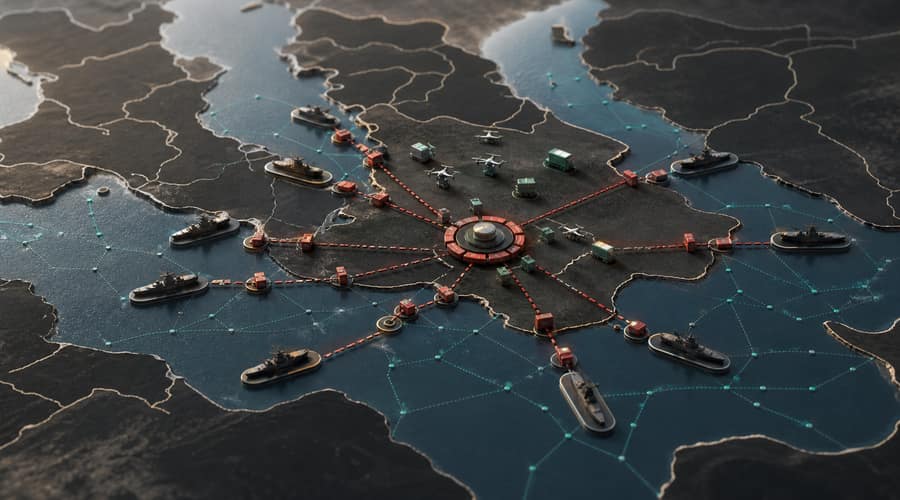
Iranian military planners are actively rewriting their defense doctrine, drawing heavily from the attrition campaigns observed in Ukraine. Intelligence reports confirm a strategic pivot away from direct force-on-force confrontation toward a model designed to exhaust a superior military power. The core idea is simple but effective: use time, terrain, and low-cost weapons to erode political will.
Moscow has shared specific drone tactics with Tehran, creating a direct knowledge transfer from the Ukraine conflict to the Persian Gulf. Iran is now expected to deploy mass-produced drone swarms targeting high-value US naval assets, mirroring the cost-exchange ratio tactics that have proven effective in the Black Sea. A $20,000 drone forcing a $2 million defensive response is a math that favors the attacker over time. Iranian leadership believes that inflicting steady, minor casualties on US forces will gradually chip away at domestic support for the conflict, especially as American gas prices remain elevated above $4.50 per gallon in many states.
What Stalemate Means for Markets
Oil markets have already priced in the tension. Crude surged past $103 a barrel on April 13 and has since hovered near the $100 mark. The blockade has effectively halted Iranian exports, which previously averaged 1.5 million barrels per day. China and India, both major consumers of Iranian crude, find themselves in an increasingly uncomfortable position, forced to seek alternative supply routes or quietly test the blockade's enforcement.
For cryptocurrency investors, this is where the story becomes directly relevant. Bitcoin has historically served as a hedge against geopolitical instability, and the current standoff is a textbook catalyst. When traditional energy markets face supply shocks, capital often flows into assets outside state control. As Forbes recently pointed out, Bitcoin's correlation with gold tends to strengthen during periods of sustained geopolitical uncertainty, and the Iran situation shows no signs of rapid resolution.
The human cost adds pressure on multiple fronts. Nearly 1,500 Iranian civilians have been killed in US and Israeli strikes since the escalation began. The US has reported 13 troops killed and over 380 wounded in direct operations. These numbers matter not just morally but politically: sustained casualties strengthen the hand of hawks on both sides while eroding the political space for compromise.
Watching the Next Move
The critical variable now is time. If the blockade does not force Tehran back to negotiations within weeks, the risk of a major military incident in the Strait of Hormuz rises significantly. Iran's asymmetric doctrine depends on provoking responses, and the US naval presence provides no shortage of targets. A single successful drone strike on a destroyer would represent a dramatic escalation, potentially triggering broader regional involvement from Israel, Saudi Arabia, and Gulf states.
Investors should watch three indicators closely: crude oil inventory reports from the EIA, any shift in Chinese or Indian diplomatic posture regarding the blockade, and Bitcoin's price action relative to gold. The stalemate is stable only in the sense that neither side has moved yet. Stability built on exhaustion is not the same as peace, and markets have a habit of pricing in that distinction faster than diplomats acknowledge it.