As conflict with Iran reshapes global trade and sanctions regimes, crypto markets are reflecting a deeper geopolitical shift: capital, influence, and digital asset infrastructure are quietly migrating away from the dollar-anchored West.
The war footing between the United States and Iran, which escalated sharply through late 2025 and into early 2026, was always going to be expensive. What few analysts predicted was how quickly the financial fallout would ripple through digital asset markets , and how unevenly the damage would land. Spoiler: the US is absorbing most of it.
China's yuan-denominated crypto corridors, long dismissed as a regulatory curiosity, are now moving serious volume. Beijing's quiet expansion of its digital yuan infrastructure into Central Asian and Middle Eastern trade routes has given it a practical payments rail that bypasses SWIFT entirely. Iranian oil , sanctioned, technically untouchable , is still moving, and digital assets are part of the plumbing. Chinese state-affiliated exchanges operating out of Hong Kong reported a 34% surge in OTC desk volumes in Q1 2026, much of it attributed to commodity-linked settlements in the Gulf and Caspian regions.
Russia's position is similarly strengthened, though more opportunistic than structural. Moscow has spent three years building its own crypto-tolerant financial architecture after Western sanctions hit following Ukraine, and that infrastructure is now battle-tested. Russian energy exporters are increasingly settling contracts in Bitcoin and stablecoin equivalents routed through non-Western exchanges. The ruble's stability relative to 2022 levels tells part of the story; the rest is in the blockchain data, where Russian wallet clusters have shown consistent accumulation patterns since the Iran conflict intensified in October 2025.
India deserves its own chapter here. New Delhi has walked a careful line , formally condemning hostilities while deepening energy import relationships with both Russia and, indirectly, Iran through third-party intermediaries. Indian crypto exchanges saw net inflows surge as the rupee benefited from commodity arbitrage opportunities unavailable to dollar-constrained peers. The Reserve Bank of India's gradual softening on crypto regulation, announced in February 2026, looks less like a policy evolution and more like a strategic hedge. India is positioning its digital asset sector as a neutral settlement layer in a fragmenting world , and it's working.
The US picture is grimmer. Brent crude's response to Iranian strait tensions pushed energy costs back above $95 a barrel in March, feeding an inflation print that rattled Fed projections. Bitcoin, which many hoped had decoupled from macro stress, dropped 18% between January and mid-March before partially recovering. More structurally damaging is the accelerating de-dollarization that the conflict has supercharged. Each new sanctions package the Treasury issues pushes more counterparties to ask the same question: what happens if we're next? The answer, increasingly, is to build exposure to non-dollar settlement rails now.
American crypto firms are caught in a policy vice. Stricter enforcement posture from FinCEN around Iran-adjacent transactions has created compliance costs that smaller exchanges simply cannot absorb. Several mid-tier platforms quietly restricted services in 14 jurisdictions in Q1 2026, ceding market share to competitors in Dubai, Singapore, and Mumbai who face no equivalent pressure. The irony is that US regulatory toughness, designed to enforce sanctions, is accelerating the very financial fragmentation that makes those sanctions less effective over time.
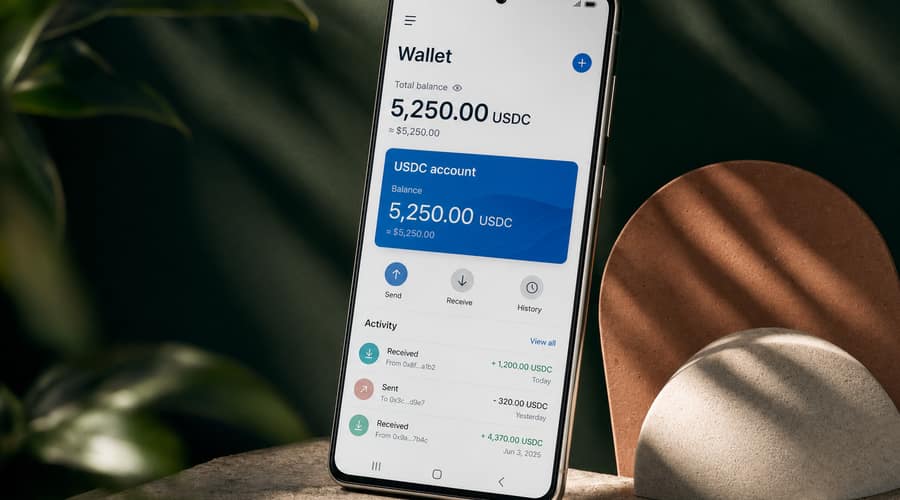
Stablecoins are where this plays out most visibly. USDT remains dominant by volume, but its dominance masks a compositional shift: more of that volume is running through non-US infrastructure, outside American legal reach. Tether's reserve disclosures have become a geopolitical document as much as a financial one. Meanwhile, the BIS has flagged that central bank digital currency corridors between China, Russia, India, and the Gulf states have processed more cross-border value in Q1 2026 than in all of 2024. That trajectory does not reverse easily.
What to watch next is the Gulf itself. Saudi Arabia and the UAE have both signaled openness to settling a portion of oil contracts in non-dollar digital assets , conversations that were theoretical two years ago and are now reportedly at a technical working-group stage. If even 5% of petrodollar flows shift to alternative rails over the next 18 months, the knock-on effect for Bitcoin, for stablecoin demand, and for US monetary influence would be material. The Iran conflict did not cause this shift, but it has compressed what might have been a decade-long drift into something that looks more like a sprint.