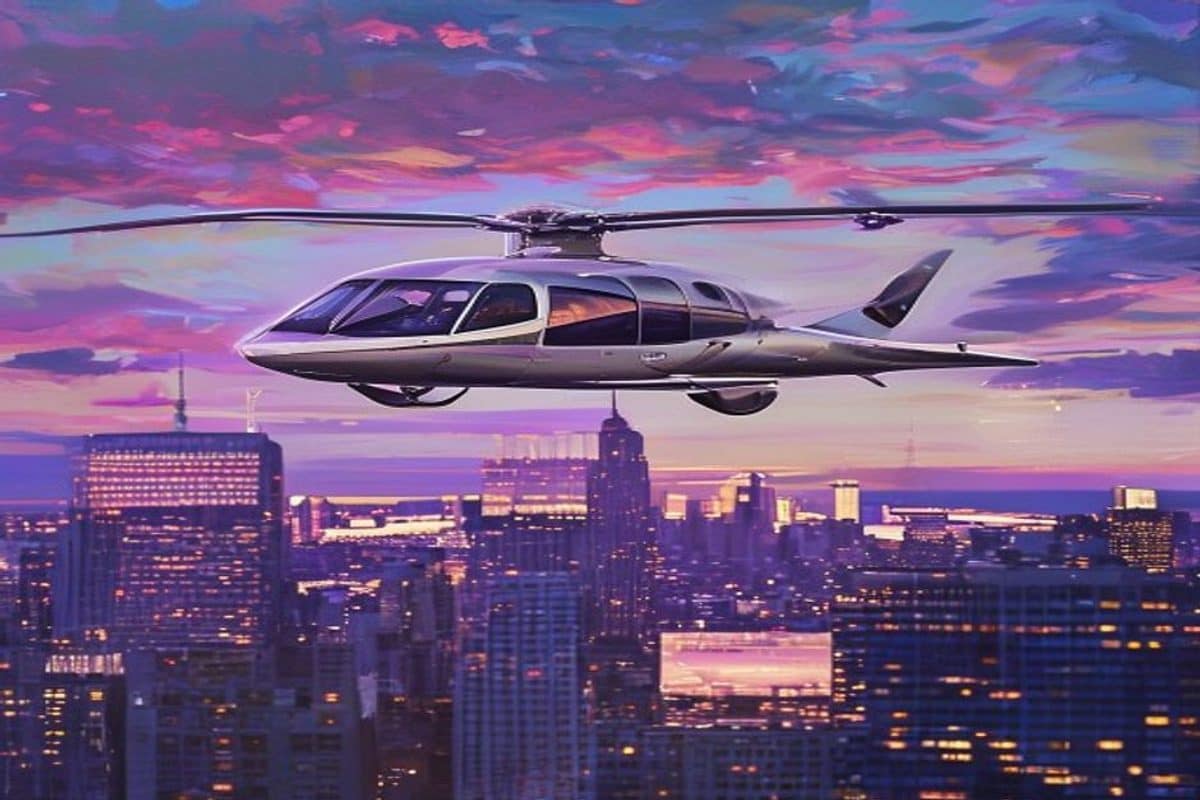
Joby completes a landmark JFK-Manhattan air taxi flight as FAA certification reaches its final stage, setting a 2026 commercial launch date with Delta and Toyota backing the bet.
Joby Aviation flew its electric air taxi between JFK Airport and the Downtown Manhattan Heliport, covering a route that takes drivers 50 to 75 minutes on the ground in approximately seven minutes by air. The flight lands at a pivotal moment: Joby's first FAA-conforming aircraft completed its inaugural test flight on March 11, 2026, kicking off Type Inspection Authorization testing, the final regulatory hurdle before commercial certification. The company also launched its 2026 Electric Skies Tour this spring, a national showcase deliberately timed to demonstrate operational readiness ahead of full revenue service.
For a company founded in 2009 that has spent over a decade and more than $2 billion getting to this point, the JFK demonstration carries weight beyond symbolism. Joby told Bloomberg in July 2025 that five aircraft would undergo TIA testing through 2026, building toward progressively scaled commercial operations. The White House selected Joby in March 2026 for early operations across ten US states under its Air Taxi Program, including collaboration with the Port Authority of New York and New Jersey on air taxi passenger operations at the Manhattan heliport. That government endorsement removes a meaningful layer of regulatory uncertainty that has spooked investors for years.
Joby's investor base is not passive capital. Delta Air Lines has committed up to $200 million in equity tied to milestone delivery, partnering to operate airport shuttle services that integrate with Delta's ground and air network. The vision is seamless: book a Delta flight, use Uber to reach a vertiport, Joby to JFK in seven minutes, then board. Toyota has invested $894 million and supplies powertrain and actuation components for production aircraft, embedding manufacturing discipline that pure aerospace startups typically lack. Those relationships matter because they provide distribution, not just money.
Yahoo Finance reported in April 2026 that Joby's acquisition of Blade Air Mobility's passenger business gives it immediate access to existing vertiport infrastructure and a customer base already accustomed to paying premium prices for helicopter-adjacent services. That acquisition compresses the go-to-market timeline significantly. Rather than building demand from scratch, Joby inherits route familiarity, particularly on the JFK-Manhattan corridor where Blade operated helicopters for years.
Racing Against Archer and a Graveyard of Rivals
The eVTOL sector has absorbed billions in capital while delivering very little revenue. Lilium declared insolvency in 2024 before a successor entity reorganized. Wisk, Overair, and others folded or pivoted. Archer Aviation raised $1.5 billion from United Airlines and is targeting Abu Dhabi operations before Joby launches commercially in Dubai in early 2026. Both companies acknowledge the UAE as the first revenue-generating market, with the US to follow once FAA type certification completes.
Archer has moved fast in a smaller aircraft category, and its United partnership gives it airline-scale distribution comparable to Joby's Delta deal. But Joby carries a structural advantage in the New York market specifically: exclusive vertiport agreements, a White House-backed operations program covering the Port Authority network, and an aircraft designed for the 150-mile range that makes multi-stop Northeast corridor routes feasible, not just short hops.
The Certification Clock and Investor Confidence
Commercial launch timelines in eVTOL have slipped industry-wide, often by years. Joby originally targeted 2024, then 2025, now 2026. Each delay erodes credibility even when the engineering progress is genuine. The March conforming aircraft flight and active TIA testing change that calculus because they represent FAA-governed milestones, not company-controlled demonstrations. Bloomberg noted Joby CEO JoeBen Bevirt expects the certification process to continue building through the year, with commercial service following shortly after type certification is granted.
For institutional investors, the $2 billion already deployed needs a revenue event before patience runs out. The JFK-Manhattan demonstration provides that narrative anchor. A seven-minute flight on a congested corridor that costs commuters an hour by car sells itself on convenience alone. Pricing remains unconfirmed publicly, but BNEF analysis from 2024 suggested Joby could price competitively with luxury ride-shares at launch, undercutting the helicopter rates Blade charged.
Urban air mobility will not replace ground transit overnight, but the route economics on premium corridors like JFK-Manhattan are genuinely compelling. Watch FAA type certification timing as the single variable that controls everything else. When that comes through, Joby's network infrastructure, airline partnerships, and government relationships convert from promise into revenue. The flight has happened. The paperwork is what remains.
Also read: Ted Lieu's AI bill cracks down on deepfakes and shields whistleblowers • Microsoft drops OpenAI exclusivity and ends revenue share in landmark deal restructure • Cursor's Claude agent wipes production database and backups in 9 seconds