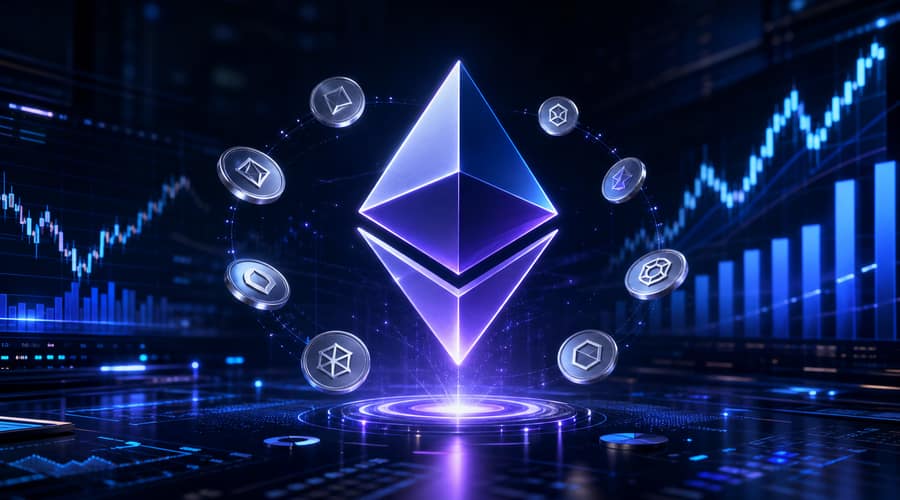
StarSwap launches StarCards NFT minting on Astar Network, combining decentralized exchange functionality with NFT-based governance to expand what a DEX can offer its community.
The decentralized exchange landscape has been evolving rapidly over the past year, with platforms competing not just on trading fees and liquidity, but on how deeply they can engage their communities. StarSwap, the decentralized exchange built on the Astar Network, is taking a notably different approach by integrating NFT governance directly into its platform architecture. The minting of StarCards NFTs is now live, marking a significant step in how decentralized exchanges think about user participation and ownership.
For those unfamiliar with the Astar Network, it is a multi-chain smart contract platform that supports Polkadot's ecosystem while enabling interoperability across multiple blockchains. StarSwap serves as one of its primary decentralized trading venues, allowing users to swap tokens, provide liquidity, and earn rewards without relying on centralized intermediaries. The addition of NFT governance through StarCards represents an effort to give users more than just a trading experience, it offers them a voice in how the platform develops.
NFT governance is still a relatively young concept in decentralized finance. Rather than distributing traditional governance tokens that often get traded and accumulate in the hands of a few large holders, StarCards NFTs function as both collectible assets and governance instruments. Holders can participate in decision-making processes that shape the platform's future, from fee structures to new feature rollouts. This model attempts to align long-term engagement with actual influence, something many DeFi platforms have struggled to achieve with standard token-based voting systems.
The timing of this launch is worth noting. The NFT market has seen significant fluctuations over recent months, with trading volumes swinging dramatically between hype cycles and cool-down periods. Projects that tie NFTs to tangible utility rather than pure speculation tend to weather these cycles better. StarCards appears designed with this principle in mind, offering holders governance rights that extend beyond simple ownership of a digital collectible.
Platforms like NFT Radar are also emerging to meet the growing demand for curated information about NFT projects across multiple blockchains. As a new platform designed to showcase upcoming NFT products and highlight trending updates, NFT Radar reflects a broader trend in the space: the need for better discovery tools as the market expands across dozens of chains and thousands of projects. For collectors and investors alike, navigating this landscape without reliable aggregation services has become increasingly difficult.
Both StarSwap and NFT Radar have indicated that more updates are coming through their respective Twitter channels. For projects building in the NFT and DeFi space, social platforms remain the primary channel for community communication, a reflection of how early-stage crypto projects operate differently from traditional tech companies. Announcements, partnerships, and feature releases often appear on Twitter before anywhere else, making it essential for anyone tracking these projects to follow their official accounts closely.
The broader implication here is about where decentralized platforms are heading. The original promise of DeFi was always about giving users control over their financial activities without intermediaries. But control without a say in governance is only half the equation. Projects like StarSwap that blend trading functionality with meaningful governance mechanisms are testing whether NFTs can serve as a bridge between passive platform usage and active community participation. If the model works, expect to see more decentralized exchanges adopt similar frameworks, not because NFTs are trendy, but because governance participation is the missing piece in most DeFi protocols today. The projects that figure this out first will likely define the next generation of decentralized platforms.