OpenAI launched GPT Image 2 today, a natively multimodal visual AI system that processed 500 million API requests in its first six hours and sent shockwaves through hardware and creative software markets alike.
Today's release of GPT Image 2 is the kind of moment that makes you recalibrate what you thought was possible. OpenAI didn't iterate on a vision-capable language model -- it built something structurally different: a General Purpose Transformer designed from the ground up for visual data, with a neural architecture the company says more closely mirrors the human visual cortex than anything that's come before it. The result is a system that converts raw text prompts into editable 4K video streams in real-time, something that previously demanded render farms and hours of compute time.
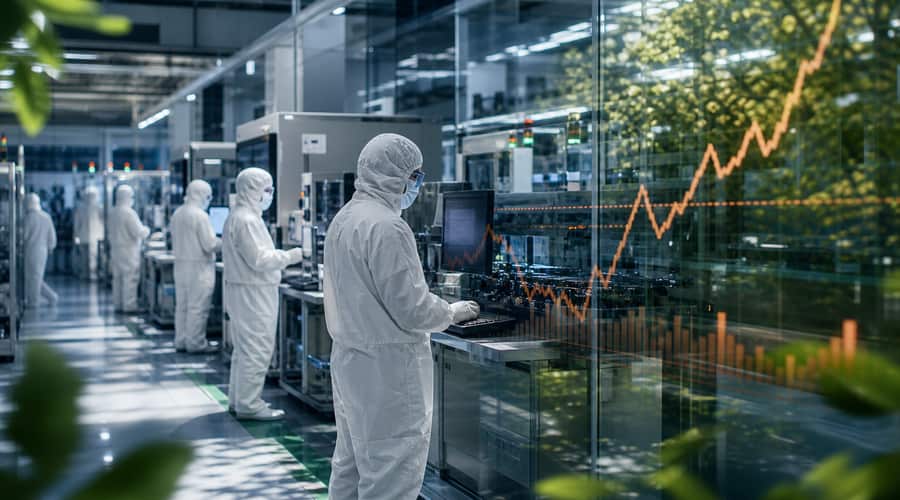
The technical substance backing that claim is considerable. GPT Image 2 runs on 12 billion parameters and, crucially, is optimized for standard consumer-grade ARM architecture rather than the expensive GPU clusters that have made NVIDIA the default infrastructure bet for AI investment. That single architectural choice may be the most consequential detail in the entire announcement. NVIDIA shares dropped 4% in pre-market trading as analysts absorbed what it means for demand when high-fidelity visual synthesis no longer requires enterprise-grade hardware.
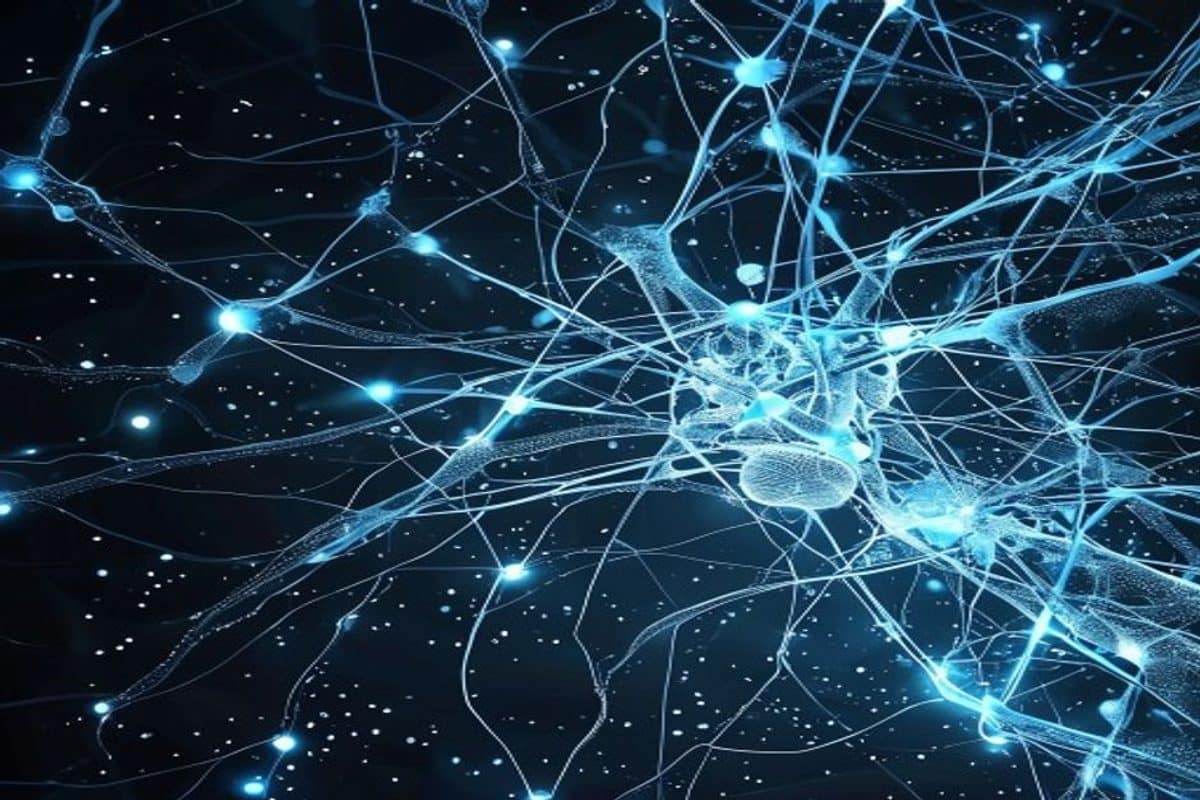
OpenAI paired the launch with a 40-minute technical documentary called "How an Artificial Neural Network Works," which had accumulated 45 million views on X within hours of release and drove GPT Image 2 to trend globally. The decision to lead with an educational film rather than a straightforward product demo reflects a deliberate strategy: by showing exactly how the system's neural decision-making operates, OpenAI is setting the technical vocabulary for a field it clearly intends to define. Transparency here isn't altruism -- it's positioning.
The faces attached to the project carry their own significance. CEO Sam Altman fronted the announcement, but the more telling presence was Chief Scientist Ilya Sutskever, who returned to OpenAI last year to lead Project Cortex, the internal initiative that produced this system. Sutskever's return was itself a signal that something architecturally ambitious was in motion; GPT Image 2 is the confirmation.
What This Means for Adobe and the Creative Stack
The implications for creative software are blunt. Adobe and its peers are already moving to integrate the GPT Image 2 API, but the underlying problem isn't integration speed -- it's that the technology makes layer-based editing workflows look like a legacy paradigm. When a system can generate and modify photorealistic 4K video from a text prompt with zero latency, the traditional production pipeline doesn't just get faster; it becomes optional. That's a different kind of competitive threat than what Adobe has managed before.
The broader category shift OpenAI is signaling is from Large Language Models to what it's framing as Large Vision Models. Whether LVM becomes the industry shorthand that LLM did is uncertain, but the underlying point is real: the center of gravity in frontier AI development is moving. Text generation remains commercially enormous, and the GPT-4.5 engine update powering GPT Image 2's 3D environment comprehension runs on the same lineage. But the headline ambition has clearly shifted to visual intelligence.
The number to watch in the coming weeks isn't the view count on the documentary -- it's developer retention on the API. Five hundred million generation requests in six hours is a striking launch stat, but it reflects curiosity as much as commitment. If enterprise and indie developers build production workflows on GPT Image 2 before Adobe completes its integration, the creative software market will look structurally different by Q3. OpenAI has opened the door; the question now is whether the ecosystem walks through it fast enough to lock incumbents out.
Also read: Anthropic tests stripping Claude Code from its base plan and OpenAI employees are already laughing • Mozilla used Anthropic's Mythos to find and fix 271 bugs in Firefox, signaling a new era for AI-driven software quality • OpenAI's GPT Image 2 solves the text rendering problem and puts graphic designers on notice