
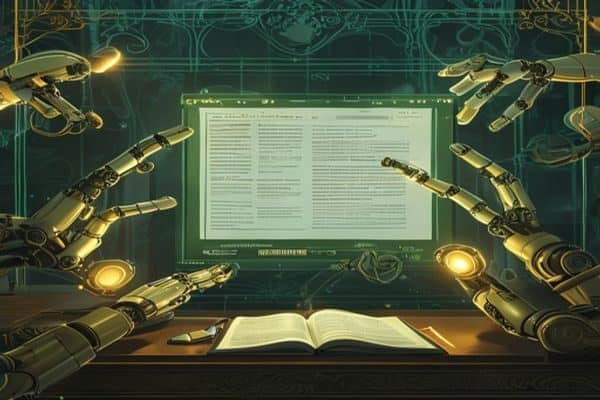
Wikipedia editors are locked in a standoff with AI agents scraping and editing the platform, and the clash offers an early look at how autonomous bots could destabilize crowdsourced knowledge across the internet.
Volunteer editors at Wikipedia have spent months grappling with a surge of AI-powered agents that are scraping, summarizing, and in some cases directly editing the encyclopedia's content without proper oversight. The frustration boiled over recently when community discussions highlighted just how unprepared the platform's governance model is for a wave of automated contributors that never sleep, never tire, and never fully understand nuance.
This is not a minor housekeeping dispute. Wikipedia sits at the foundation of the internet's information architecture. Its articles feed search engines, train large language models, and serve as the first stop for millions of daily users seeking reliable context. When the integrity of that system is tested by autonomous agents acting at machine speed, the consequences ripple outward far beyond the site itself.
As Malwarebytes recently reported in a piece that gained traction on Hacker News, the current confrontation at Wikipedia is likely just an early signal of a much broader collision between AI agents and the human-maintained platforms they depend on. The cybersecurity outlet described the situation as the start of a "bot-ocalypse," a term that captures the growing anxiety among community moderators, platform operators, and researchers watching automated systems overwhelm structures built for human-scale participation.
The core problem is straightforward. Wikipedia's editing model relies on a global community of volunteers who debate changes, flag inaccuracies, and build consensus over time. That process is deliberate by design. AI agents, by contrast, can generate and submit edits at scale, often pulling from sources that themselves may have been generated by AI. The result is a feedback loop where errors compound, attribution becomes murky, and human editors find themselves spending more time reverting bot-generated content than actually improving the encyclopedia.
Wikipedia is a high-profile target, but it is hardly alone. Platforms like Reddit, Stack Overflow, and Quora have all reported spikes in AI-generated submissions over the past two years. Stack Overflow implemented temporary bans on ChatGPT-generated answers back in late 2022 after moderators were overwhelmed by a flood of plausible-sounding but incorrect responses. Reddit has taken a more aggressive stance, updating its API policies and filing lawsuits against companies that scrape its data without permission.
The pattern is consistent across all of these platforms: automated content floods in faster than human moderators can evaluate it. For startups building community-driven products or relying on user-generated content, this is an operational risk that deserves serious attention. Moderation costs rise, user trust erodes, and the quality of the data that makes your platform valuable begins to degrade.
There is also a commercial dimension that startup founders should watch closely. Companies like OpenAI, Google, and Perplexity are actively building AI agents designed to browse the web, synthesize information, and take actions on behalf of users. Some of these agents are already capable of filling out forms, posting comments, and making edits. As agent capabilities grow, every platform with open APIs or permissive editing policies becomes a potential target.
What Comes Next
Wikipedia's community is already discussing technical countermeasures, including stricter rate limiting, CAPTCHA requirements for certain edit types, and potential partnerships with AI companies to establish clear rules of engagement. But governance moves slowly, and AI development does not. That asymmetry is the defining challenge.
For founders and operators of platforms that depend on user-generated content, the takeaway is practical: start planning for a world where a meaningful percentage of your inbound traffic and content submissions comes from autonomous agents. Build detection systems, update your terms of service, and think carefully about how much friction you are willing to introduce to protect content quality. The platforms that address this early will have a significant advantage as the bot wave accelerates.