A new lawsuit against xAI and SpaceX turns the AI data center debate from permitting into private liability. If residents can make noise and lost property value stick, compute will carry a new kind of cost.
The race to build bigger AI systems has reached a much more ordinary place: bedrooms, kitchens and property lines in Southaven, Mississippi. Three residents filed a federal class action on June 9 against xAI, SpaceX and MZX Tech, accusing the companies of creating a constant nuisance from gas turbines used to power the Colossus 2 AI training cluster.
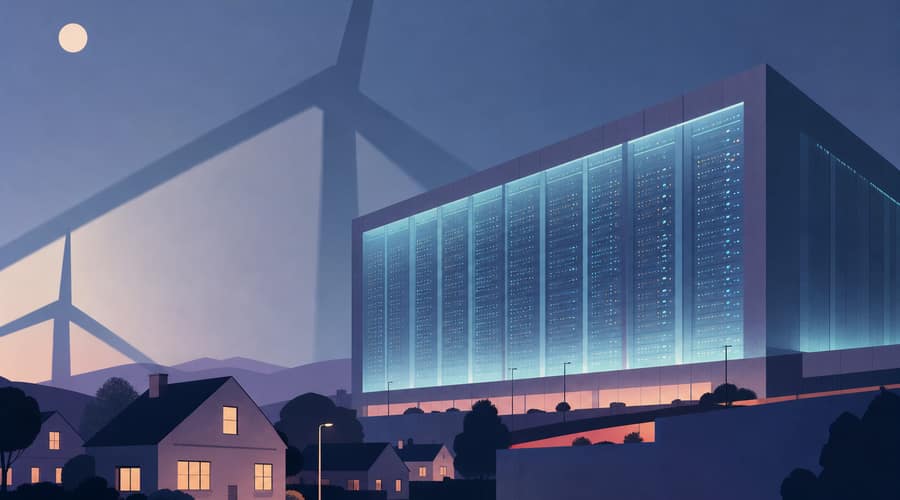
The complaint, filed in Oxford, seeks to represent more than 10,000 residents who say the turbines produce a 24/7 jet engine-like noise that has wrecked sleep, damaged daily life and reduced home values. The residents are seeking damages and disgorgement of profits, which makes this more than a local zoning fight. It is a test of whether the economics of AI compute can absorb the costs pushed onto nearby communities.
According to Reuters, the lawsuit says the Southaven facility expanded from three gas turbines to 57 as xAI rushed to bring the site online. The Colossus project has been described as a $20 billion facility and has received support from Mississippi Governor Tate Reeves, who has framed it as a major economic development win for the state.
That is exactly why the case matters. AI companies are not just renting cloud capacity anymore. They are building industrial infrastructure at a scale that looks much closer to energy, logistics and heavy manufacturing than software. When that infrastructure lands near homes, the old Silicon Valley rhythm of move fast and clean up later becomes harder to defend.
The class action follows a separate lawsuit filed in April by the NAACP, which accused xAI and MZX Tech of operating methane gas turbines without proper air permits. The Guardian reported that the NAACP case alleged the Southaven operation could emit more than 1,700 tons of nitrogen oxides annually, along with pollutants such as formaldehyde. xAI has not publicly answered every allegation in the same level of detail, and the claims still have to be tested in court.
Still, the direction is clear. The first wave of opposition focused on air permits and environmental review. This new case is more personal. It says the project made life worse for residents in a direct and measurable way. Sleep loss and property value claims can travel differently through court because they are not only about regulatory compliance. They are about harm.
That creates a sharper problem for xAI and SpaceX. A company can argue with regulators about emissions limits, temporary permits or turbine classifications. It is much harder to tell thousands of homeowners that the noise they hear every night is simply the price of progress. Courts have long treated nuisance claims as a way to deal with exactly this kind of conflict, where lawful business activity can still become unreasonable when it invades daily life.
The defendants also carry a bigger public profile than a normal data center developer. Elon Musk has made xAI central to his broader technology empire, while SpaceX has reportedly absorbed xAI into its corporate structure. That makes the lawsuit a reputational issue as well as a legal one. The more xAI is presented as a strategic pillar, the more its physical footprint becomes part of the company story.
AI infrastructure has entered its hard phase
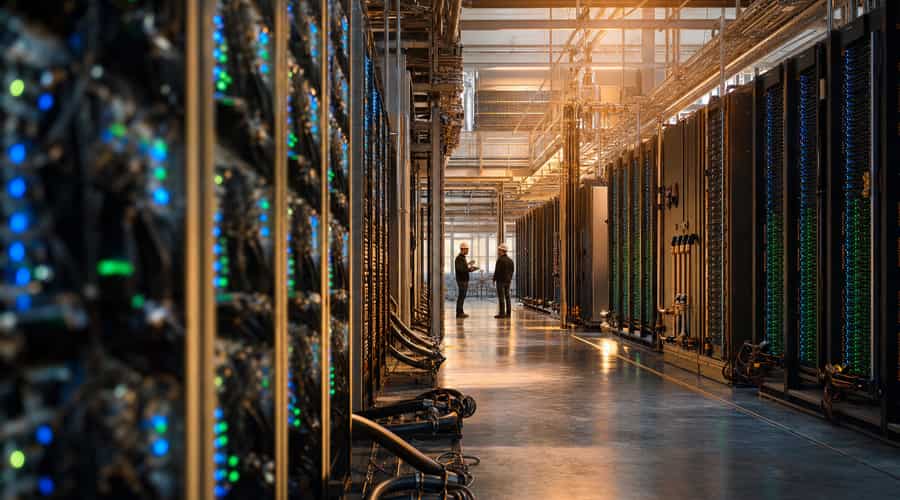
The industry has spent the last two years talking about chips, models and talent. Those are still important. But the bottleneck is increasingly power. Training large models requires huge clusters of GPUs, and those clusters need electricity immediately, not after a decade of utility planning. Gas turbines offer a quick answer, especially in regions where grid connections cannot keep up with demand.
That answer comes with a bill. Communities near data centers are starting to ask who benefits and who carries the burden. In Memphis and Southaven, opponents have raised concerns about air quality, water use, noise and transparency. Barron’s recently noted that SpaceX’s data center ambitions face environmental and legal challenges tied to power and water demands, which is exactly the kind of issue investors used to treat as secondary.
For hyperscalers, this is the practical warning. If xAI can face a class action over turbines at Colossus 2, other AI infrastructure projects may need to price in litigation, mitigation equipment, community payments, slower permitting and stricter site selection. The biggest companies can afford those costs, but the margins around AI services are already under pressure from chip spending and energy demand.
This does not mean large AI clusters will stop being built. They will not. But the cheapest route may no longer be the fastest route if it invites lawsuits that threaten profits after the fact. A turbine can be installed quickly. A class action can follow the project for years.
The next thing to watch is whether the Southaven residents win class certification and whether regulators take a harder line on temporary power setups for AI data centers. If they do, Colossus 2 may become a marker for the whole industry: the moment AI infrastructure stopped being treated as invisible software and started being judged like every other industrial neighbor.
Also read: Wonder is making burrito bowls a robotics test for restaurants • Apollo is testing Japan's appetite for private capital in insurance • Justin Ernest is showing how venture access is moving beyond funds