A viral prompt asking GPT to generate images of Reddit moderators has exploded across X and Reddit, racking up a 4,000% surge in posts within 24 hours and landing in the top 10 trending topics in both the US and UK.
Every now and then, the internet finds a prompt that perfectly sits at the intersection of old-school meme culture and cutting-edge technology. Today's entry: "I asked GPT to generate me an image of a Reddit mod." What started as a few ironic posts has turned into a full-scale viral moment, with thousands of users flooding X and Reddit with AI-generated caricatures of the unpaid volunteer administrators who keep internet forums running , and who have been the punchline of online jokes for nearly two decades. GPT-4o is the tool of choice for most, though Midjourney, FLUX from Black Forest Labs, and Ideogram are all seeing a meaningful spike in usage as people chase different stylistic flavors of the same joke.
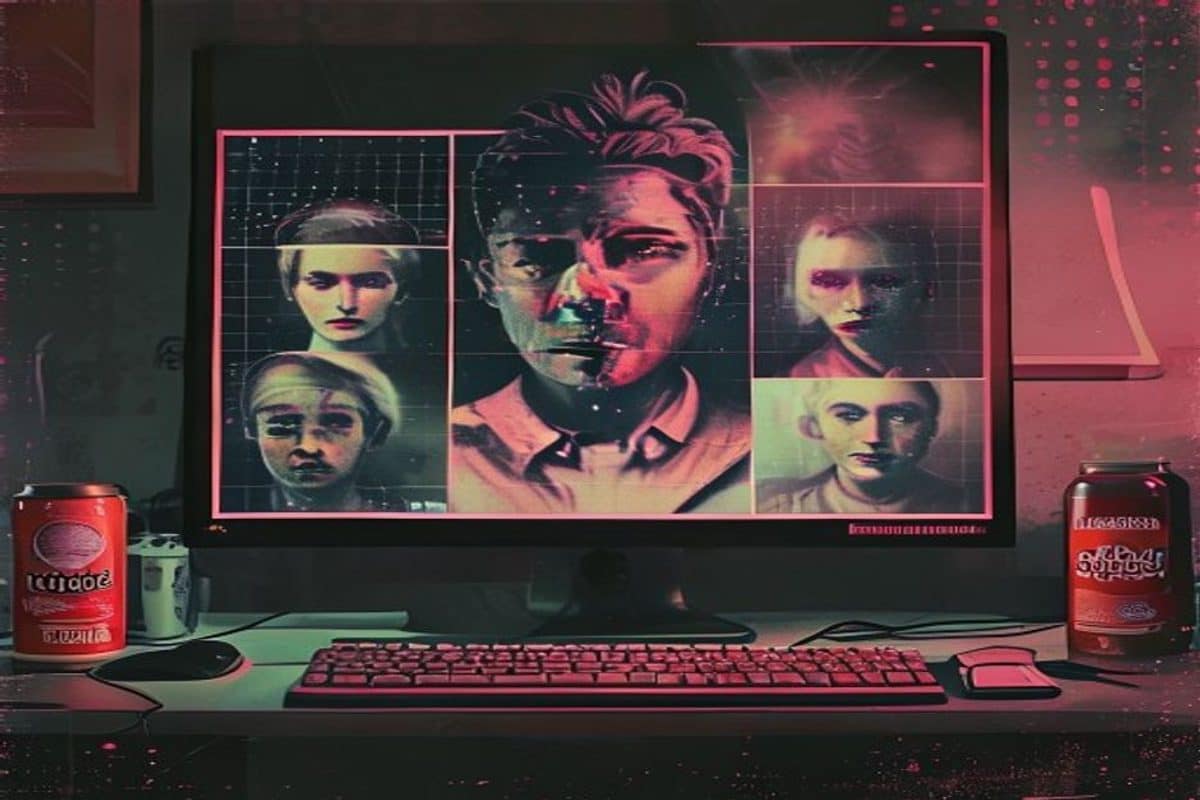
The staying power of the Reddit moderator as a cultural archetype shouldn't be underestimated here. The stereotype , someone who takes their volunteer role with a level of gravity more appropriate for a cabinet secretary , is one of the internet's oldest recurring bits. What AI has done is give that abstract caricature a face, literally. Models are producing images that lean into every trope: fluorescent lighting, ergonomic chairs, energy drink cans, and expressions that suggest someone has just caught a terms-of-service violation in the wild. The specificity is part of what's making these generations so shareable.
Beyond the laughs, what this moment is quietly revealing is how much AI safety infrastructure has matured over the past two years. Generating realistic depictions of people , even fictional archetypes , has historically been a fast track to a refusal from major models. The fact that GPT-4o and its competitors are largely completing these prompts suggests the models have gotten meaningfully better at distinguishing between satire directed at a cultural trope and content that targets a specific, identifiable individual. That's not a trivial line to walk programmatically. Some observers are noting this follows a recent OpenAI safety guideline update, which appears to have loosened the reins around satirical content without opening the door to targeted harassment.
Whether that calibration holds under sustained pressure is an open question. Viral trends have a way of attracting users who want to push past the satirical framing toward something more pointed. The next few days will tell us whether the current guardrails are genuinely robust or whether they're one creative prompt away from producing something that forces a policy revision. For researchers and AI safety teams, this wave of organic, high-volume usage is the kind of real-world stress test that a controlled red-teaming exercise can't fully replicate.
What It Signals About Where AI Adoption Actually Is
There's a broader story in the adoption pattern itself. Using generative AI to write a cover letter or debug code is still a deliberate, task-oriented act. Using it to roast an internet archetype at scale, just because it's funny, is something different , it's social. It signals that a meaningful slice of the general public has internalized these tools well enough to reach for them instinctively when a cultural moment calls for it, the same way an earlier generation reached for Photoshop or a meme template generator. OpenAI and its competitors have spent years arguing that generative AI would become as ambient as search. This week, at least, they have some evidence.
For the companies involved, the real asset here isn't the PR bump , it's the prompt data. Millions of users independently generating variations on a specific creative brief is a rare, organic dataset that reveals a lot about how people intuitively phrase requests, what stylistic outputs they prefer, and where models still fall short aesthetically. Midjourney and Black Forest Labs, both of whom compete aggressively on image quality and stylistic range, have every incentive to watch closely which platform's outputs are getting the most traction in the shares.
The meme will fade by the weekend. But the underlying dynamics it's exposed , about safety filter calibration, the social maturation of AI tools, and the competitive differentiation between image synthesis platforms , will still be worth watching when the next viral prompt cycle kicks off. And it will.
Also read: SK Hynix bets $13 billion on a new South Korea chip plant as AI memory demand shows no sign of cooling • Local LLMs are no longer a hobbyist experiment and the cloud AI market should be paying attention • Gen Z uses AI more than ever but a new Gallup poll shows their excitement has collapsed