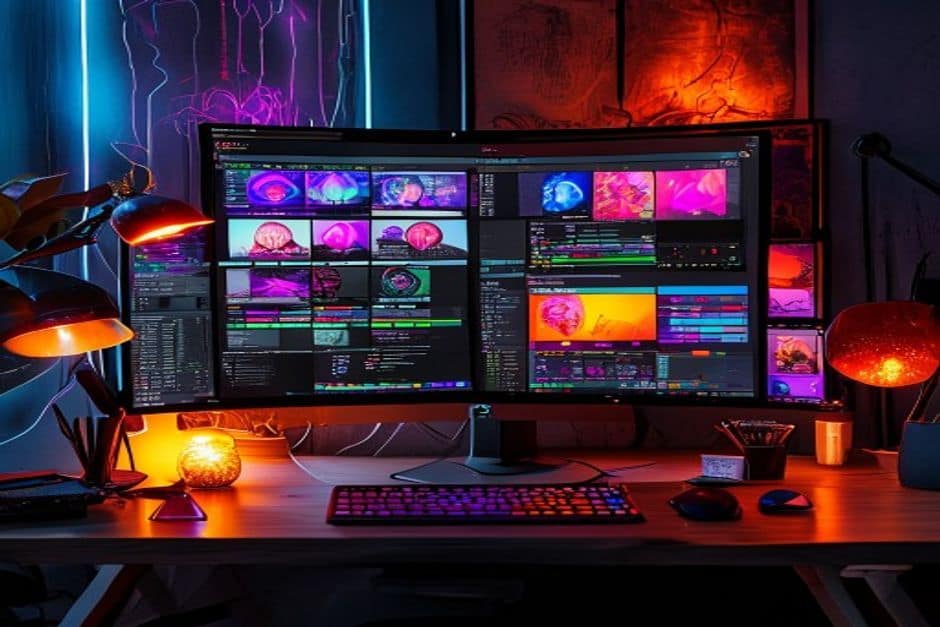
The near-simultaneous release of Sulphur 2 and LTX 2.3 10Eros, drawing 68 points and 18 comments on r/StableDiffusion within an hour of posting, is a snapshot of an open generative media ecosystem moving faster than any single company's product roadmap can track.
The cadence itself is the story worth examining. Two distinct specialized creative AI releases arriving in the same news cycle, each attracting immediate community attention, is not an anomaly in the current open-source image and video space. It is the tempo the ecosystem has settled into. For founders trying to build durable products in generative media, the question that double release poses is not which model is better. It is whether a product strategy built around owning or deeply integrating a specific model can survive an environment where the underlying capabilities are being replaced or improved every few weeks by contributors who are not coordinating with each other and certainly not coordinating with your roadmap.
Sulphur 2 and LTX Video 2.3 10Eros represent different points on the creative AI capability spectrum. LTX Video, developed by Lightricks, has been one of the more commercially credible open video generation models, notable for running at speeds and hardware requirements that make real-time or near-real-time video generation plausible on consumer hardware. The 2.3 10Eros variant continues iterating on that foundation, with the community discussion pointing toward improvements in motion consistency and prompt adherence that are the two dimensions where earlier LTX versions attracted the most criticism. Sulphur 2 sits in the image model category, with community reactions focusing on output quality in specific stylistic ranges and its fit within existing Stable Diffusion workflows. Neither release is a wholesale replacement for existing tools. Both move the quality and usability bar in specific dimensions that matter to working creators.
The hardware accessibility trajectory of open creative AI models is the most practically significant trend for founders evaluating this space. The models attracting the most community adoption are consistently those that run well on hardware configurations common among serious hobbyists and independent creators: 12GB to 24GB VRAM cards, Apple Silicon machines with adequate unified memory, and in some cases consumer-grade setups that would have been entirely inadequate for serious AI image work eighteen months ago. LTX Video's reputation in this regard has been a meaningful part of its community adoption, because fast video generation on accessible hardware is a genuinely different capability from fast video generation on a data center GPU. It puts the tool in the hands of people who are building with it in real creative contexts rather than demonstrating it in controlled settings.
The practical implication for workflow integration is that the barrier to embedding open generative video and image models into actual product pipelines is dropping with each model generation. A media automation startup that evaluated open video models in mid-2024 and found them too slow, too hardware-intensive, or too inconsistent for production use is working from an outdated assessment. The pace of improvement in this specific capability cluster has been fast enough that quarterly reassessment is appropriate, and decisions made more than six months ago about which models are viable for production should be actively revisited rather than treated as settled infrastructure decisions.
Why Workflow Packaging Beats Model Ownership
The fragmentation point is the one with the longest strategic implications. The r/StableDiffusion community is genuinely enthusiastic about each new model release, but that enthusiasm is also the mechanism through which attention and adoption scatter across an expanding catalog of options. A creator who adopted a specific workflow around one model six months ago now faces a constant stream of alternatives that may be better for some tasks and worse for others, with no authoritative source telling them which to use for which purpose and how to integrate the new options into an existing setup. That fragmentation is a problem that users experience every day and that the model-release community is structurally not positioned to solve, because solving it requires product discipline of a kind that open-source development does not naturally produce.
This is where startups have a genuine and defensible opportunity that does not depend on model quality leadership. The users who most need generative media tools for commercial purposes, marketing teams, small studios, solo creators producing content at volume, and e-commerce operators building visual assets, are not model enthusiasts. They are outcome-oriented professionals who want reliable, consistent results from a workflow they can trust and repeat. They do not want to evaluate Sulphur 2 against its predecessor or compare LTX 2.3 to competing video models. They want a tool that produces the output they need, quickly, with enough controllability to meet their brief, and with sufficient consistency that they can build a repeatable production process around it.
A startup that curates, integrates, and maintains reliable workflows built on the best available open models is providing something the model ecosystem itself cannot: product stability in a context of model volatility. The underlying models can be swapped as better options emerge, which in the current environment happens continuously, while the user-facing workflow and interface remain consistent. That abstraction is the product, not the model underneath it. Companies that have understood this, building interface and workflow layers that are deliberately model-agnostic at the infrastructure level, are better positioned to sustain user relationships through the release cycles than those whose product identity is tied to a specific model or model family.
The licensing question deserves explicit attention for any founder evaluating commercial deployment. Open model releases vary significantly in their licensing terms, and the difference between a model released under a fully permissive license and one with non-commercial restrictions or attribution requirements is the difference between infrastructure you can build a business on and infrastructure that creates legal exposure as you scale. Community enthusiasm for a model release does not track licensing permissiveness, and the r/StableDiffusion community's positive reaction to Sulphur 2 and LTX 2.3 tells you nothing about their commercial usability without a separate licensing review. That review should happen before integration, not after a product has been built around a model whose terms turn out to be incompatible with the revenue model.
The near-term forecast for this space is more of the same, at higher quality. The open generative media release cadence shows no sign of slowing, the hardware accessibility trend continues to improve, and the gap between open and closed model quality in specialized creative tasks continues to narrow. Founders who build workflow and user experience layers that can absorb that continued change, rather than betting on any specific model's durability, are building for the environment that exists rather than the one that would be more convenient.
Also read: LongCat Image Edit Turbo Arrives at the Moment When Fast Specialized Edit Models Are Worth More to Founders Than Generalist Generators • When Anyone Can Generate a Photorealistic Image in Seconds the Trust Cost Falls on Every Platform That Relies on Visual Evidence • The Qwen3 27B vs 35B Debate on Reddit Is Really a Story About What Local AI Actually Costs to Run