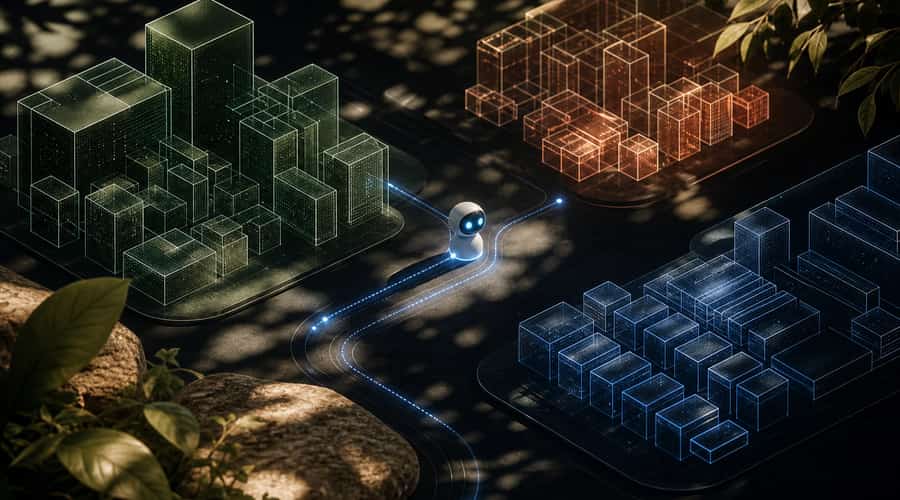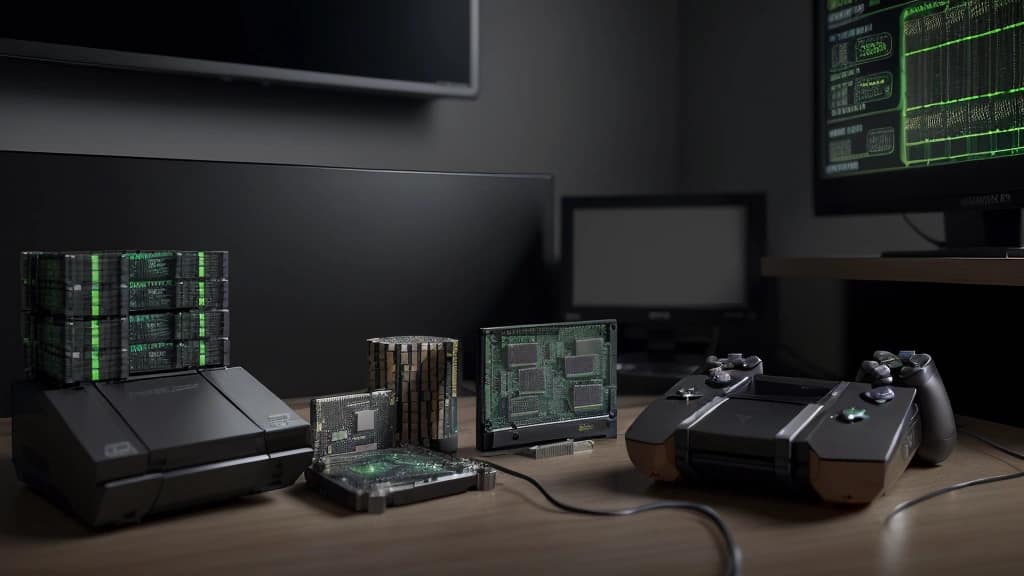
The AI boom is no longer just a data center story. Rising memory prices are now pressing into gaming consoles, consumer hardware, and the margins companies once counted on to hold steady.
Sony and Nintendo are being pulled into a supply-chain fight they did not start. The rush to build AI infrastructure has turned memory chips into one of the most contested inputs in technology, and console makers are now competing with cloud giants that can pay more, commit earlier, and absorb higher costs across bigger budgets.
That matters because consoles are not priced like luxury servers. PlayStation, Xbox, and Switch hardware has traditionally lived on thin margins, with platform owners making more money over time from software, subscriptions, and digital storefronts. When DRAM, NAND, and high-bandwidth memory become more expensive, that model gets harder to defend. A console can be a gateway into a profitable ecosystem, but only if the hardware price does not scare away the next buyer.
According to a Reuters analysis, demand for dynamic random access memory used in Sony PlayStation systems, Microsoft Xbox hardware, and Nintendo Switch 2 devices has exceeded supply as technology companies race to expand AI infrastructure. Memory suppliers are naturally leaning toward higher-margin products for data centers, where buyers need enormous volumes of advanced components and are often willing to sign longer commitments.
This is the second-order effect of AI capex that many investors have been waiting to see. The first wave was obvious: Nvidia sold more accelerators, hyperscalers spent more on data centers, and power demand became a boardroom issue. The next wave is less tidy. It shows up in the cost of a console, the bill of materials for a laptop, the price of a smartphone, and the decision by a hardware company to delay a launch or accept lower profitability.
For years, memory was treated as a cyclical commodity. Prices rose and fell with supply discipline, device refresh cycles, and the usual rhythm of consumer electronics. AI has changed the shape of that cycle. Training and running large models requires massive memory bandwidth, and that has made HBM a strategic product rather than a background component.
The pressure does not stop with HBM. When Samsung, SK Hynix, Micron, and other suppliers allocate more production toward AI-related memory, the broader stack tightens. Server DRAM becomes more expensive. NAND pricing can move higher. Older or lower-margin consumer parts get less priority. For a company building a game console, that means procurement teams face a market where the most powerful buyers are not other gaming companies, but cloud platforms and AI infrastructure firms.
That shift creates a simple economic problem. Sony and Nintendo can try to absorb higher memory costs, but doing so eats into hardware margins at a time when consumers are already cautious. They can raise prices, but that risks slowing adoption and reducing the installed base developers care about. They can trim specifications, but consoles depend on consistent performance across a long product cycle, so there is limited room to change memory architecture without affecting the user experience.
The same tension is showing up across consumer technology. Counterpoint Research recently estimated that some server memory prices rose sharply in early 2026, with further increases expected in the second quarter. Even if console makers do not buy the same exact memory as AI server builders, the supply chain is connected. Capacity decisions made for data centers can reduce availability elsewhere, and that gives suppliers more pricing power across multiple categories.
The margin squeeze may reach consumers
Gaming hardware companies have already dealt with tariffs, currency swings, and uneven consumer demand. Memory inflation adds another cost shock at the wrong moment. A household that was comfortable buying a console at one price may hesitate if the next revision or bundle comes in meaningfully higher. That is especially true when game prices, subscriptions, and accessories have also become more expensive.
Nintendo faces a particularly delicate balance because the Switch business depends on broad family appeal, not just high-spending enthusiasts. Sony has more room in the premium segment, but PlayStation hardware still needs scale to support exclusive titles, online services, and third-party developer interest. If memory costs push prices higher, the companies may protect margins in the short term while making their ecosystems harder to grow.
There is also a supplier-side winner in this story. Memory makers that spent years dealing with brutal downcycles now have AI demand pulling capacity into products with stronger pricing. For Samsung, SK Hynix, and Micron, the question is not whether demand exists, but how quickly capacity can expand without creating the next oversupply. That makes the current moment valuable but dangerous. Building too little capacity keeps customers frustrated. Building too much could damage pricing later.
For entrepreneurs and operators, the lesson is broader than gaming. AI infrastructure is repricing parts of the technology stack that used to feel predictable. If your product depends on components, cloud capacity, storage, or advanced chips, the AI buildout can affect your economics even if you are not building an AI company. Scarcity travels.
The next thing to watch is whether console makers quietly redesign around the shortage or make the cost visible through higher prices. If Sony and Nintendo can hold the line, it will likely come at the expense of margins. If they pass costs through, consumers will see that the AI boom has reached far beyond servers. Either way, memory has moved from the background of consumer technology to the center of the pricing conversation.
Also read: AI founders are turning healthcare fax queues into startup territory • Microsoft's OpenAI anxiety shows cloud loyalty has limits • Meta is learning that AI transformation has a workplace cost