Charlize Theron pushed back on Timothée Chalamet's dismissal of opera and ballet, arguing AI will replace screen actors long before it can replicate live performance. She's right about the direction but significantly behind on the timeline.
In a recent interview with The New York Times, Charlize Theron called it "very reckless" for Timothée Chalamet to suggest that nobody cares about opera or ballet anymore. Her counter-argument was pointed: in ten years, she said, AI will be able to do what Chalamet does on screen. Live performance, she argued, is a different matter entirely. It is human, embodied, unrepeatable. AI cannot replicate the risk of a dancer mid-leap or the acoustic vulnerability of a soprano in a 2,000-seat hall.
She is correct about that distinction. Where the argument gets complicated is the ten-year estimate. We are not a decade away from AI doing Chalamet's job. By most practical measures, we are about a year away.
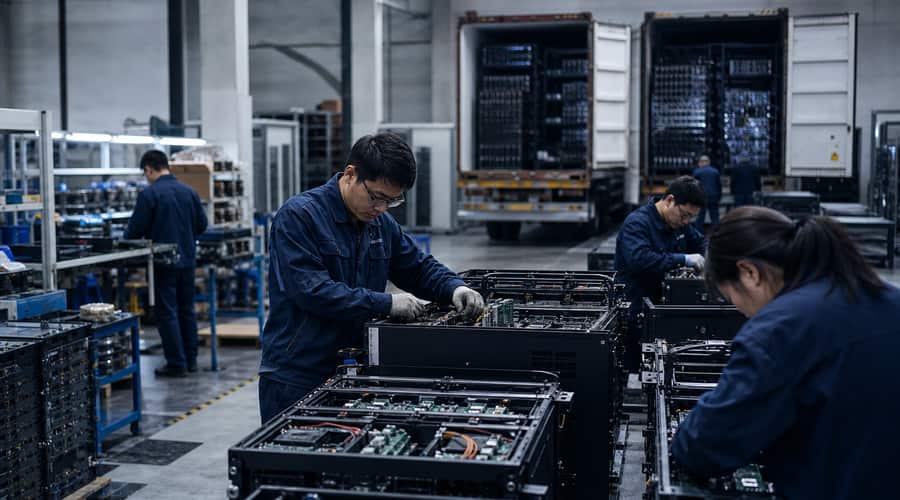
The tools required to generate a photorealistic, emotionally convincing digital actor already exist in functional form. Text-to-video models like Sora and its competitors can produce short-form cinematic content at a quality that was unthinkable in 2023. Voice cloning is essentially a solved problem. Facial performance synthesis, the ability to map nuanced human micro-expressions onto a generated face, has moved from research lab to commercial deployment. What remains is integration, compute scale, and the legal infrastructure to govern it. None of those are ten-year problems.
Studios are already running pilots. Several productions have used AI-generated background actors and digital doubles for scenes that would previously have required union extras or expensive location shoots. The Screen Actors Guild's ongoing disputes over AI likeness rights are not a preview of some future negotiation. They are happening now because the threat is present-tense.
What Theron gets right
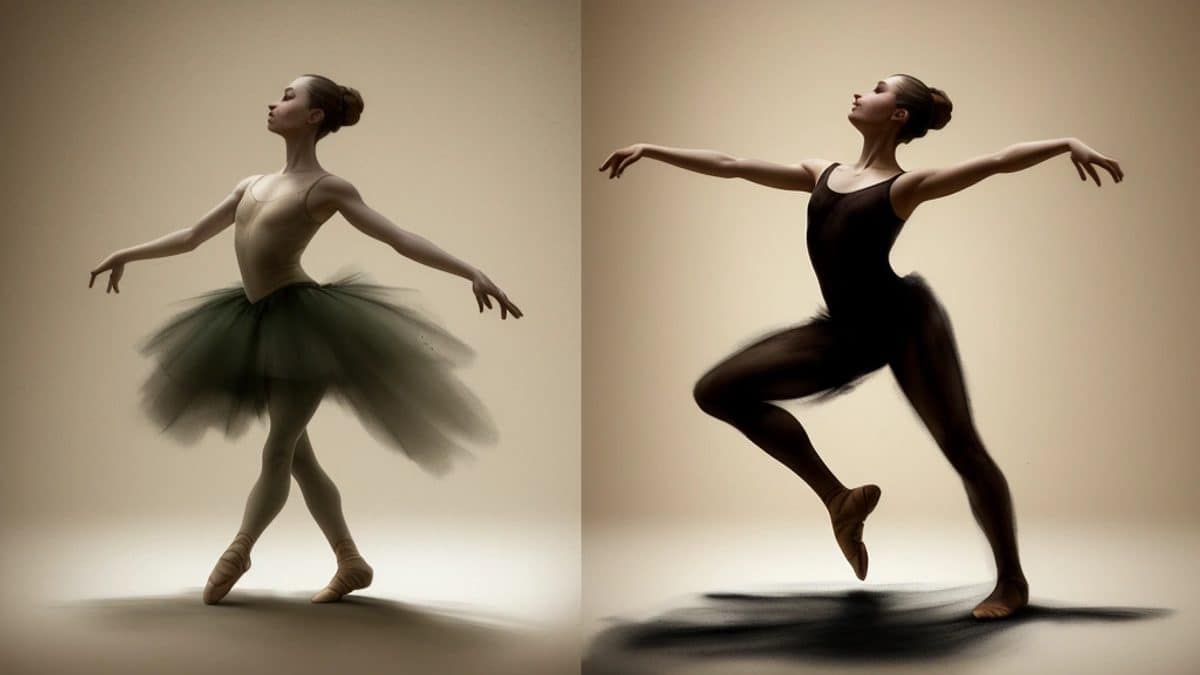
Where Theron's argument holds is in the phenomenology of live performance. Ballet is not a recording medium. When Francesca Hayward performs at the Royal Opera House, the audience is not consuming a product. They are present at an event that exists once and dissolves. The shared physical space, the sweat, the possibility of failure, the breath between musician and hall, that is not a content format AI can replicate because it is not content. It is an experience that requires human bodies in the same room.
Opera and ballet were already niche before streaming fractured attention spans into smaller and smaller pieces. The audiences who fill those houses know exactly what they are paying for. They are not there because they cannot find a recording. They are there because a recording is categorically not the same thing. Chalamet's dismissal misreads what those art forms actually are.
Theron also implicitly makes a point about cultural value that gets lost in most AI-displacement conversations. The debate tends to collapse into economics: which jobs survive, which do not. But some art forms are not primarily economic objects. A regional ballet company running at a loss in a mid-sized European city is not a failed business. It is a cultural institution. AI cannot make it redundant because its existence is not contingent on efficiency.
The screen actor problem is more urgent
For film and television actors, especially those working below the Chalamet tier, the economic threat is not speculative. Background performers, voice actors, and mid-range talent working in commercial and streaming work are already competing with synthetic alternatives. An AI-generated spokesperson costs a fraction of a union session fee and can be revised indefinitely without scheduling a recall.
The more interesting question is what happens to star-driven cinema when the star is synthetic. A studio could theoretically generate a Chalamet-adjacent lead for a mid-budget thriller without any of the contractual, logistical, or interpersonal friction that comes with a human actor. The audience response to that proposition remains genuinely unknown. There is evidence that viewers do not particularly care whether a background actor is real. It is much less clear that they do not care whether the lead is.
Theron's framing puts AI replacement on a ten-year horizon partly because she is thinking about the full cinematic package: performance, star power, cultural presence, the interview circuit, the awards campaign, all of it. Strip that down to pure on-screen performance in a contained genre project, and the timeline compresses considerably. Within twelve months, a production house with mid-range resources could credibly release a feature with a photorealistic AI lead. Whether audiences accept it is the variable that determines how quickly the industry restructures around that capability.
The honest read of the Theron-Chalamet exchange is that they are both partially right and talking past each other. Screen performance and live performance are not the same thing, and conflating them distorts both arguments. AI will reach screen actors faster than Theron thinks. It will not reach the ballet, not because the technology cannot approximate it, but because approximation is precisely what the audience is not there for.
Also read: Sam Altman's outside ventures are raising hard questions about who OpenAI is really building for • Gemini flagged a $280 million crypto exploit before the news broke then called itself wrong because the internet hadn't caught up yet • NVIDIA's Trillion-Dollar AI Bet and the Markets It Hasn't Tapped Yet