
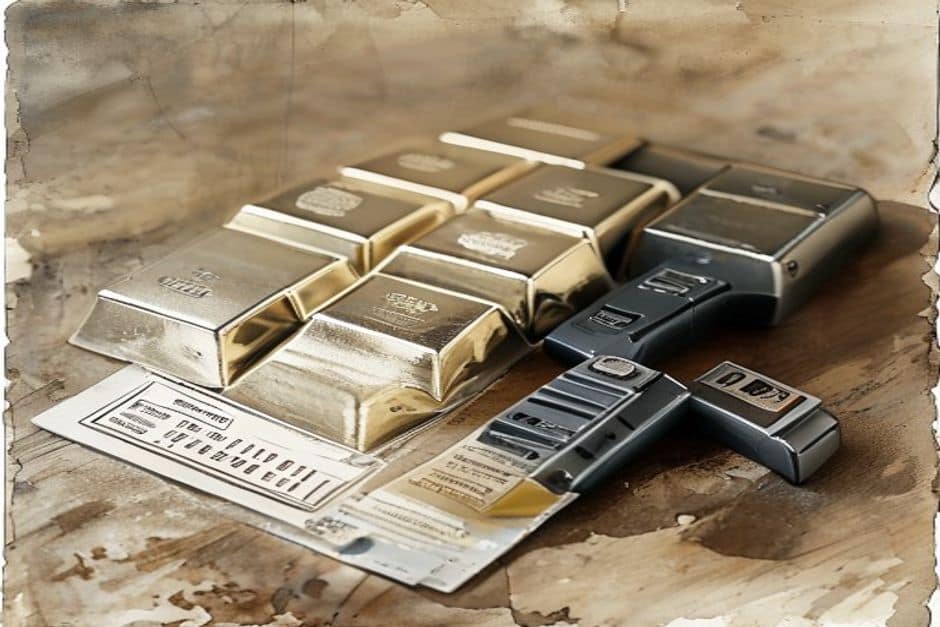
A Reddit dispute over fake silver bars on GovDeals shows how quickly confidence can break when public agencies resell goods that look like bullion.
The uncomfortable part is not that fake silver exists. Precious metals buyers already know that counterfeit bars, plated rounds and misleading assay stamps are part of the market. The sharper question is what happens when a government-linked seller appears to move that material through a public surplus marketplace, even with warnings attached.
A post on r/Silverbugs on May 11 put that question in front of retail silver buyers after a user flagged what they described as a police department selling fake silver bars on GovDeals. The thread drew more than 160 votes and dozens of comments within hours. Commenters identified the seller as connected to Boone, North Carolina, and the debate quickly moved past whether the listing was labeled. Several users noted that the title itself said the bars were fake or likely fake. Their objection was that the bars still appeared to carry silver-style markings, without a permanent COPY stamp that would make resale deception harder.
That distinction matters. A listing can disclose a problem to the first buyer and still create risk for the next one. If a bar is stamped like bullion, photographed like bullion and moves into a private collection after the auction, the marketplace warning disappears the moment the item changes hands. That is why buyers in the thread were less concerned with whether one GovDeals bidder was fooled and more concerned with whether an official channel was putting convincing replicas back into circulation.
The publicly searchable GovDeals record did not surface the full Boone listing during verification, so the exact closing price, lot number and all photos could not be independently confirmed from the live marketplace record. The Reddit discussion, however, points to a small lot of one-ounce style bars, with one commenter describing 20 bars and another saying the pieces were magnetic. Magnetism is a serious red flag for silver, which is not magnetic in the way steel or iron-based fakes are. It is not a full assay, but for retail buyers it is enough to stop bidding.
GovDeals is not a precious metals dealer. It is a surplus auction platform used by governments and related sellers to dispose of vehicles, equipment, lost property, recovered goods and other assets. That model works well for snowplows and office chairs. It gets more complicated when the asset is a compact store of value whose worth depends almost entirely on authenticity.
GovDeals' own user agreement says buyers should not treat photos, descriptions or listing text as warranties unless a listing expressly says otherwise. It also states that neither the platform nor sellers make representations about the genuineness, authenticity or composition of assets. That is standard auction language, but for bullion it means the buyer is effectively underwriting the authentication risk before clicking bid.
The practical takeaway is simple. Do not bid on silver bars from a surplus auction unless the listing gives you enough evidence to price the risk. A credible listing should include clear photos of both sides, close-ups of mint marks and serial numbers, exact weight in troy ounces or grams, dimensions, and preferably a documented test from an XRF analyzer or another recognized method. Even then, some GovDeals listings warn that analyzer photos are for reference only and do not guarantee metal content.
Price is another test. If a supposed silver lot trades far below spot value, the market may be telling you something. If it trades close to spot despite weak testing, bidders may be paying bullion prices for auction uncertainty. Neither outcome is attractive for a buyer who cannot inspect the lot in person or return it after shipping.
Disclosure Is Not The Same As Control
The larger issue is the role of public agencies. A police department or city surplus office may see fake bars as found property that needs to leave an evidence room. The auction listing may be created by a clerk or a surplus manager rather than the officers who handled the item. That does not make the resale malicious. It does make the control problem real.
There are legitimate uses for replica bars. People use them as film props, educational examples or decoy safe fillers. But counterfeit-looking bullion is different from a broken laptop or an old cruiser. Once it is sold, the public agency loses control over how it is presented to the next buyer. If the item is not permanently marked as fake, the risk travels with it.
Platforms can reduce that risk without banning every novelty metal item. They can require listings for counterfeit or replica bullion to say so in the title and description, require permanent markings where practical, block vague terms such as silver bar when the item is not silver, and route questionable lots into destruction rather than resale when the bars imitate real investment products too closely. Agencies can do the same before property ever reaches an auction page.
For silver buyers, the lesson is not to avoid every government auction. It is to treat the badge or agency name as a source of custody, not a certificate of authenticity. The market for alternative assets runs on trust, and trust is built through verification. If public sellers want bidders to pay real money for precious-metal listings, they need stronger proof than a photo and an as-is disclaimer. The next question is whether surplus platforms tighten those rules before another fake bar becomes someone else's real loss.
Also read: Silver buyers are learning that storage is part of the investment. • A Minnesota silver theft shows bullion risk starts after purchase • Silver has already outrun gold in 2026 and the stacking debate is really about what comes next