Wonder's CEO Marc Lore unveiled Wonder Create at the WSJ Future of Everything conference, a tool that lets anyone prompt a food concept and receive a full brand, menu, pricing, nutrition, images, and recipes within sixty seconds, with the resulting restaurant available for immediate deployment across Wonder's existing network of 120 tech-enabled kitchens and a planned expansion to 400 by next year.
The pitch is genuinely new even if the ghost-kitchen category it builds on is not. Lore is not offering another virtual brand aggregator. He is offering something closer to a restaurant creation platform where the barrier to entry is a description and the distribution is already solved. You prompt the concept, Wonder Create generates the brand identity and menu, and the food can start reaching customers through Wonder's own infrastructure without a founder ever leasing a kitchen, hiring a chef, or negotiating with a delivery aggregator. The product reframes the restaurant business as something closer to publishing, where the creative layer is separated from the production and distribution layer, and where the cost of entry falls far enough that the definition of who can start a food brand expands dramatically.
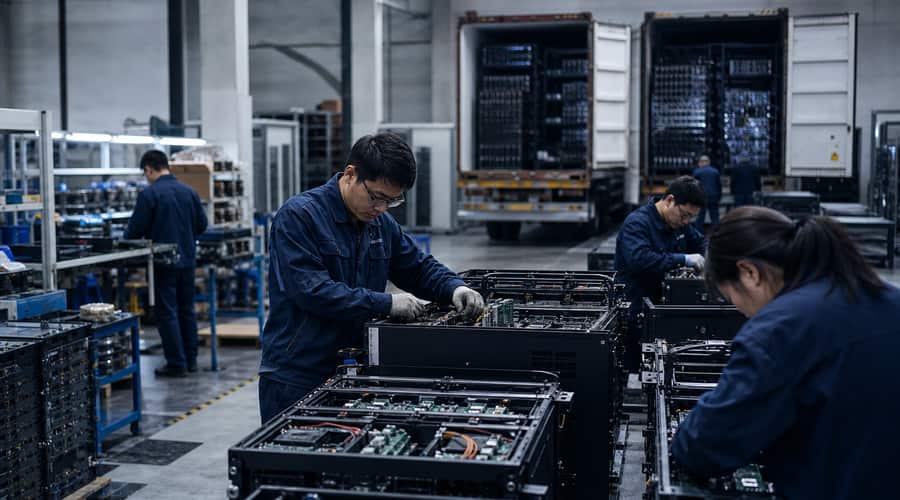
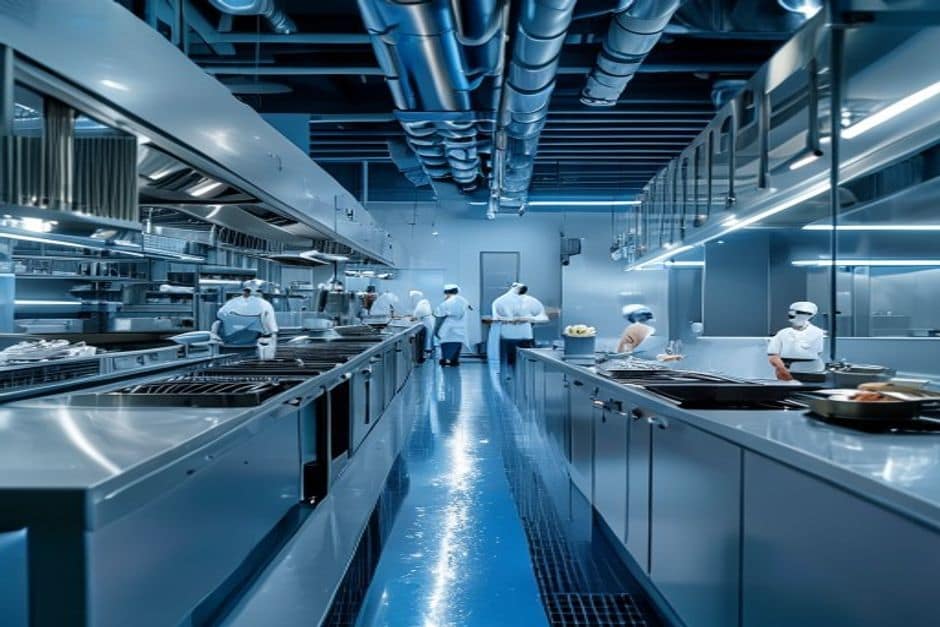
The operating specifics make the ambition concrete. Each Wonder kitchen runs on a 700-ingredient library, staffed by a twelve-person team working alongside robotic arms and conveyor systems. Lore has said throughput could increase from 7 million to 20 million meals annually out of a 2,500-square-foot facility, which is a number that only works if the automation is genuine and the multi-brand model is producing real utilisation. Wonder's acquisition of Spice Robotics is the clearest signal that the company is serious about the mechanical side of that math. Spice brings hardware capability for high-speed food assembly that Wonder needs if it wants to run dozens of distinct menu concepts out of a single kitchen without the quality collapsing as volume rises. The acquisition also removes a dependency risk. Relying on a third-party robotics provider to deliver the core operational innovation in a margin-thin category is a bad position. Owning the hardware layer is how you control the cost structure.
The ghost-kitchen category has a reputation problem that Wonder needs to address directly, and Lore appears to understand this. MrBeast Burger is the cautionary tale every investor and operator now cites. It launched in hundreds of partner kitchens using existing restaurant infrastructure, scaled fast through influencer distribution, and then faced a wave of customer complaints about inconsistent quality, unfulfilled orders, and food that did not match the brand promise. The business collapsed publicly and left customers, operators, and the MrBeast brand itself with damage to repair. The core failure was not distribution. It was quality control in an environment where the kitchen had no real incentive to prioritise an unfamiliar virtual brand over its core business. Wonder's model attempts to solve that problem by owning the kitchens, controlling the ingredients, and standardising production through automation. If the 700-ingredient library and the robotic assembly are working as described, a Wonder Create brand should taste the same in every location, which is precisely what MrBeast Burger could not guarantee.
The question for startup founders and investors is whether Wonder Create becomes a real small business creation layer or whether it is a more sophisticated version of platform-dependent creator monetization. The distinction matters. A genuine small business creation layer would mean that a founder can build something with durable brand equity, return customers, and economics that are not entirely dependent on Wonder's continued goodwill and fee structure. A creator monetization scheme would mean influencers and entrepreneurs can launch a brand, ride the novelty, and then find they have built something that exists only inside Wonder's infrastructure with limited ability to move, grow, or exit independently. The ghost-kitchen category has generally produced more of the latter than the former. Brands that achieve scale tend to find their economics hollowed out by platform fees, while brands that fail tend to disappear without leaving founders with much to show for the effort.
There is also the question of what happens to the prompt-generated concepts at scale. If Wonder Create works well enough, the tool will produce hundreds of new virtual brands. Most of them will fail quickly, but a few will resonate with customers and generate real revenue. The interesting entrepreneurship question is what rights the creator actually holds over that brand, and whether the AI-generated name, menu, and identity can be owned and transferred independently of Wonder's platform. Those details will determine whether Wonder Create is genuinely democratising restaurant entrepreneurship or building a new kind of creative labour arrangement where founders provide the concept and Wonder captures most of the value.
Lore's track record gives the vision credibility. He sold Jet.com to Walmart for $3.3 billion after convincing the market that grocery logistics could be reimagined from scratch, and he has been consistent about applying similar reasoning to food. Wonder has raised substantial capital and built real infrastructure. The kitchens exist, the robotics partnerships are real, and 120 locations is a meaningful network. The 400-kitchen target for next year is aggressive but not implausible given the capital the company has committed. Whether Wonder Create becomes the product that fills those kitchens with compelling brands rather than forgettable ones will depend on execution details that are not yet visible, but the structural idea, that the restaurant creation barrier should be a prompt rather than a lease, is the right direction. The founder premium that AI has applied to software creation is now being pointed at food, and the category is large enough that even a partial success would matter.
Also read: Peter Sarlin's QuTwo shows how founder reputation can price an AI startup before traction does • RAMageddon is real and AI data centers are crowding out everyone else in the memory market • Samsung's trillion-dollar comeback shows AI demand is lifting the whole chip stack