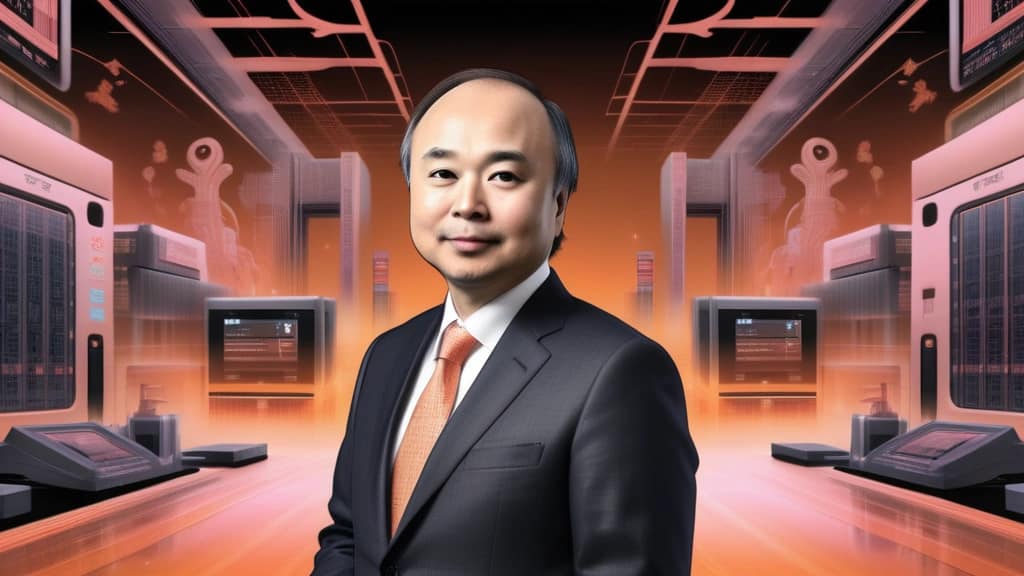
SoftBank's plan to create and list a company called Roze in the United States shows Masayoshi Son trying to solve a problem that every venture-scale AI investor now faces: how to convert paper bets into liquid assets before the market moves on.
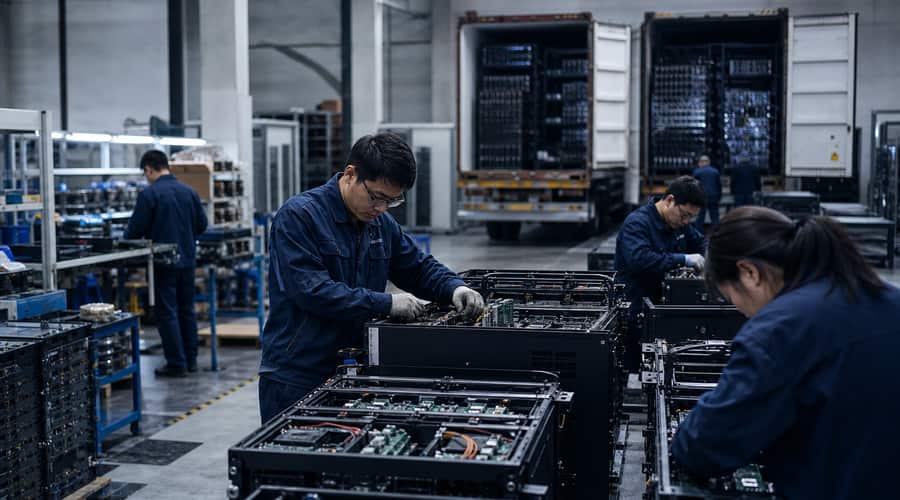
Roze is described as a combination of AI, robotics and data center development, and SoftBank is reportedly targeting a valuation around $100 billion with a possible listing as early as this year. The Financial Times broke the story and Bloomberg confirmed it, citing people familiar with the matter. That combination of scope and speed is vintage Masayoshi Son. He has been putting tens of billions of dollars into AI across multiple bets, from his cornerstone position in OpenAI to data center projects in the United States that could reach 10 gigawatts of capacity and several hundred billion dollars in total investment. Roze would be a way to consolidate some of that activity into a single listed entity that investors can price, trade and hold directly. That is the move. It is less about building a new company from scratch and more about packaging an existing strategy in a form the public market can absorb.
The SoftBank context makes this more interesting than a typical IPO story. Son has spent the last year accelerating his AI commitments at a pace that has surprised even his closest observers. He put roughly $34 billion into OpenAI across multiple tranches, participated in the $122 billion funding round that preceded the expected OpenAI IPO later this year, and announced a landmark data center initiative in Ohio that may represent the largest single infrastructure project in the AI boom so far. All of that requires capital, and much of the return on it is locked up in private-market positions that cannot be easily accessed until the underlying assets list or are sold. Roze is designed to create a separate path to liquidity, one that does not depend on OpenAI's IPO timeline or the pace at which the data center projects mature.
The structure also reflects how SoftBank has historically managed its balance sheet. Son built SoftBank into a global investment vehicle largely through a series of listed subsidiaries, from the original mobile business in Japan to Arm, which listed in the United States in 2023. Each of those listings served two purposes at once. They raised money for the subsidiary's growth while giving SoftBank a liquid security it could use as collateral for further borrowing and investment. Roze follows that playbook, but applied to the AI infrastructure thesis rather than semiconductors or telecom. The goal is not just to create a new company. It is to create a new instrument that SoftBank can use to fund what comes next.
The details on Roze's composition are still sparse, which is part of the story. A company targeting $100 billion at IPO in a single year needs to show investors something more substantial than a roadmap and a vision deck. AI, robotics and data center development is a broad description that could encompass a lot of different business models with very different risk profiles. Pure data center infrastructure produces relatively predictable recurring revenue once capacity is built and leased. AI software and platform plays are higher growth but harder to value. Robotics development is capital intensive and long-dated. Combining all three in a single listed vehicle creates a complicated pitch for investors who are already wrestling with how to value AI at companies with much longer operating histories.
That said, the $100 billion target is not arbitrary. It reflects the scale of assets SoftBank could plausibly transfer or attribute to the new entity, including data center capacity under development, infrastructure commitments tied to large tech customers, and any robotics or AI platform assets it wants to fold in. The valuation is ambitious given what remains speculative, but it is in range with how the market has been pricing AI infrastructure exposure in 2026. The question is whether public investors will accept the same logic that private markets have been using, where proximity to AI demand is enough to justify very large numbers even before the cash flows materialize.
The Financial Engineering Risk
That is the honest tension in the Roze story. Son is doing something smart, he is creating a vehicle that separates the AI infrastructure bet from SoftBank's broader balance sheet and gives it a standalone narrative. But the timing also suggests a desire to cash in on AI enthusiasm before the window shifts. The Arm IPO in 2023 benefited from a semiconductor cycle that was running hot. If Roze lists this year, it will land during a period when cloud revenue is accelerating, AI infrastructure demand is real and investor appetite for the sector remains strong. That is a favorable window. But it is also one that could close if earnings seasons stop delivering the kind of results Amazon, Alphabet and Microsoft produced this week, or if the AI spending cycle shows signs of overshooting demand.
Son has done this before, in both directions. He turned Vision Fund losses into a restructuring story in 2020, then rebuilt credibility through the Arm listing and the OpenAI position. He is not a passive participant in the market. He actively shapes narratives around his assets. Roze is the latest version of that pattern. The asset may be real, the demand for data center capacity is genuinely large, and the connections to major tech customers are credible. But a $100 billion valuation at listing puts the company in the same bracket as some established cloud businesses, not because the revenue justifies it today, but because the AI infrastructure story is still commanding that premium.
That is worth watching closely. If Roze lists and trades well, it will be another signal that the AI boom is durable enough to sustain large new listings based on infrastructure exposure and future demand. If it struggles, it will tell you something important about the gap between private AI enthusiasm and public market discipline. Son is betting it lands in the first category. The structure of the deal, the timing and the asset mix suggest he is moving fast to find out.
Also read: Microsoft did not lose OpenAI it turned the deal into a licensing asset • Microsoft just turned enterprise AI from a theory into a seat count • Qualcomm is trying to turn its phone-chip business into an AI hardware story