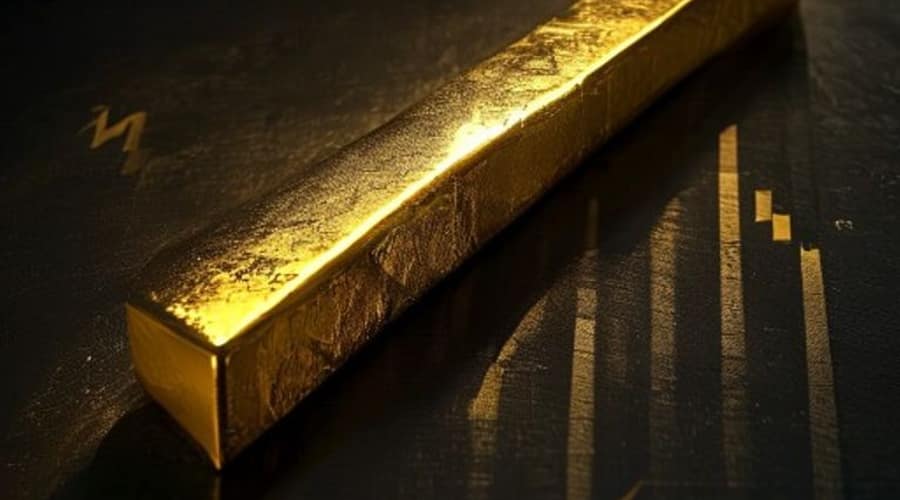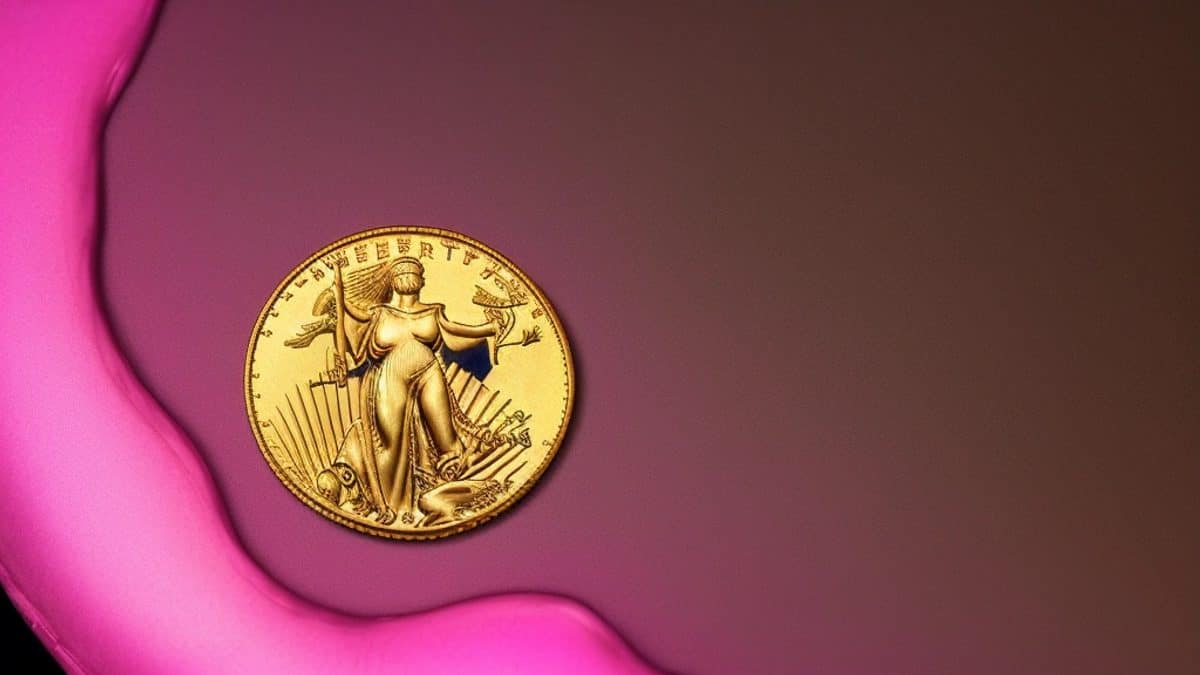
Copper sulfate staining discovered on newly shipped 2026 American Gold Eagles and kilogram bars has triggered a wave of returns, a secondary market premium spike, and renewed questions about quality control at a moment when physical gold demand is near record highs.
The unboxing videos started going viral in mid-April. Precious metals collectors cracking open factory-sealed packages from APMEX and JM Bullion found something they did not expect: red and rust-colored spots scattered across the surfaces of their newly delivered 2026 American Gold Eagles and various one-kilogram bars from private mints. Within days, the phrase "red spots on gold bar" was trending across Reddit's r/Silverbugs and r/Gold communities as well as X, pulling in investors who wanted answers before their own orders arrived.
Metallurgists and numismatic experts have identified the culprit as residual copper sulfate, most likely introduced during the planchet production or washing phases of the minting process. The United States Mint has acknowledged "minor cosmetic inconsistencies" in initial April batches, language that has done little to calm a community already primed for skepticism. Gold Eagles are a 22-karat alloy containing 91.67% gold with copper and silver making up the remainder, so trace copper compounds are an inherent part of the coin's chemistry. The visible staining, however, points to a breakdown in quality assurance that should have caught surface contamination before packaging.
The good news, confirmed by multiple assayers, is that the staining is purely cosmetic. Gold content is unaffected, and melt value remains identical to any other 2026 Eagle of the same weight. For investors buying strictly as a hedge and planning to liquidate through a dealer or refinery, the spots present no financial loss in that narrow sense. The harder reality is that physical gold does not trade purely on melt value. Condition matters significantly in both the collector market and the secondary dealer market, and anything that introduces ambiguity about a coin's grade or provenance creates friction.
Secondary market premiums for confirmed spot-free 2026 inventory have already jumped by roughly three to five percent as buyers move to protect themselves from receiving affected stock. Meanwhile, collectors are actively seeking backdated inventory from 2024 and 2025 to sidestep the issue entirely, pulling older supply off the shelves at a moment when new supply is compromised. Primary distributors are reporting a meaningful surge in return requests that is adding operational pressure to supply chains already stretched by gold spot prices hovering near historic highs.
A Pattern the Industry Has Seen Before
Anyone who followed silver markets through the 2010s will recognize the shape of this crisis. Milk spots on silver coins, caused by similar contamination issues during minting, became a persistent source of frustration for collectors and a genuine drag on secondary market confidence before improved washing and drying protocols brought the problem largely under control. The parallel is instructive: milk spots never changed the silver content of affected coins, but they hammered collector grades and introduced years of uncertainty about long-term storage quality. The gold market is now running the same playbook in fast-forward.
The difference is scale and timing. Gold spot prices above recent record levels mean that the dollar volume of affected inventory is substantially higher than comparable silver incidents, and the retail investment surge that has characterized the past 18 months has brought a large cohort of newer buyers into the market who may not have the historical context to separate a cosmetic issue from a fundamental one. That inexperience creates both a risk of overreaction and an opportunity for bad actors in the secondary market to mislabel affected coins.
What to watch now is how quickly the Mint and major private mints move to clarify their remediation process and whether distributors implement any kind of certification or inspection protocol for outbound 2026 inventory. If the spotting is isolated to early April production runs, the crisis could resolve within weeks once cleaner batches reach retail. If it persists into May shipments, the secondary premium on spot-free stock will likely widen further and the reputational damage will take considerably longer to repair. Investors sitting on affected coins should verify melt value is intact, hold if storage conditions are stable, and resist panic selling into a secondary market that is already pricing in the uncertainty.
Also read: Gold fever is running hot again as prices and discovery headlines pull investors back to the oldest safe haven • Gold fever is running hot again as prices and discovery headlines pull investors back to the oldest safe haven • A surge of exquisite 20th-century gold counterfeits is exposing the blind spots of the secondary precious metals market