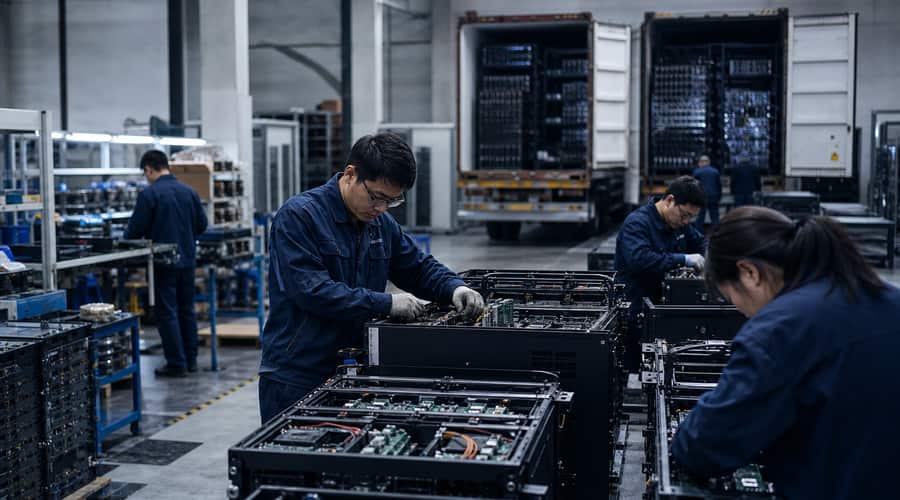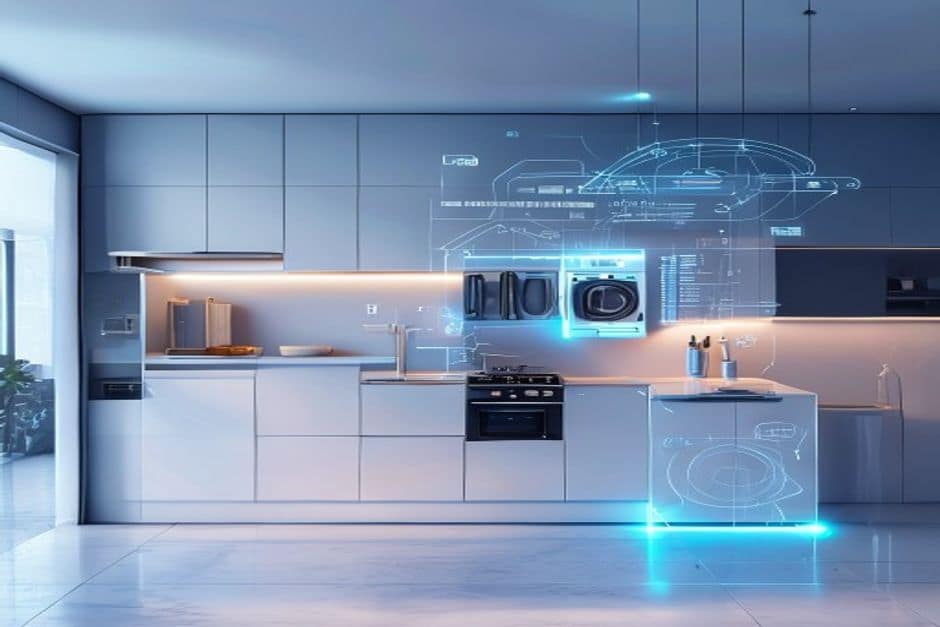
Samsung is quietly embedding AI across its entire home appliance lineup, and the move signals something bigger than feature upgrades , it's a bid to make the household itself a data and intelligence platform.
Most conversations about AI in consumer hardware start and end with phones and laptops. Samsung is betting that framing is too narrow. The company has been rolling out AI capabilities across its refrigerators, washing machines, ovens, and air conditioners, tying them into its SmartThings ecosystem in ways that go well beyond voice commands and app controls. The pitch isn't just convenience. It's that your appliances should learn your household's patterns, anticipate needs, and eventually coordinate with each other without you having to manage any of it. Whether that vision holds up under scrutiny is a different question, but the infrastructure Samsung is building to pursue it has real implications for everyone trying to compete in the smart home space.
The specific features Samsung has been highlighting include AI-powered laundry cycles that adjust water temperature and spin speed based on fabric detection, refrigerators that track food inventory and suggest recipes, and air conditioning units that learn occupancy patterns to optimize cooling without manual scheduling. The company's Bespoke AI appliance range, which expanded significantly heading into 2025 and continued rolling out through early 2026, positions these as standard features rather than premium add-ons. That framing matters because it sets a baseline expectation for what a modern appliance does, and raises the bar for every competitor trying to sell into the same category.
One of the more consequential technical questions Samsung has not answered with much clarity is where the actual inference happens. Some of the simpler pattern-recognition tasks, like detecting fabric type from sensor readings, can run on low-power edge chips embedded in the appliance itself. But the more ambitious features, particularly anything involving natural language interaction through SmartThings or coordinated behavior across multiple devices, almost certainly depend on cloud processing. That distinction matters enormously for privacy, latency, and what happens to the feature set when Samsung eventually decides a device is too old to receive updates.
This is the same tension that has plagued smart home products since Nest's early days. The device you buy is partly a hardware purchase and partly a subscription to a cloud service, whether or not that's how it's marketed. Samsung has financial incentives to keep users inside its ecosystem, which means the intelligence layer is as much a retention mechanism as it is a genuine utility. That's not cynicism , it's just how platform economics work, and understanding it is essential for any startup trying to find a wedge in this market.
Where the startup opportunity actually sits
The instinct for smart home startups when a giant like Samsung moves aggressively into AI features is to panic or pivot. Neither is quite right. Samsung controlling the device surface and collecting household behavioral data does close off some obvious plays, but it opens others. The company is building a wide platform, not a deep one. Its AI features need to work across hundreds of appliance models in dozens of markets, which means they will always be more general than specialized. A startup focused narrowly on energy optimization for a specific building type, or predictive maintenance for commercial kitchen equipment, or voice-agent interfaces tailored to elderly users, can go deeper than Samsung ever will on that vertical.
The more serious structural challenge is data access. Samsung's SmartThings platform accumulates a remarkably detailed picture of household behavior: when people wake up, what they eat, how often they run laundry, whether anyone is home during the day. Third-party developers can access some of this through the SmartThings API, but Samsung controls what gets shared, how, and on what terms. A startup building a complementary product in this ecosystem is, to some extent, building on land Samsung owns. That calculus hasn't changed much since the app store era, but it's worth being clear-eyed about it before committing a product roadmap to a platform dependency.
The companies with the most interesting positions in this landscape are probably not the ones building more AI appliance features. They're the ones working on the layer underneath: provenance and consent infrastructure for household data, interoperability standards that reduce lock-in across device brands, or energy management systems that can talk to the grid regardless of which manufacturer made the thermostat. Matter, the cross-brand smart home protocol backed by Apple, Google, Amazon, and Samsung itself, was supposed to solve the interoperability problem, but adoption has been slower and more fragmented than its backers projected. That gap is still a real opportunity.
Samsung's appliance AI push is also a preview of a broader shift in how consumer hardware companies think about their relationship with customers after the point of sale. The device isn't the end of the transaction anymore; it's the beginning of a data relationship. Startups and investors who treat that shift as background noise are likely to find themselves on the wrong side of several platform decisions they didn't see coming. The household is becoming an AI endpoint. The question worth asking now is who controls the intelligence layer running inside it, and whether anyone other than the device manufacturer has a realistic shot at that position.
Also read: AI music is flooding streaming platforms and the royalty system was never built to handle it • Autonomous Long-Running Coding Agents Are Becoming a Developer Tool Default and Startups Are Not Operationally Ready for What That Means • The AI Industry's Information Vacuum Is So Complete That Observers Have Started Doing Cold War Style Intelligence Analysis on Tech Campuses