RLWRLD is capturing the movements of skilled workers to train more capable robots, and the bigger question is who owns the value of that human expertise.
David Park is not just folding napkins at Lotte Hotel Seoul anymore. With cameras strapped to his head, chest and hands, the food and beverages manager is helping teach machines how human work actually happens, one small movement at a time.
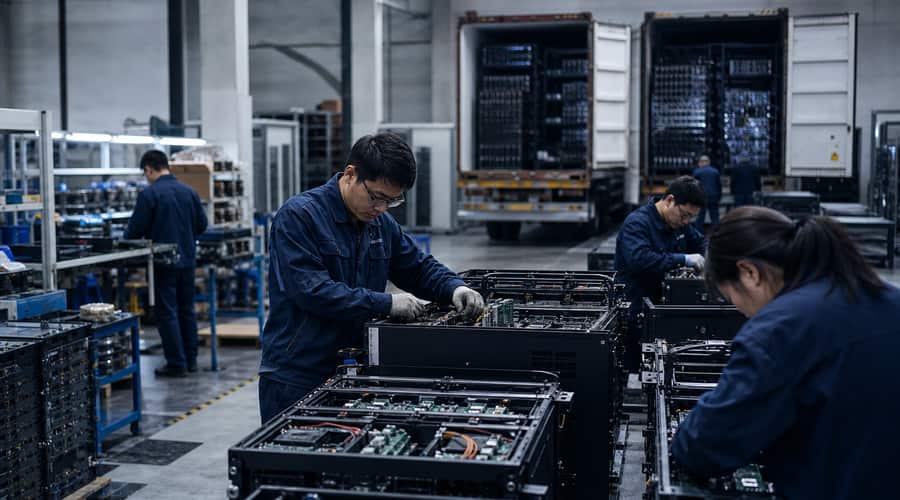
That is the heart of RLWRLD's bet. The South Korean AI startup is building what it calls brains for robots by recording skilled workers in real workplaces, then turning their motions into training data. In hotels, warehouses and retail aisles, the company is trying to capture the judgment that usually disappears into muscle memory: how firmly someone grips a glass, how a worker angles a wrist, how much force is needed to lift, fold, wipe, sort or stock without breaking the thing being handled.
According to the Associated Press, RLWRLD is working with Lotte Hotel Seoul, logistics workers at CJ and staff at Japan's Lawson convenience stores to build a library of human techniques. Engineers convert footage into machine-readable data covering motion, grip, joint angles and applied force. They then add another layer by repeating tasks with cameras, VR headsets and motion-tracking gloves, using the combined data to train robots and robot pilots.
The interesting detail is not that robots are coming for warehouses or hotel back rooms. That has been obvious for years. The harder problem is dexterity. A robot that can move fast across a factory floor is impressive, but a robot that can handle cups, clean a minibar, fold linen, pack goods and work around fragile objects is far more useful to service businesses.
Most industrial robots were built for repetition. They weld, lift, stack and move in controlled environments where the task is defined and the variables are limited. RLWRLD is chasing something messier. Its focus on five-fingered robotic hands reflects the belief that humanoid machines will need a closer version of human touch if they are going to work in hotels, stores, homes and mixed-use workplaces where every object is not designed for a gripper.
The current gap is still large. Lotte Hotel has said a humanoid robot might need several hours to clean a guest room that a human worker can finish in around 40 minutes. That matters because business adoption depends on usefulness, not demo videos. A robot that is slower than a person can still have value if it handles repetitive back-of-house work overnight, covers labor shortages or reduces physical strain. But it is not a simple replacement story yet.
Human skill becomes infrastructure
South Korea's government is leaning into this market because physical AI sits neatly between its manufacturing base, semiconductor strength and industrial automation ambitions. The country is backing a $33 million initiative to digitize the skills of master technicians, while Hyundai and Samsung are expected to widen robot deployments toward the end of this decade.
That turns worker expertise into a strategic asset. For decades, companies paid workers for time, output and experience on the job. Now the same experience can become data that trains systems across many locations and, eventually, many employers. A hotel worker's method for preparing a banquet room could inform a robot used in logistics. A warehouse worker's lifting pattern could help a machine operate in retail. Once skill becomes portable software, the economics change.
This is where the labor question becomes sharper than the usual argument about automation. If a worker's movements are recorded once a month, cleaned up by engineers and used to improve a commercial robot model, is that simply part of the job, or is it a new kind of intellectual contribution? Employers may see it as process data gathered on company time. Workers and unions may reasonably see it as expertise being harvested for future automation revenue.
The answer should not be left to vague consent forms. Companies using this data will need clear rules around notice, compensation, reuse and deletion. Workers should know whether their movements train a robot only for their employer, for RLWRLD's broader model, or for customers in entirely different industries. Unions should push for job-transition funds, retraining guarantees and data-use agreements before the technology becomes too embedded to negotiate properly.
There is also a practical business reason to treat workers as partners rather than passive data sources. High-quality robotics data depends on cooperation from people who know the task better than anyone else. If employees believe they are helping build systems that will weaken their bargaining power without sharing in the upside, the data pipeline gets harder to sustain. If they are paid, credited and protected, companies get better participation and less resistance.
For startups, RLWRLD's work points to a broader AI market beyond chatbots and coding tools. The next valuable datasets may not come from the internet at all. They may come from the worker who knows exactly how to polish a glass without leaving streaks, pack a box without damaging the contents or arrange a shelf so customers actually buy from it. The next thing to watch is whether businesses treat that knowledge as disposable labor, or as the training asset that makes physical AI possible.
Also read: MoonPay is turning AI agents into crypto trading infrastructure • Microsoft's OpenAI bet now looks like venture capital at hyperscale • GitLab is cutting jobs to fund its bet on AI agents