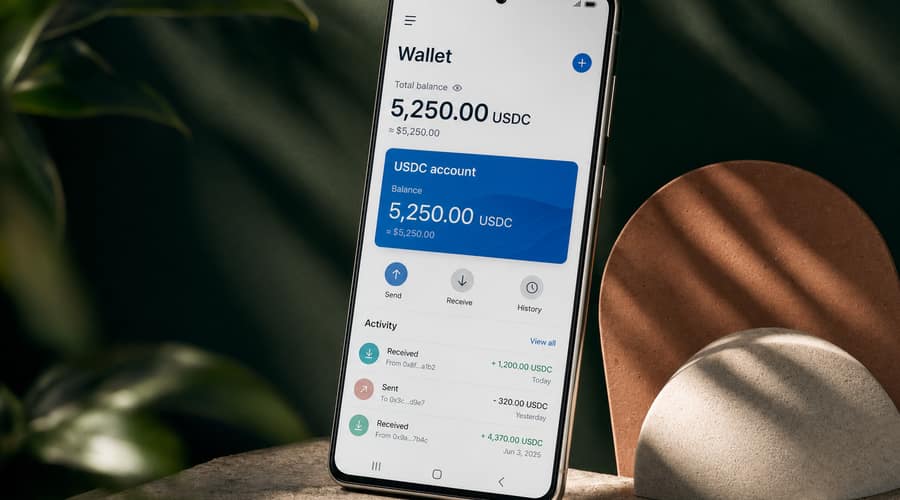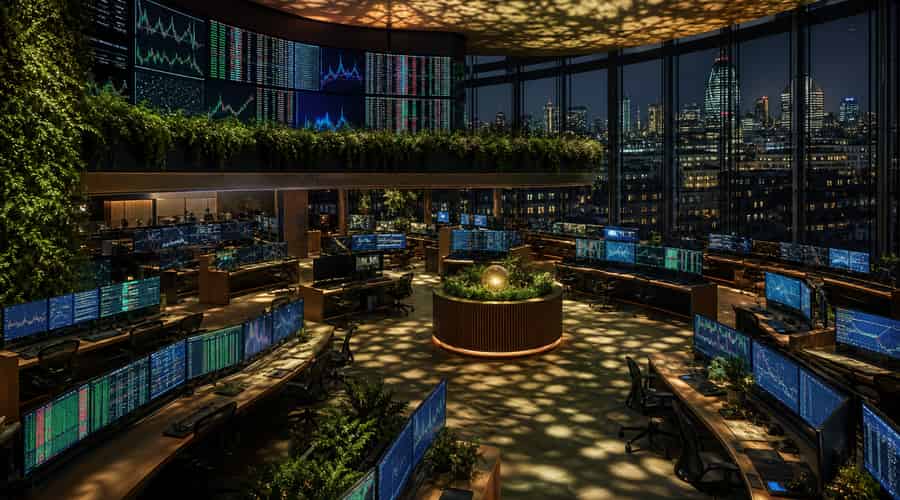
LSEG is building LSE 24 for a market where software keeps working after people have gone home. The trading day is being rebuilt around machines, not around the closing bell.
The London Stock Exchange traces its history back to Jonathan's Coffee House in 1698. Three centuries of one basic rhythm. Markets opened, people traded, markets closed - and that was that. The rhythm is now cracking: on July 21, LSEG announced LSE 24, a separate venue that will run from 17:00 to 07:50 London time Monday to Friday, with a 30-minute pause between 18:30 and 19:00 for end-of-day processing.
Read that carefully. The Main Market keeps its 08:00 to 16:30 trading day, which London Stock Exchange still lists as its standard hours. LSE 24 sits beside it. It starts with exchange-traded products in the first half of 2027, subject to regulatory approval, and client testing is due by the end of 2026. Equities may come later. The point is not just that London wants longer hours. The point is who those hours are for.
The customer is software.
LSEG's own announcement says LSE 24 is designed to support digital, algorithmic and agentic trading. It also says the venue will enable native connectivity for agent-based trading capabilities, letting clients interact with market data, order management and execution workflows in more automated ways while keeping regulated-market controls in place. That is a dry sentence with a large consequence inside it: the exchange is preparing for trading systems that don't need a person at a desk at 02:00 to make the next move.
London joins the overnight race
LSE 24 didn't appear from nowhere. In the United States, the SEC approved Nasdaq's plan in April 2026 to extend trading in NMS stocks to 23 hours a day, five days a week. Nasdaq has said the expanded session is expected to begin on December 6, subject to DTCC and SIP readiness. NYSE Arca moved first, with NYSE saying it received SEC approval in February 2025 to extend trading hours and is preparing for a targeted launch in 2026.
London is not copying those venues exactly. Nasdaq and NYSE Arca are extending existing U.S. equity market hours. LSE 24 is being set up as a separate venue, beginning with ETPs and drawing on central limit order book and request-for-quote functionality. That distinction matters because a new venue can be shaped around automation from the start, instead of treating automated trading as something bolted on after the market day has already been stretched.
According to The Block, TD Cowen analysts Lance Vitanza and Jonnathan Navarrete argued that the real importance of LSE 24 lies in its connection to LSEG's Digital Securities Depository and its emphasis on agent-based trading workflows. That is the right read. Longer hours are the headline. The plumbing is the story.
You should care about the plumbing.
The hours between the London close and the next morning open are not empty anymore. U.S. earnings land after London traders have gone home. Asian markets move while Europe sleeps. Crypto taught investors, for better and worse, that markets can trade continuously and that price discovery doesn't wait for local office hours. If you're running capital across time zones, a venue that shuts for the night starts to look less like discipline and more like friction.
The settlement piece is harder
LSEG had already signalled where it wanted to go. In February 2026, the group announced plans to build its Digital Securities Depository, an on-chain settlement capability for institutional market participants. LSEG said the DSD would connect traditional and digital markets, support multiple chains, and interact with existing settlement platforms and emerging digital infrastructure. The first deliverable is planned for 2026, again subject to regulatory approval.
That doesn't mean LSE 24 will suddenly move ordinary share trading onto a blockchain. TD Cowen made the same caution, according to The Block: the announcement doesn't say LSE 24 will replace existing market structures or shift conventional securities trading wholesale onto blockchain infrastructure. Good. That kind of claim would be too neat, and too early.
What LSEG is actually doing is more practical. It is linking extended-hours trading, automated workflows and future digital settlement capability into one architecture. LSE 24 is expected to draw on the DSD, which LSEG says will help digitise issuance, settlement and asset servicing. If that works, the benefit is not a slogan about tokenisation. It is faster post-trade processing, broader access to instruments that fit poorly into old settlement routines, and fewer excuses for manual overnight workarounds.
The risk is obvious. Thin markets move strangely. Overnight liquidity can be patchy, and automated systems can amplify mistakes when no one is paying close attention. The Financial Stability Board warned in June that agentic AI in finance can amplify systemic risks and urged boards to put safeguards around systems that plan and execute tasks with limited human oversight. LSE 24 will live inside a regulated market framework, but regulation doesn't make automation harmless. It gives you a place to control it.
Retail investors are part of the story, especially those outside European time zones who want access to London-listed ETPs without trading around a narrow UK day. But the deeper force is institutional. If Nasdaq moves toward 23/5 trading and London builds a venue explicitly around automated connectivity, asset managers and trading technology firms have to decide whether their overnight processes are real infrastructure or just people patching gaps.
Three hundred years of exchange history created a simple assumption: markets pause when people do. That assumption is gone. LSEG is not saying every security will trade all night from 2027. It is saying the next version of exchange infrastructure has to be ready for participants that never sleep.
Also read: JPMorgan says the 40-year era of cheap capital is structurally over and every startup valuation was priced assuming it wasn't • Tesla posted a $1.1 billion free cash flow deficit and investors finally stopped giving Musk the benefit of the doubt • Trump's crypto fortune may be the thing that kills the crypto bill he champions