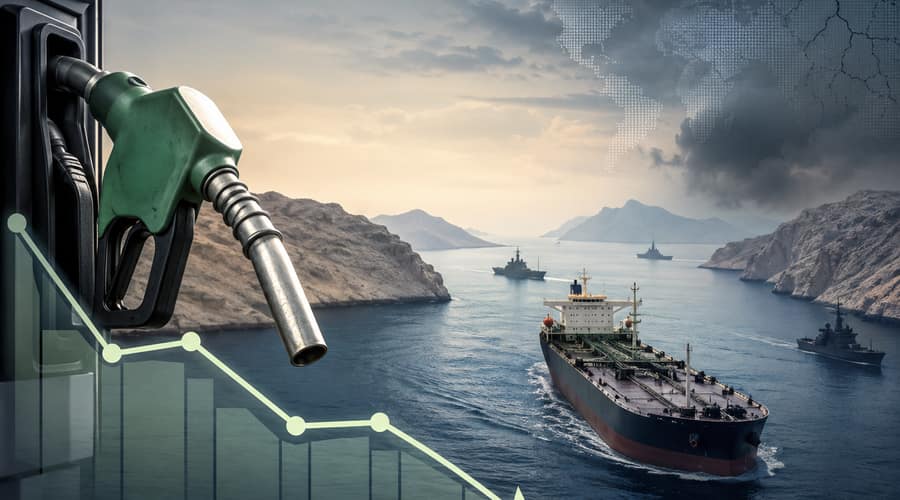
Treasury Secretary Scott Bessent projects US gas prices could fall to $3 per gallon by late summer 2026, but ongoing volatility in the Strait of Hormuz and stark warnings from energy analysts suggest the path to relief is far from guaranteed.
A US gasoline price tag of $3 per gallon feels like a distant memory right now. Since open conflict between the US, Israel, and Iran escalated in March 2026, the national average has surged past $4, mirroring the painful peaks last seen during the 2022 energy crisis. The primary culprit is a massive supply shock triggered by the effective blockage of the Strait of Hormuz, a narrow waterway that normally handles roughly a fifth of global oil trade. With Brent crude hovering above $90 per barrel, businesses and consumers are feeling the squeeze. As Crypto Briefing recently highlighted, a permanent reopening of this critical passage is the linchpin for bringing those costs down.
The Treasury Department is banking on exactly that outcome. Secretary Bessent publicly projected that rapid normalization following a ceasefire could push prices back to $3 by September. On paper, the math works. When reports surfaced on April 17 that commercial traffic would resume through the strait, oil markets reacted instantly, with crude prices dropping below $91 a barrel.
The reality on the water, however, is far messier than a press release. As of April 19, shipping data revealed that Iran continues to fire on commercial vessels attempting to cross the passage. Traders are acutely aware that a fragile ceasefire does not immediately erase the physical risk to oil tankers. Because of these continued hostilities, the risk premium on crude remains stubbornly high. Ships need safe passage to clear massive logistical bottlenecks, and until insurance companies and maritime operators are fully confident, the flow of crude will stay restricted.
Even if the shooting stops tomorrow, the supply chain requires significant time to catch up. The US Energy Information Administration warned on April 7 that fuel prices could keep rising for months even if Hormuz officially reopens. Refineries must process incoming crude, and domestic fuel inventories, which were drained to meet demand during the crisis, require time to replenish.
Government data tells the story of a delayed reaction. The EIA anticipates that prices might not fully stabilize to historical norms until 2027. That timeline reflects the physical limitations of global shipping, where tankers must traverse thousands of miles to deliver their cargo, and refineries must operate at maximum capacity just to replace depleted reserves. It is a complex industrial dance that cannot be completed overnight just because a ceasefire is declared.
The Macro Stakes and What to Watch
Energy costs ripple through every sector of the economy, including digital assets. Cryptocurrency markets often serve as a barometer for macroeconomic sentiment, and sustained high oil prices typically fan inflation fears. When inflation runs hot, risk assets like Bitcoin and Ethereum tend to face downward pressure as institutional investors shift their capital toward safer havens. A drop in gas prices would signal easing inflation expectations, potentially freeing up capital to flow back into growth-oriented investments.
Bessent's $3 target is certainly the best-case scenario for consumers, but it completely depends on two variables: a total end to hostilities in the Persian Gulf, and a rapid replenishment of refined fuel inventories before summer driving demand peaks. Summer travel historically exerts upward pressure on prices, making the timeline even tighter.
For investors and entrepreneurs, the actionable takeaway is to monitor the actual shipping traffic in the Strait of Hormuz rather than political rhetoric. If commercial vessels begin transiting safely at normal volumes, the commodities market will price in a recovery well before local gas stations drop their rates. If the attacks on tankers persist, however, expect the EIA's pessimistic 2027 timeline to become the baseline forecast.