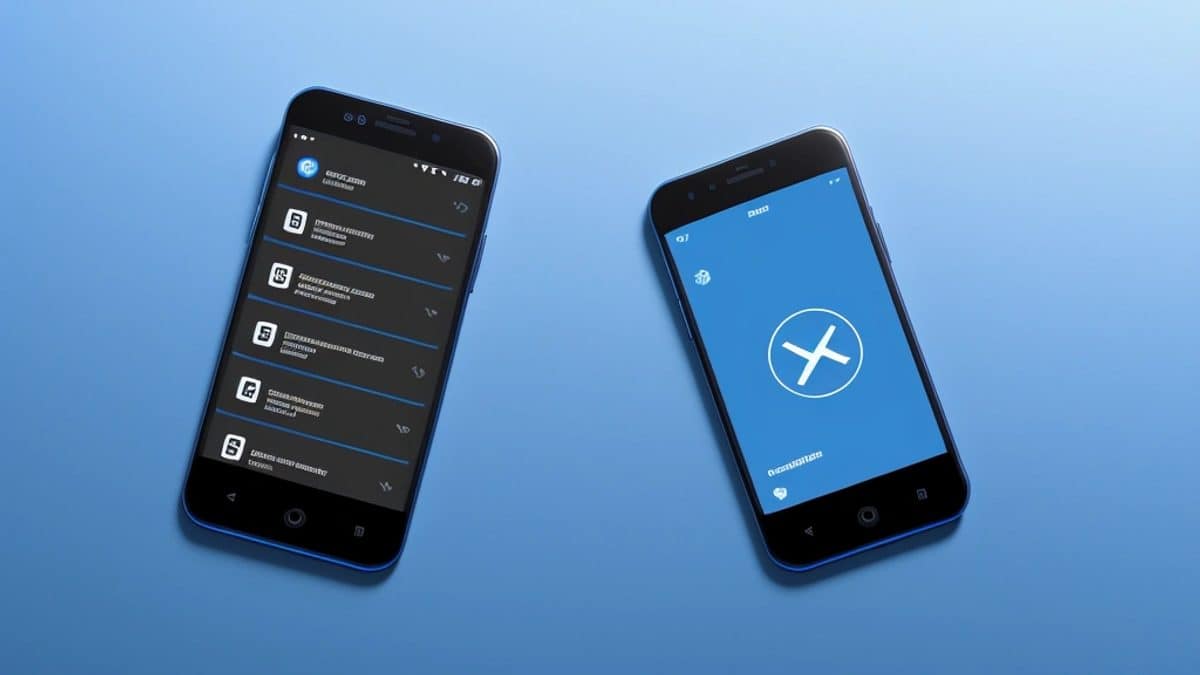
X is launching XChat as a standalone iPhone and iPad app on April 17, giving Musk's platform its first dedicated messaging product and a direct shot at iMessage and WhatsApp territory.
Mark your calendar: April 17 is when X officially separates its messaging layer from the main app and drops XChat on the Apple App Store. The confirmed release date, paired with design previews that started circulating this week, makes this one of the more concrete product launches X has telegraphed in a while. For a platform that has spent the past two years restructuring, rebranding, and repositioning, shipping a standalone chat app is a meaningful signal that the everything-app ambition is still very much alive.
The design previews show a clean, minimal interface that leans into familiar conventions without feeling derivative. Think iMessage's simplicity crossed with Telegram's feature density , there are threading cues, a media-forward layout, and what appears to be a dedicated space for voice and audio messaging. Nothing in the previews looks revolutionary, but that may be intentional. XChat seems designed to be immediately comfortable for anyone who already lives in a messaging app, which is essentially everyone.
What makes this launch strategically interesting is the timing relative to X's broader payments push. Musk has been public about wanting X to become a financial platform, and a standalone messaging app creates a more direct pipe for that. Peer-to-peer payments tucked inside a chat thread feel natural in a way that payments buried inside a social feed never quite did. If XChat ships with even rudimentary payment functionality at launch, that changes the competitive framing entirely , this isn't just a WhatsApp competitor, it's an early move on Venmo and Cash App ground.
The iPhone and iPad release naturally raises the question of what comes next for Android and desktop. X hasn't confirmed a broader rollout timeline, but launching iOS-first is a standard playbook move: Apple's App Store gives you a curated, higher-spending user base to stress-test with before scaling. It also generates the kind of press coverage that an Android simultaneous launch rarely amplifies in the same way. Expect an Android announcement within weeks if the iOS reception is warm.
There's a real trust problem X will have to navigate, though. A messaging app lives or dies on the belief that your conversations are private and your data isn't being strip-mined for ad targeting. X's track record since the 2022 acquisition has not been spotless on user trust metrics, and encrypted messaging in particular demands a level of credibility that has to be earned rather than asserted. The design previews haven't shown anything explicit about end-to-end encryption, and that gap is going to draw scrutiny from privacy advocates and tech press alike the moment XChat goes live.
From a market standpoint, the standalone app move is also a defensive play. By keeping DMs inside the main X app, the platform was always one bad news cycle away from users drifting to Signal or Telegram for sensitive conversations. A dedicated chat app, with its own icon on a home screen, creates habitual engagement that is much stickier than a buried tab in a social platform. Retention economics in messaging are brutal , once someone installs WhatsApp or iMessage becomes their default, dislodging them is genuinely hard , so X is smart to make a clean, standalone bid rather than hoping integrated DMs would be enough.
The creator and professional community angle is worth watching too. X has been cultivating a paid subscriber base through X Premium, and there's a natural extension where XChat becomes a channel for creator-to-fan direct messaging, gated conversations, or even subscription-based group chats. None of that is confirmed, but the architecture of a standalone messaging app makes those features far easier to bolt on than they would be inside the main social feed product.
April 17 is six days away. The real test isn't the launch itself , it's whether XChat can hold user attention past the first week. Messaging apps are one of the few digital product categories where network effects are nearly everything: if the people you want to talk to aren't on it, no amount of clean UI design closes that gap. X has the advantage of an existing user base in the hundreds of millions, which gives XChat a warmer start than any cold-launch competitor could claim. Whether that translates into genuine daily active usage, or whether XChat becomes a novelty that people open once and forget, will tell us a lot about how seriously to take the everything-app roadmap going forward.