
Affiliate marketing remains one of the most accessible entry points into digital commerce, yet most beginners quit before making their first sale because they underestimate the learning curve involved.
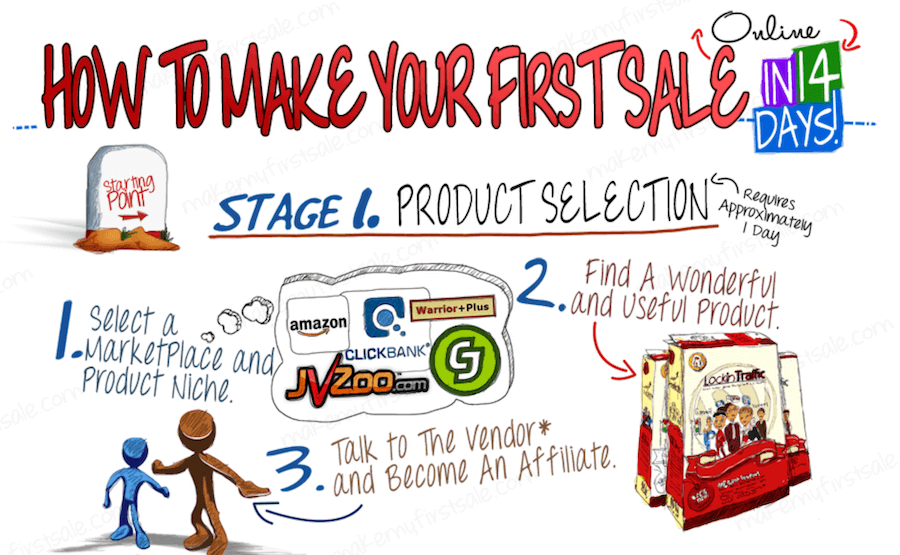
We all want to get into digital commerce and start some kind of business on the internet. The appeal is obvious: low overhead, flexible hours, and the potential to earn money while you sleep. But the gap between wanting to start and actually making that first dollar is wider than most people expect. Here's an infographic I created about eight years ago based on an affiliate marketing case study that I did myself. The principles behind it still hold up today, which says something about how little the fundamentals of selling online have changed.
Affiliate marketing is considered the easiest way to start doing online business. You don't need to create a product, manage inventory, or handle customer support. Your job is to connect interested buyers with products they already want. But the complicated learning phases could make people walk away from it before they ever see results. Understanding how traffic works, what converts visitors into buyers, and how to build trust with an audience takes time and patience that most newcomers simply aren't prepared for.
The scope and profit potential in affiliate marketing is much bigger over the internet than most people realize. According to a report from Statista, affiliate marketing spending in the United States alone has been growing steadily year over year, reflecting how brands continue shifting their advertising budgets toward performance-based models. This creates real opportunities for individuals willing to learn the mechanics behind it.
An infographic is by far the best way to demonstrate any idea or marketing plan. As it is a visual representation of information, data and knowledge, the viewer gets a very clear idea about whatever the graphic is built for. That could be the main reason why I chose this particular medium instead of a video or ebook to teach newbies how to make their first sale online. People absorb visual information differently than text. A well-structured graphic can walk someone through a multi-step process without overwhelming them.
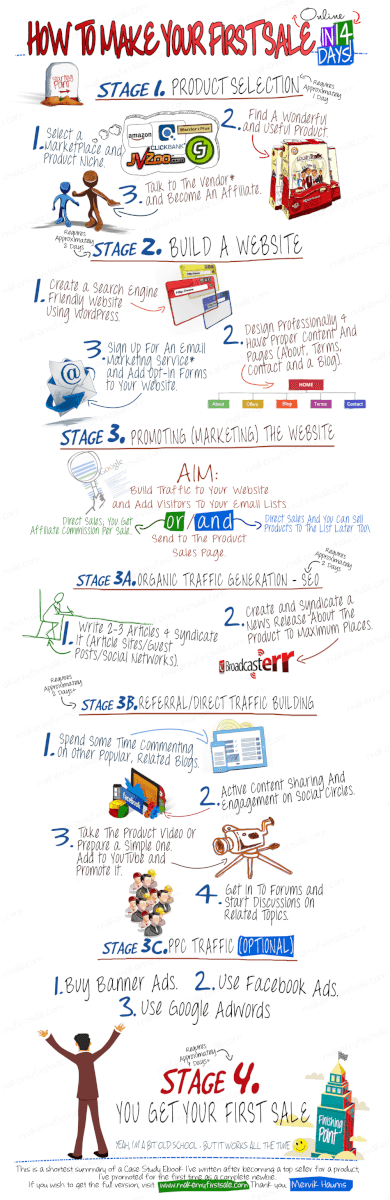
Everybody wants to know how to sell online. But only a very few people actually understand the steps associated. Mervik Haums presented the infographic with the intention of providing a complete, free training on How to Make Your First Sale. It explains the different steps or phases in making one's first sale online. The infographic visualizes three main stages to reach the fourth and final stage of starting to sell online. Each stage builds on the previous one, which is critical because skipping steps is exactly what causes most beginners to fail.
The graphic shows how exactly to promote a website through organic traffic generation, referral and direct traffic building, and pay per click traffic. Organic traffic comes from search engine optimization and content creation, which takes longer but costs nothing upfront. Referral traffic builds through relationships and community engagement. Pay per click offers immediate results but requires careful budget management to avoid burning through cash without conversions.
It also explains why steps like spending time commenting on popular and related blogs, having active engagement in social circles, and building genuine connections are so important. These activities aren't just busywork. They establish credibility and create pathways for people to discover your content naturally. The infographic suggests adding a product video to YouTube and promoting it, and starting discussions in forums on related topics. These tactics still work because they're rooted in basic human psychology: people buy from those they trust, and trust comes from consistent, helpful presence.
What separates those who succeed in affiliate marketing from those who don't is rarely talent or resources. It's consistency. Following a proven process, measuring results, and adjusting based on what the data tells you. The first sale is always the hardest. After that, you refine what worked and do more of it.
Also Read: Reasons to Get Started With DeFi