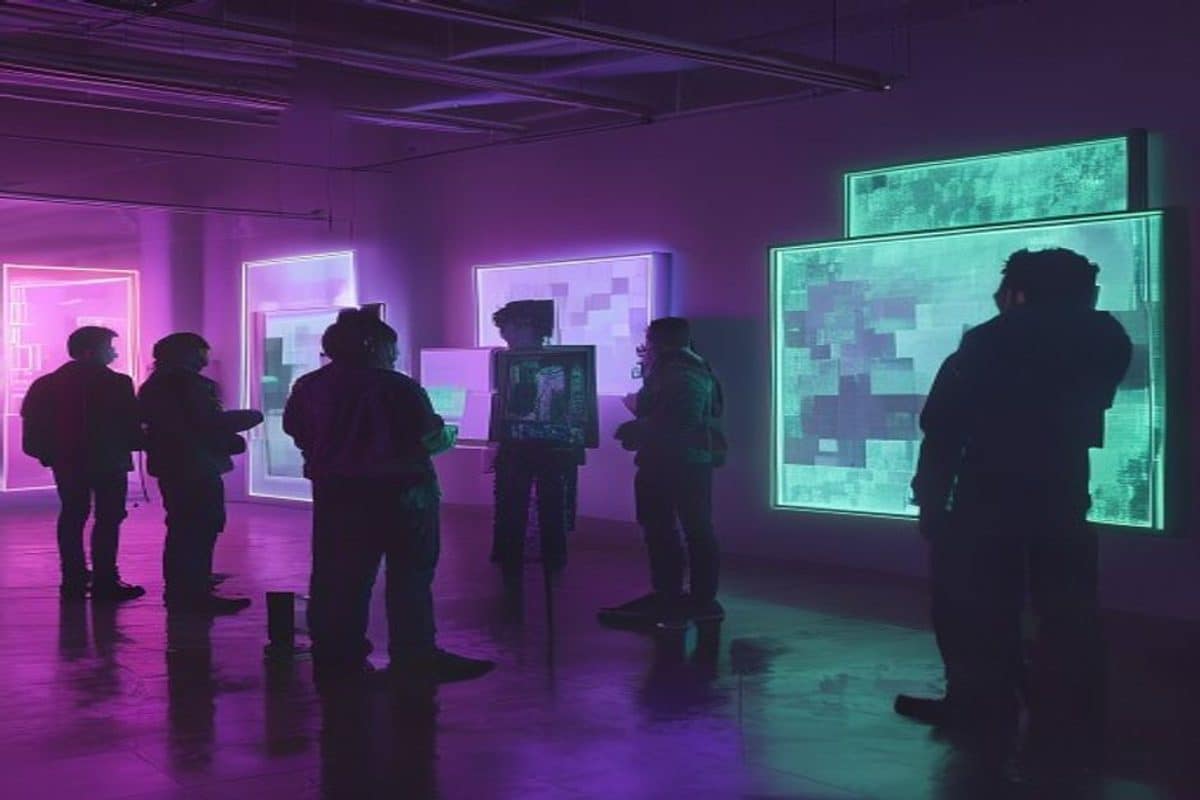
Three years after the hype cycle collapsed, the NFT market is finding stable ground , not through a new boom, but through the communities that never left.
The floor price obsessives are gone. So are the profile picture flippers who treated Ethereum-based JPEGs like lottery tickets during the 2021 frenzy. What remains in 2026 is something the original NFT pitch always promised but rarely delivered: a genuine collector culture, grounded in community loyalty, intellectual property, and the kind of long-term thinking that makes any asset class actually work. The market contracted by over 90% from its peak , and it turns out that was the point where things got interesting.
This is not a recovery story in the traditional sense. Daily trading volumes across major platforms remain a fraction of what they were during the speculative peak. But the metric that matters more right now is hold time, and on that front the data from aggregators like Nansen and CoinGecko tells a quietly optimistic story. Collectors in established communities are holding longer, not because they're stuck, but because they've recalibrated what ownership of an on-chain asset actually means to them.
Pudgy Penguins is probably the clearest example of what survival looks like in this environment. The project has leaned hard into physical retail , its branded toys have maintained shelf presence in major retail chains, and that tangible footprint has kept community engagement unusually high even as secondary market volumes normalized. The penguin isn't just a wallet avatar anymore; it's closer to a licensed character with a fanbase. Azuki has pursued a similar IP-centric model, building toward brand partnerships and merchandise rather than relying on speculative trading to sustain community interest.
What both projects understood, and what many of their 2021 contemporaries did not, is that culture requires investment beyond the mint. The projects that survived the crypto winter were the ones with founders who treated their communities like constituents rather than exit liquidity. That sounds basic, but it was genuinely rare during the hype cycle.
Infrastructure caught up when the tourists left
The technical landscape has also shifted in ways that make the current environment structurally healthier. Ethereum's scaling upgrades, largely completed through 2025, brought gas fees down to a level where generative art drops on platforms like Art Blocks no longer require speculative pricing just to cover minting costs. That changes the creative economics entirely. Artists can experiment with large-scale generative releases without needing a whale-driven frenzy to make the numbers work, and collectors can buy in without betting on a flip to justify the transaction cost.
Marketplace dynamics have shifted too. OpenSea's near-monopoly on NFT trading has eroded significantly, with creator-friendly alternatives like Blur and Tensor gaining ground. The significance of that shift is less about market share and more about incentive structure: platforms competing for creators tend to offer better royalty enforcement and discovery tools, which over time attracts serious artists and serious buyers rather than pure arbitrageurs.
Regulatory cleanup also played a role, even if it arrived painfully. The collapse of FTX in late 2022 was catastrophic in the short term, but the subsequent regulatory pressure in major markets forced a reckoning that ultimately removed a significant number of bad actors from the ecosystem. The collectors who stayed through that period are, almost by definition, not here for a quick trade.
What the next chapter looks like
The honest framing for where the NFT market sits in April 2026 is: functional, mature, and small. It is no longer a cultural moment that everyone is supposed to have an opinion on. It has become a niche with staying power , closer in texture to the fine art market or the vintage trading card space than to the attention-economy spectacle it briefly became. That is arguably what digital ownership always needed to be to survive.
The signal to watch going forward is whether IP-centric projects can convert their community loyalty into revenue streams that exist meaningfully outside of crypto market cycles. If a Pudgy Penguins or an Azuki can generate licensing income that holds up regardless of ETH price movements, that would represent something the space has never had: a business model that doesn't depend on the next bull run to justify its existence. That's the test, and the next twelve months will start to answer it.
Also read: A new study finds most American crypto holders have never properly reported their digital asset gains to the IRS • Changpeng Zhao publishes his memoir and dares the crypto world to see him whole again • Blueshift is under pressure to kill its Quasar Framework as Solana faces a systemic reckoning