Elroy is a digital marketer and developer from Goa, with over a decade of experience web development and marketing. He has been associated with several startups and serves currently as an Editor to the Asia Pacific Industrial magazine. He occasionally writes on Startup Fortune about technology and automation.
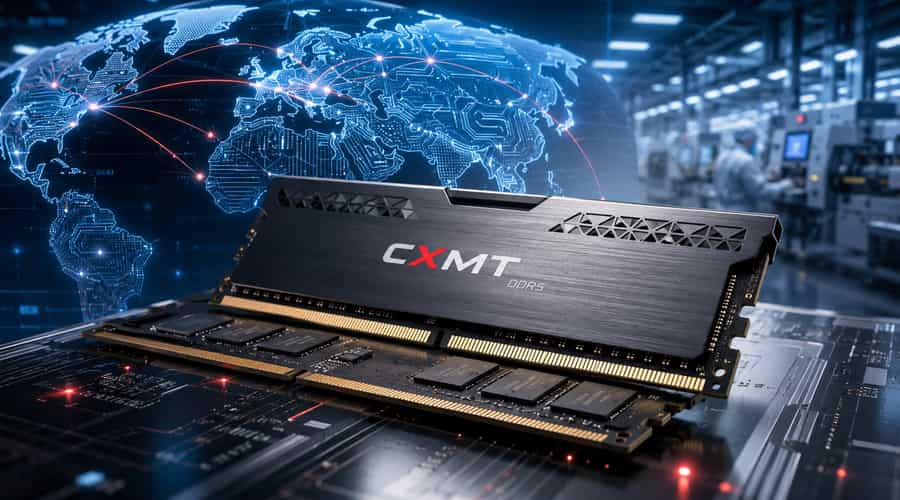
Corsair’s Vengeance DDR5 kit using CXMT chips shows Chinese DRAM moving into mainstream branded hardware. For startups, the real question is whether new supply can ease AI-driven memory costs or provoke fresh trade scrutiny.
Leaked screenshots of OpenAI's unreleased GPT-5.6 suggest the company may be testing a cleaner, more organized interface as it builds on GPT-5.5's April 23 launch.
A reported $4,000 bounty for a disclosure tied to an $800 million Polygon bridge risk has reopened the debate over how DeFi pays security researchers. The real issue is not one payout, but whether protocol treasuries are prepared to fund responsible disclosure at the scale their users deserve.
Uber and DoorDash have reportedly sounded out Delivery Hero investors about a possible bid, putting one of the world's largest delivery portfolios in play. The talks show how platform operators are using consolidation to chase better unit economics in a market where growth alone is no longer enough.
China’s AI-related start-ups raised more than 110 billion yuan in the first quarter, nearly tripling from a year earlier. The funding surge is being driven by large language models, embodied AI and state-backed capital moving into strategic technology sectors.
Microsoft's AI cost problem is forcing enterprises to compare real invoices with promised productivity gains. The pressure is especially important for startups selling AI tools into companies that now want measurable returns, not just impressive demos.
The CLARITY Act has moved beyond House momentum after the Senate Banking Committee advanced the crypto market structure bill in a 15-9 vote. The bill would divide oversight between the CFTC and SEC, giving Web3 founders and institutional investors a clearer way to plan around U.S. rules.
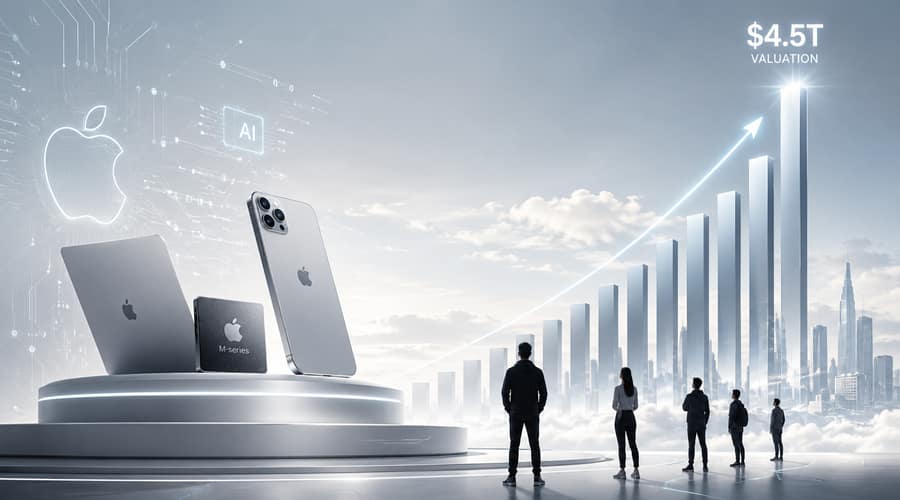
Apple's move around the $4.5 trillion market cap line shows how much investors still value ecosystem control, not just AI speed. For founders and investors, the lesson is that distribution, lock-in and product trust remain the hardest advantages to copy.
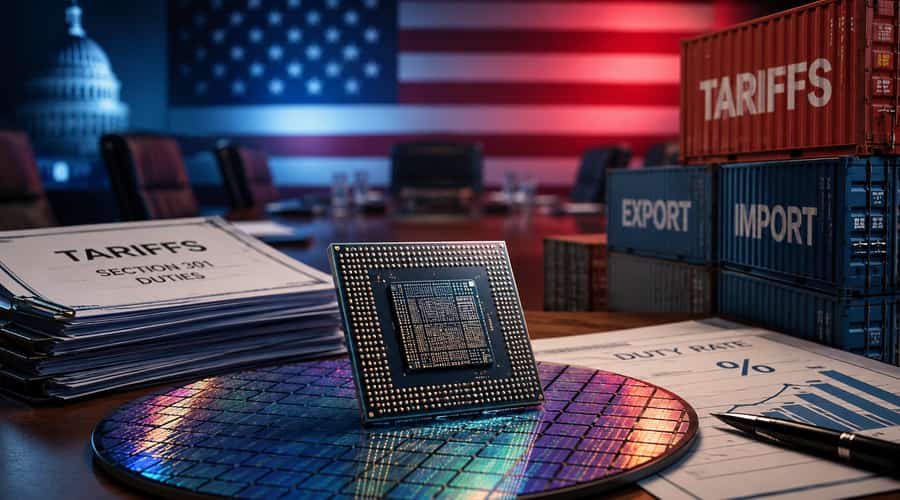
US Trade Representative Jamieson Greer says semiconductor tariffs remain under consideration, though no immediate levies are planned. For AI startups and enterprise buyers, the bigger issue is how trade policy could raise hardware costs before domestic chip capacity is ready to absorb demand.
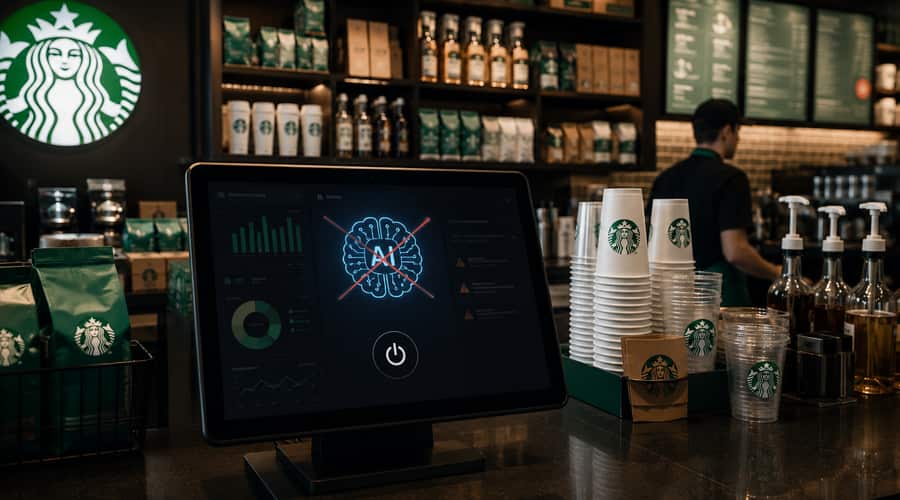
Starbucks has retired its Automated Counting AI inventory tool across North America after reported counting and labeling errors. The move shows how quickly enterprise AI loses value when frontline workers cannot trust it in daily operations.
Hyperliquid's native token hit a new all-time high above 62 on May 22, surpassing its September 2025 peak as ETF inflows and platform momentum drove demand.
Softcat just delivered a clean signal that AI demand is now flowing through the entire IT supply chain. The UK infrastructure provider raised its full-year profit guidance to mid-teens growth after a strong third quarter, driven by corporate spending on AI-ready hardware and memory shortage pull-forwards.
Workday just proved that legacy SaaS can turn AI from an existential threat into an upsell engine. The company reported its best first quarter of new ACV growth in five years, with AI-driven expansions now delivering larger deal sizes and rising margins.
The SEC closed its multi-year Zcash investigation with no enforcement action. That regulatory clearing, combined with a Multicoin Capital position and Robinhood listing, has driven ZEC into the high-$600s and turned a forgotten privacy coin into a market-structure test case.
Tech companies have cut 114,210 jobs in 2026 as the AI arms race forces a brutal reallocation of capital from payroll to data centers, decimating junior hiring while fueling record profits.