Chevron's 20-year power deal with Microsoft is not just another data center contract. It shows you where the AI buildout is really getting stuck: electricity, land, gas supply and time.
Chevron and Microsoft have put a blunt answer under the AI boom in West Texas: if the grid can't move fast enough, Big Tech will go around it. Project Kilby, announced on June 22, gives Microsoft dedicated electricity from a Chevron-built natural gas facility in Reeves County, near Pecos, through a contract that runs for 20 years. That takes the arrangement out to 2046.
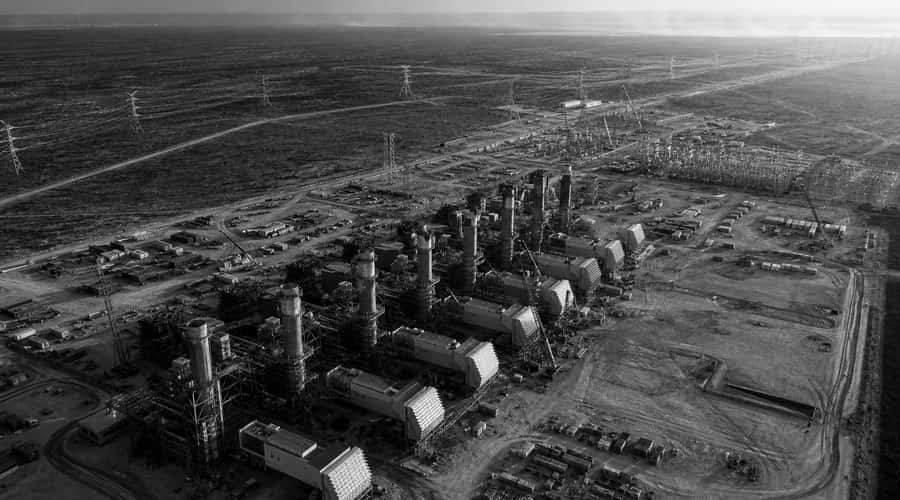
You can call it a power deal, but that undersells it. The largest software company in the world is tying part of its AI infrastructure plan to a Permian Basin gas project built by an oil major. That's the story. AI is not floating in the cloud. It is landing on 2,000 acres of Texas oil country, next to turbines, water plans, tax projections and a final investment decision that still has to be made.
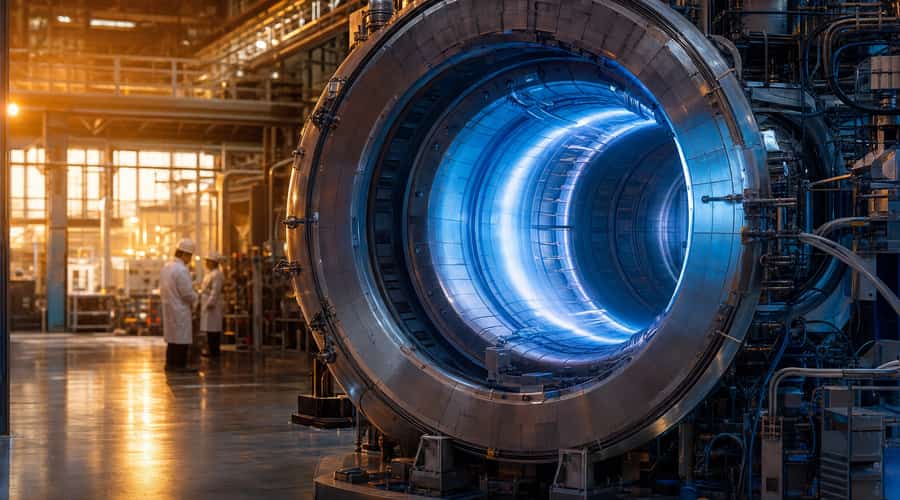
According to the Midland Reporter-Telegram, Chevron is working through its Energy Forge One subsidiary on a colocated power facility that would provide about 2.67 gigawatts to a Microsoft-operated data center. Most of that generation is expected to come from GE Vernova turbines, with added capacity from Solar Turbines, the Caterpillar subsidiary. Chevron's Daniel Droog told the paper the site is close to the Waha Hub, a key Permian gas trading point. That detail matters because West Texas has plenty of gas and not always enough ways to move it profitably.
The project is also designed to sit behind the meter, at least at first. Microsoft says that means the facility won't draw from the regional grid, which is the company's way of answering the obvious political problem: residents don't want to pay higher bills so hyperscalers can train larger models. Over time, Microsoft expects the power facility and data center could connect to the broader regional system. For now, the pitch is direct power without pushing the cost onto ratepayers.
Here is the uncomfortable part. A 20-year gas contract is, right now, one of the fastest ways to get frontier compute built at this scale. Renewable projects can be delayed by interconnection queues. New nuclear sounds attractive until you look at timelines. Transmission is a slow business. Gas turbines in the Permian are a much easier thing to finance, permit and connect to a customer that already knows it needs power before 2030.
You don't have to like that answer to understand why Microsoft signed it.
The Financial Times reported that Chevron and Engine No. 1 backed Joulent are developing Project Kilby together, and that Chevron has not disclosed the project's cost. That point needed cleaning up because some early summaries of the deal have thrown around large capital estimates without the companies putting an official figure on the table. What Chevron has said is concrete enough: it expects a final investment decision by the end of 2026, first power in 2028, peak construction employment of more than 6,000 jobs, hundreds of permanent operating roles, and more than $10 billion in state and local tax revenue over the life of the project.
Those numbers are why this deal will get copied if it works. Chevron gets contracted demand for gas and power instead of selling only into the usual commodity cycle. Microsoft gets a dedicated supply line for AI and cloud infrastructure. Reeves County gets a tax base tied to one of the largest data center projects in the country. Everyone gets something, except the climate accounting gets harder to explain.
Frankly, this is where the clean-energy talking points start to strain. Microsoft has spent years buying renewable power and talking about carbon-negative goals. Now it is signing a long gas-backed supply agreement because advanced compute needs electricity every hour, not only when an ideal procurement slide says it should be available. Chevron says the facility will use brackish, non-potable water and aims to expand the use of produced water, which the Houston Chronicle noted is a real issue in an arid region already shaped by oilfield wastewater. Those mitigations matter. They don't turn a gas plant into a clean project.
There is another reason the energy industry is watching closely. The FT described Chevron as being in a race with ExxonMobil to expand into off-grid power for data centers. That is the more durable shift. Oil majors are not just selling fuel into the AI boom. They are trying to become infrastructure companies for it, owning the generation that lets hyperscalers keep building when utilities and grid operators can't keep up.
For Microsoft, the trade is equally clear. If you want AI capacity on the schedule investors now expect, you need power agreements that look more like industrial infrastructure than ordinary corporate electricity buying. A colocated gas plant in Reeves County is not as neat as a clean-energy pledge. It is much more useful when the deadline is 2028.
Project Kilby still has to clear permits and reach Chevron's final investment decision. First power is not expected until late 2028, with expansion continuing into the 2030s. That leaves plenty of room for delays, local objections and harder questions about emissions. But the basic shape is now visible: the AI buildout is pulling Big Tech deeper into energy, and it is pulling oil majors deeper into the business of compute. If this works near Pecos, it won't stay a one-off for long.
Also read: Amazon is recruiting Hindi speakers to beta test Alexa+ as it eyes India's 600 million-person voice market; Groq raises $650 million to become a neocloud after Nvidia paid $20 billion for its soul; Five Eyes agencies warn that AI-powered cyberattacks are months away as the US moves to lock down frontier models