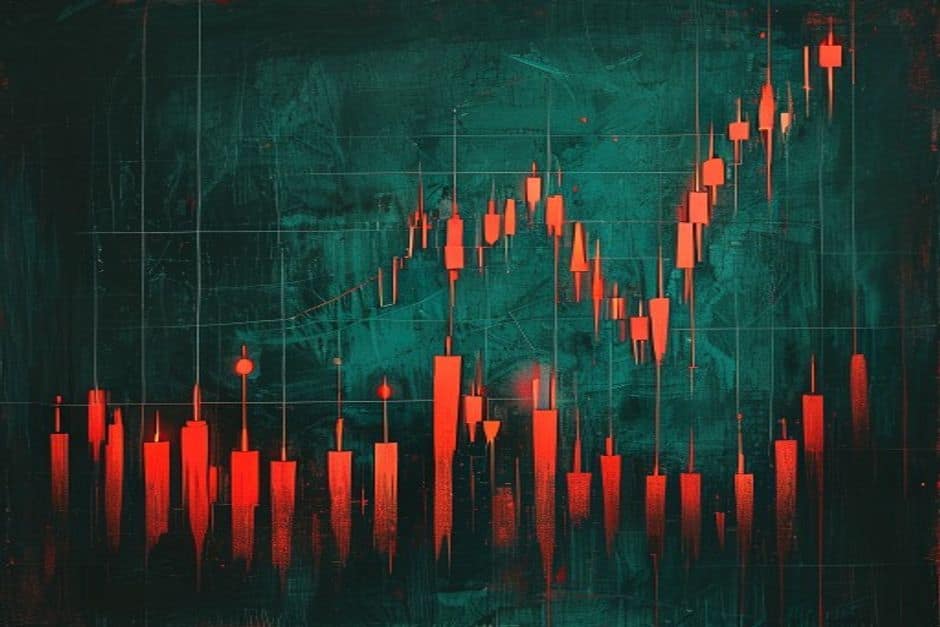
Prominent crypto trader Ansem claimed perfect timing after selling his Solana holdings following the TRUMP memecoin buzz, but with SOL down more than 60 percent from its highs and seven consecutive red monthly candles, the crypto community is demanding on-chain proof he was ever in the trade at all.
There are two kinds of credibility in crypto: the kind you build quietly over years of verifiable on-chain activity, and the kind you claim loudly in a conversation that gets clipped and posted to a hundred thousand followers. Ansem, the trader known on X as @blknoiz06, is currently finding out what happens when those two things come into conflict. During a conversation with FaZe Banks, Ansem described selling his final Solana position after the TRUMP memecoin frenzy, framing it as well-timed exits before a significant drawdown. Solana has since fallen from highs near $260 to levels that represent a 60 percent decline, with seven straight monthly candles closing in the red. The story should have aged well. Instead, it became a target.
The backlash centers on a simple demand: show the receipts. Crypto culture has always had a complicated relationship with self-reported trading results, but the on-chain nature of blockchain transactions gives the community a tool that traditional finance never had. Every wallet, every transaction, every entry and exit is theoretically traceable. When Ansem claimed he had been holding Solana since 2020, skeptics immediately noted the absence of any contemporaneous record: no posts from that period referencing the position, no early follower base that would have existed if he had been publicly active in that era, and no wallet activity surfaced to corroborate the timeline. The replies filled with memes, demands for on-chain evidence, and the particular kind of mockery that crypto Twitter reserves for traders whose stories do not hold up to scrutiny.
Not everyone piled on. A thread circulating from January 2025 showed what appeared to be a 13x gain from a $20 Solana entry, which some cited as partial validation of the long-term hold narrative. Others in the replies shared their own verified profit-and-loss records from Solana positions, using the moment to establish their own credibility while distancing themselves from the controversy around Ansem's specific claims. The dynamic was telling: in a space where reputation is currency, a public dispute about one trader's history becomes an opportunity for others to position themselves as the trustworthy alternative.
The problem with the January 2025 thread is that it does not fully resolve the timeline question. A documented gain from a $20 entry is meaningful, but it does not confirm a 2020 accumulation story with no contemporaneous evidence. The gap between what was shown and what was claimed is precisely where the skepticism lives, and in crypto, that gap tends to widen rather than close once the community has decided it is worth investigating.
Ansem built a substantial following during the 2021 and 2023 Solana bull markets by making calls that proved directionally correct and communicating them with a confidence that resonated with traders looking for conviction. That credibility, earned over public market calls, is separate from the question of whether his personal position history matches his narrative. But in a community where those two things are often conflated, the distinction gets lost quickly once doubt has been introduced.
Solana's fundamentals complicate the narrative further
What makes this moment more interesting than a standard crypto influencer controversy is that Solana's on-chain metrics have not collapsed alongside its price. The network continues to report record numbers of unique holders, transaction volumes remain elevated relative to previous cycle lows, and developer activity has not shown the kind of exodus that typically accompanies a genuine loss of confidence in a protocol. The price decline is real and severe. The underlying network activity tells a different story, and several traders in the same discussion thread noted they were watching the dip as a potential entry point precisely because of that divergence.
That split between price performance and network health is a familiar pattern in crypto cycles. Assets that retain genuine user adoption through a drawdown tend to recover more completely than those where price decline and network abandonment happen simultaneously. Solana went through a version of this after the FTX collapse in late 2022, when the token fell to single digits and was widely written off, only to become one of the strongest performers of the subsequent bull run. Whether history repeats is unknowable, but the on-chain holder data gives long-term bulls a data point to anchor their conviction.
The broader lesson from the Ansem episode is one the crypto industry revisits every cycle without quite learning. Narrative and verification are not the same thing, and the communities that build the most durable credibility are those that treat on-chain evidence as the baseline rather than an optional supplement to a good story. As wallet analytics tools become more sophisticated and public, the gap between claimed trading history and verifiable trading history will continue to narrow. Traders who cannot close that gap when the market turns against them will find that the same audience that amplified their calls on the way up is equally efficient at distributing skepticism on the way down.
Also read: Hyperliquid Is Generating More Fees Than Ethereum and the Numbers Keep Growing • Fun raises $72 million to build the payment rails that make crypto transactions feel like normal fintech • Liquid raised $18 million to turn crypto's perpetual futures model into a 24/7 trading interface for almost every asset class