A viral Helix 02 bedroom demo shows why home robots are becoming a serious AI startup story, but the gap between a polished clip and a consumer product still matters.
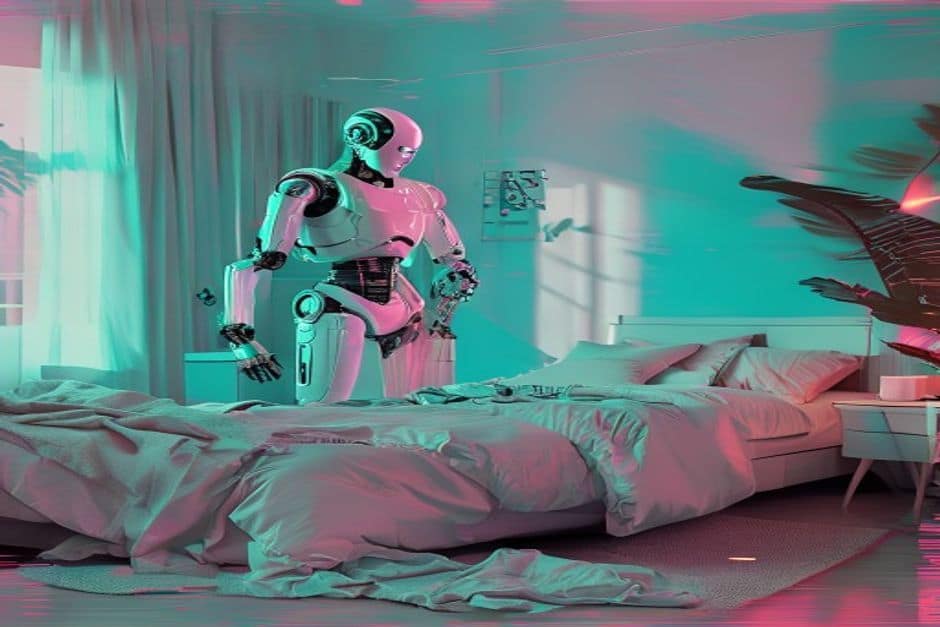
Figure AI has found the kind of chore that makes people stop scrolling: a humanoid robot tidying a bedroom. The Helix 02 Bedroom Tidy clip circulating on Reddit today appears to show Figure-style humanoid hardware handling a domestic cleanup task, including bedroom organization and what viewers described as two robots coordinating around making a bed. That is not a small visual leap. Kitchens and warehouses can be structured. Bedrooms are personal, messy, soft, narrow and constantly changing.
The Reddit thread on r/singularity had drawn roughly 144 points and 69 comments within seven hours, which is not proof of technical readiness, but it is proof of market attention. People do not react to these videos like they are watching a factory arm sort parts. They react like they are seeing the first rough outline of a product they might one day want in their own home. That is exactly why this kind of demo matters to founders and investors.
What needs separating, carefully, is capability from presentation. The clip has been shared under the Helix 02 name, and Figure has already published official Helix 02 material describing a full-body system that controls a humanoid directly from pixels. According to Figure's January Helix 02 release, the company said its dishwasher demo was fully autonomous, not teleoperated, and relied on a hierarchy of systems for language reasoning, visual-motor control and whole-body movement. The Bedroom Tidy clip, however, did not surface in my search as a full Figure news post with the same level of written detail, so the right reading is cautious: the video is current, the interest is real, but the exact task setup and limitations need more disclosure.
That caution does not make the work unimportant. Tidying a bedroom is a better test than a robot doing a backflip or waving on stage. A bedroom forces the system to deal with soft objects, awkward reach angles, furniture, doors, bedding and ambiguous goals. A human can look at a room and understand that a pillow belongs on the bed, a blanket should be flattened and loose items should be cleared. For a robot, each of those actions turns into perception, planning, balance and manipulation happening at the same time.
The most interesting viewer reactions were not just about the robot picking things up. They were about coordination. Some commenters focused on what looked like cooperation between two robots, including one robot appearing to nod toward another. Others asked the harder questions: were these robots trained in that specific room, how much practice happened before the recording, and could the same system handle a messier bedroom arranged by a third party? Those are the right questions because home robotics will not be judged by its best take. It will be judged by its failure rate.
Figure has been pushing a clear narrative through Helix: general-purpose humanoids should learn new tasks from more data rather than from hand-coded routines for every object and every room. In its earlier living room demo, the company described tasks such as wiping a surface with a towel, using a spray bottle, picking up toys, handling a bin, tossing a pillow and turning off a TV remote. The bedroom clip fits that progression. It moves the story from isolated dexterity toward everyday household resets.
Why investors care
This is becoming an entrepreneurship story because humanoid robotics now sits at the intersection of AI models, hardware manufacturing, labor markets and capital intensity. Figure is not merely trying to sell a clever machine. It is trying to convince the market that a new class of embodied AI company can scale like software while carrying the brutal costs of robotics, production, repairs, safety validation and deployment.
That is a hard business. A robot that works beautifully in a prepared video may still struggle with a child's cluttered room, a dog toy under a blanket, a tangled bedsheet or a cheap door handle that sticks. The edge cases are the product. This is the lesson self-driving cars taught investors over the last decade: demos can arrive years before dependable autonomy. Robotics founders know this, but public excitement often moves faster than deployment reality.
The competitive strategies are also diverging. Figure keeps pointing toward homes and general-purpose labor, even while it has pursued industrial deployments such as work with BMW. Other robotics companies are more likely to start with warehouses, factories and logistics because those settings are easier to control and easier to price. A warehouse robot can deliver value by moving totes or handling repetitive workflows. A home robot has to be useful, safe, quiet, affordable and socially acceptable around people's private spaces.
That difference matters for the startup market. Warehouse-first companies can build revenue around narrower tasks and expand from there. Home-first ambition creates a bigger story, but it also raises the bar. Consumers will not tolerate a robot that needs constant supervision, damages furniture or gets confused by laundry. The winning company may be the one that makes the least glamorous tradeoff first: prove reliability in constrained environments, then widen the world.
The Bedroom Tidy demo should be treated as a signal, not a verdict. It shows that Figure is aiming at the chore economy people actually understand, and it shows why humanoid robots are suddenly part of the AI investment conversation. The next thing to watch is not whether the next video looks smoother. It is whether Figure publishes longer, messier, less edited runs with clear autonomy claims, setup notes and failure cases. That is when the market will know whether the bedroom robot is moving from viral clip to real business.
Also read: Lemonade gives AMD startups a wider path to local inference • Timothy Gowers says AI is forcing mathematics to rethink research • Florida Makes Big Data Centers Pay Their Own Power Bills