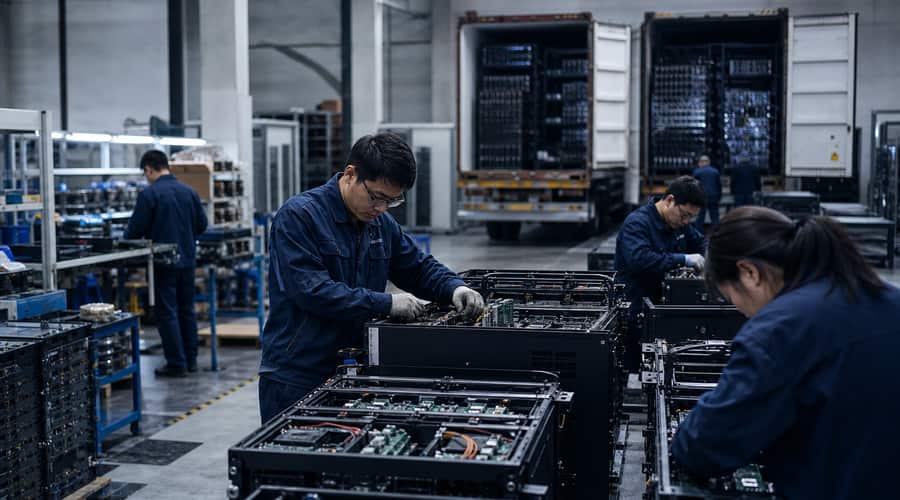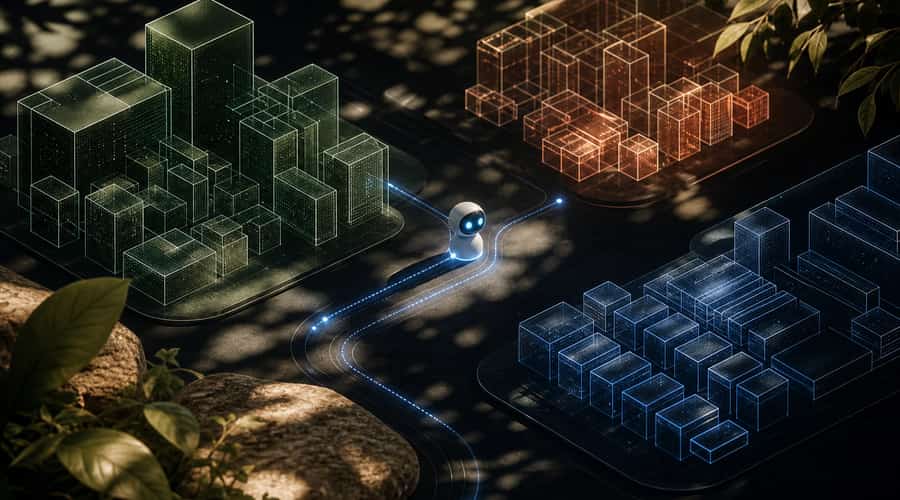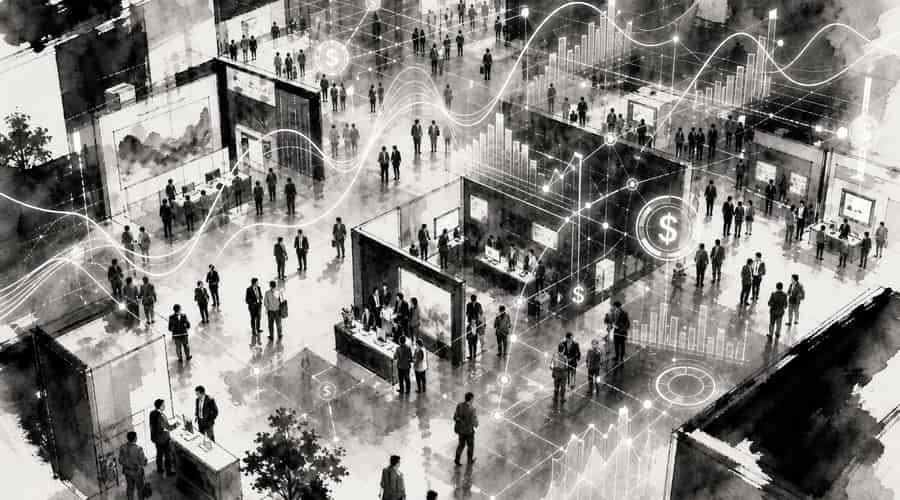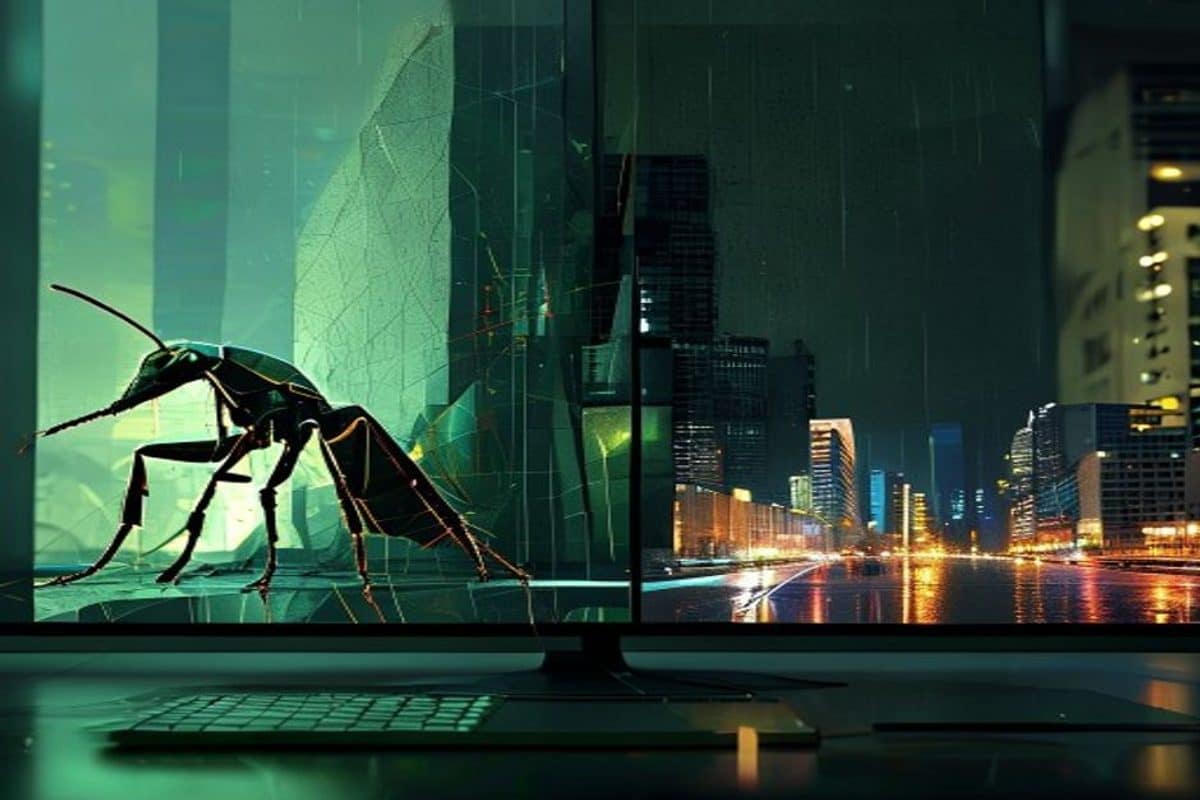
OpenAI's latest image generation model is going viral for doing what previous AI tools couldn't: maintaining photorealism across wildly different visual styles without a single uncanny artifact to show for it.
Something shifted this week in how people talk about AI-generated images. The usual skepticism , the warped fingers, the glassy eyes, the lighting that's almost right , is conspicuously absent from the wave of comparisons flooding Reddit and X. GPT Images 2.0, OpenAI's newest generation model and the heir apparent to DALL-E 3, dropped earlier this week and has since triggered one of the more genuine eruptions of AI enthusiasm I've seen in a while. Not hype for hype's sake. People are stunned because the thing actually works.
What's driving the reaction isn't any single capability , it's the range. Users are prompting everything from macro insect photography and brutalist architecture to sun-drenched editorial fashion and dense urban nightscapes, and the model is delivering consistent photorealism across all of it. That's the part that matters. Earlier generative models tended to hold together within a narrow stylistic lane; push them into adjacent territory and you'd start to see seams. GPT Images 2.0 appears to have largely closed that gap. Early adopters sharing side-by-side tests report a near-zero rate of visible artifacts at standard resolutions, and several note that generation latency has dropped meaningfully compared to last year's tools.
There's a technical achievement here worth separating from the social media noise. Variable aspect ratio support, handled natively rather than through post-generation cropping, is a quiet but significant win for anyone working in production environments where format flexibility is non-negotiable. Combined with the reduction in generation time, this isn't just a better-looking model , it's a more practical one. That combination is what converts curious observers into paying users.
Sam Altman has been telegraphing something like this for a while. His public framing around multimodal AI becoming indistinguishable from documented reality reads less like a bold prediction now and more like a product roadmap that just hit a major milestone. Whether OpenAI intended this week's virality or simply benefited from early adopters doing the marketing for them, the result is the same: the conversation about synthetic media has moved from theoretical to immediate.
The Industries Now Sitting With a Problem
Stock photography was already under pressure. This release is a different order of magnitude. When a single user with a subscription can generate infinite high-fidelity variations of a product shot, a lifestyle scene, or a location-specific editorial image in under a minute, the traditional media supply chain doesn't just get disrupted , it loses the argument for existing in its current form. Concept artists and marketing studios face a version of the same reckoning. The tools that once required a team and a budget now fit inside a chat window.
The misinformation dimension is harder to wave off than it was six months ago. The barrier to producing convincing synthetic imagery has effectively been removed for the average consumer, not just for well-resourced bad actors. Forensic detection tools are in a permanent foot race with generation quality, and GPT Images 2.0 represents the latest and largest stride by the generation side. Policymakers who were already behind are now further behind.
Peer-reviewed benchmarks haven't landed yet, so some of what's circulating online warrants calibration. Early adopter enthusiasm tends to flatten edge cases that matter in production. But the volume and consistency of the reactions this week make it hard to dismiss as simple novelty. When the people most likely to spot the flaws are the ones most impressed, that's a signal worth taking seriously.
The question heading into the next few months isn't whether GPT Images 2.0 is as capable as the demos suggest , it almost certainly is, broadly. The more interesting question is how quickly enterprise buyers embed it into their pipelines, and whether Adobe, Getty, and the platforms that built businesses around licensed imagery respond with adaptation or litigation. Both are on the table. Watch the licensing conversation closely; that's where the real market story develops from here.
Also read: Kling AI releases native 4K video generation and quietly resets the bar for every competitor • Software engineers are drawing up backup plans as AutoCode Zero makes the leap from assistant to architect • Samsung's 30,000 striking workers want a $400,000 bonus each and they have the AI profits to back up the ask