OpenAI's new Images 2 Model is generating serious buzz for solving character consistency and text rendering, two stubborn limitations that have frustrated designers, publishers, and filmmakers since generative AI went mainstream.
If you've spent any time trying to build a visual narrative with AI tools, you know the pain: your protagonist looks like a different person in every frame, and any text you ask the model to render comes out garbled, misspelled, or warped beyond use. As of this week, OpenAI appears to have cracked both problems simultaneously, and the reaction across X and Reddit has been somewhere between relief and genuine excitement. The colloquial consensus is that OpenAI "cooked" , and based on what early testers are sharing, that read seems fair.
The Images 2 Model locks in what the community is calling semantic identity , the model holds a character's specific facial structure, clothing, and distinguishing features stable across different poses, lighting conditions, and scene contexts. Previous generations of image models, including OpenAI's own earlier tools, suffered from morphological drift, where iterating on a character prompt even slightly would produce someone who looked related to your original subject rather than identical to them. Storyboard artists and graphic novel creators had to manually correct these inconsistencies, which consumed hours that largely cancelled out the speed advantage of using AI at all.
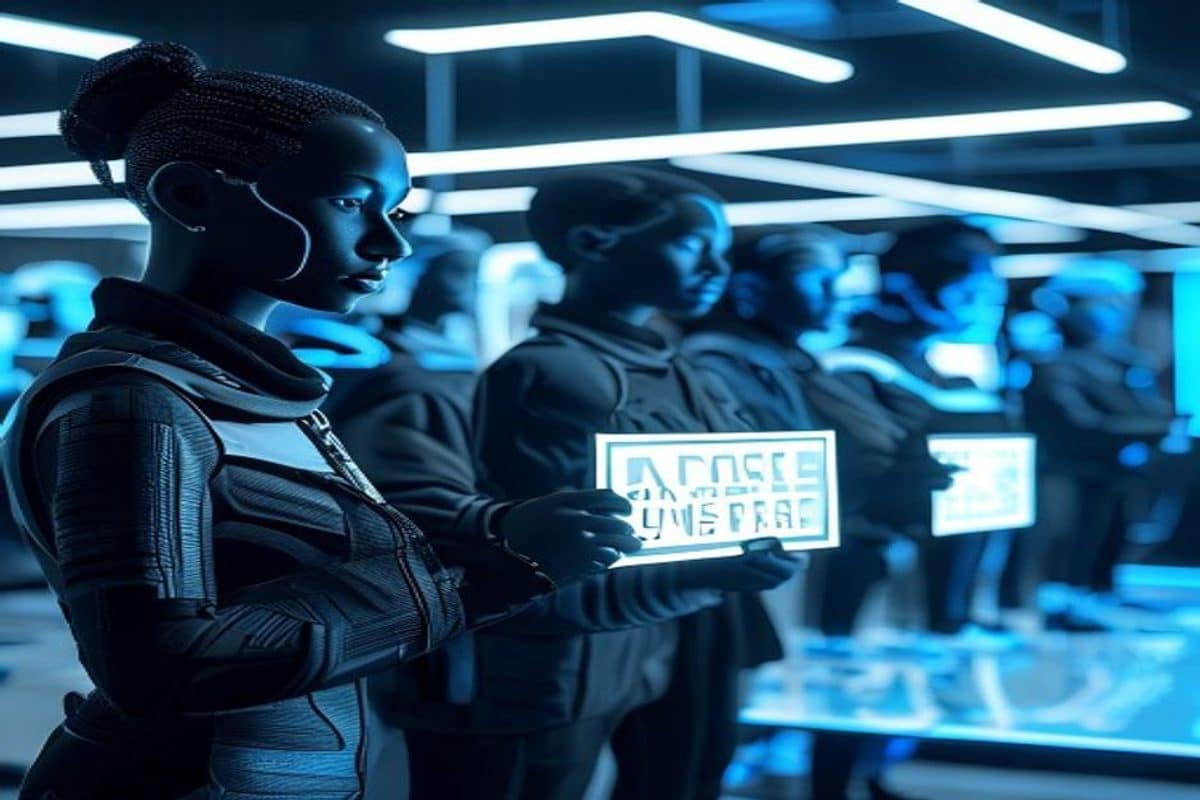
The typography improvement may actually be the bigger story for commercial applications. Rendering legible, stable text inside an image has been a notorious weak point across the entire generative AI landscape , Midjourney, Stable Diffusion, and DALL-E variants all required heavy manual inpainting to produce anything you'd trust in a finished piece. Early benchmarks circulating on Reddit's AI art communities suggest Images 2 has achieved a statistically significant leap in token adherence for typographic elements. Logos hold. Headlines read. Signage in scene backgrounds stays coherent. For advertising creatives and publishers, that is not a minor quality-of-life improvement , it removes an entire corrective workflow from the production pipeline.
The practical implications extend well beyond illustration. A consistent character paired with reliable text means automated visual media production is no longer just a prototype-stage tool. Think children's book publishers, indie game studios building concept art pipelines, or marketing agencies generating localized ad variants at scale. Each of those use cases previously hit a wall somewhere in the consistency or legibility problem. That wall is meaningfully lower now.
Pressure builds on Midjourney and Adobe
OpenAI's timing is pointed. Midjourney has built a loyal creative following on style control and aesthetic quality, and Adobe's Firefly suite has leaned into enterprise trust and IP-safe training data as its differentiator. Neither has made character consistency or text rendering a flagship strength. If Images 2 performs in production the way early testers are reporting, both companies face a credibility gap on two features that matter enormously to paying professional users. This is the mid-2020s compute war in sharpest focus: the competition has moved past raw model scale and into precision, controllability, and reliability of outputs.
What to watch next is whether OpenAI integrates Images 2 deeply into its existing product stack , particularly within the ChatGPT interface and its API , and how quickly enterprise clients in advertising and entertainment begin building proprietary pipelines around it. Adobe has the distribution advantage of being embedded in professional workflows already, but OpenAI has the momentum. The company that wins this segment won't necessarily be the one with the best raw generation quality. It will be the one whose tools hold up reliably when a creative director needs fifty consistent frames by Thursday morning.
Also read: How the US government is quietly building a mass surveillance machine out of your apps, your data brokers, and AI • Users are pushing ChatGPT to visualize humanity's deepest fears and the results are genuinely unsettling • Anthropic quietly pulls Claude Code from Pro plan and hands local model advocates their strongest argument yet