Waymo's new $29.99 monthly Premier plan gives frequent riders priority pickups, cash back, and early city access. The bigger story is that Alphabet's robotaxi unit is testing whether autonomous ride-hailing can look less like a taxi meter and more like a recurring revenue business.
Waymo has spent years proving that driverless rides can work in real cities. Now it is asking a smaller, sharper question: will its most loyal riders pay every month for a better place in line?
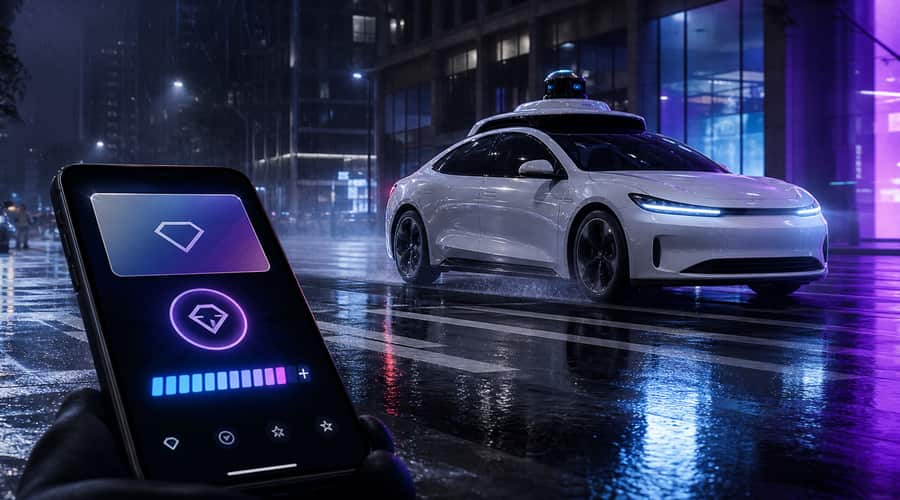
Waymo Premier, the company's new invite-only membership, costs $29.99 a month and is initially aimed at frequent users in San Francisco, Los Angeles, and Phoenix. Members get priority pickups, 10% back on rides in Waymo Cash, higher rewards during busy periods, up to five free cancellations a month, and early access to Waymo service in new cities where the company is still building demand.
That may sound like a familiar loyalty bundle. Uber One has trained millions of riders and delivery customers to think about transportation as a subscription relationship, not just a one-off transaction. But Waymo's version is different because the business underneath it is different. Uber is coordinating a marketplace. Waymo owns and operates an expensive autonomous fleet, which means every improvement in utilization, loyalty, and repeat behavior matters more than it would in a normal ride-hailing app.
As The Verge reported, Premier is launching as Waymo continues to scale across 10 cities and targets operations in 20 cities by the end of 2026. That timing is not accidental. A subscription makes little sense when a service is scarce, unreliable, or geographically thin. It starts to make more sense when a company has enough repeat customers to know which riders care most about wait times, commute reliability, and access to new markets.
The financial context explains why this launch matters beyond the perks. Waymo raised $16 billion in February 2026 at a reported $126 billion valuation, giving Alphabet's autonomous vehicle unit the capital to expand while Tesla, Zoox, and other robotaxi rivals try to catch up. AP reported at the time that Waymo was already providing more than 400,000 rides a week. That is real scale, but it is still a business built mostly around individual rides. Premier gives Waymo a way to add recurring revenue on top of that base.
Priority access only works while supply is tight
The invite-only structure is more than launch theater. Waymo does not have unlimited cars, and its strongest markets already see periods when demand exceeds available vehicles. Priority pickup has value precisely because there is a queue to skip. If every rider could buy the same advantage at once, the benefit would collapse under its own popularity.
Starting with frequent riders gives Waymo cleaner data. These are the customers most likely to understand whether faster pickups, credits, and cancellation flexibility are worth $29.99 a month. They are also the riders most likely to change behavior because of the membership, choosing Waymo more often because they want to capture the value of the subscription they already paid for.
That is the key test. Waymo does not just need people to subscribe. It needs Premier to increase ride frequency, reduce churn, and make heavy users more dependent on the Waymo app. If that happens, the membership becomes more than a loyalty program. It becomes a tool for shaping demand across a fleet that is expensive to build, insure, maintain, and reposition.
There is also a practical competitive edge here. Tesla is still trying to turn its autonomous ambitions into a broad commercial robotaxi network. Zoox, backed by Amazon, remains earlier in commercial rollout. Uber is taking a different path by mixing human drivers with autonomous vehicle partners. Waymo, meanwhile, is trying to build a direct relationship with riders before the market becomes crowded.
That relationship matters because transportation habits are sticky once they become routine. A commuter who opens Waymo first, sees a preferred pickup time, earns credits, and gets early access in new cities is less likely to treat robotaxis as a novelty. That is the kind of behavioral lock-in that made Amazon Prime powerful. The product began with shipping, but the real effect was changing where customers started their shopping journey.
Premier will not decide Waymo's future by itself. The harder questions remain fleet size, vehicle cost, city approvals, safety performance, and whether autonomous rides can stay competitive with Uber and Lyft at scale. But the subscription tells us where Waymo thinks the business is going. The company is no longer only proving that robotaxis can drive. It is starting to prove that riders can be turned into members, and that may be the next number investors watch closely.
Also read: Visa embeds its payment network inside ChatGPT as the race to own agentic commerce breaks into a sprint • CoreWeave takes its AI debt machine to Europe with a $3.55 billion junk bond deal that opens a new frontier for the continent's institutional investors • OpenAI buys Ona as it moves to own the full stack underneath its AI agents