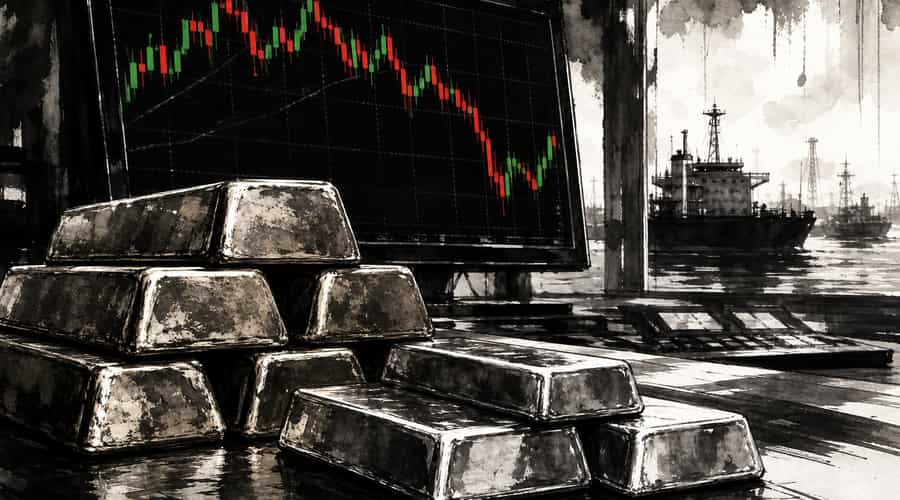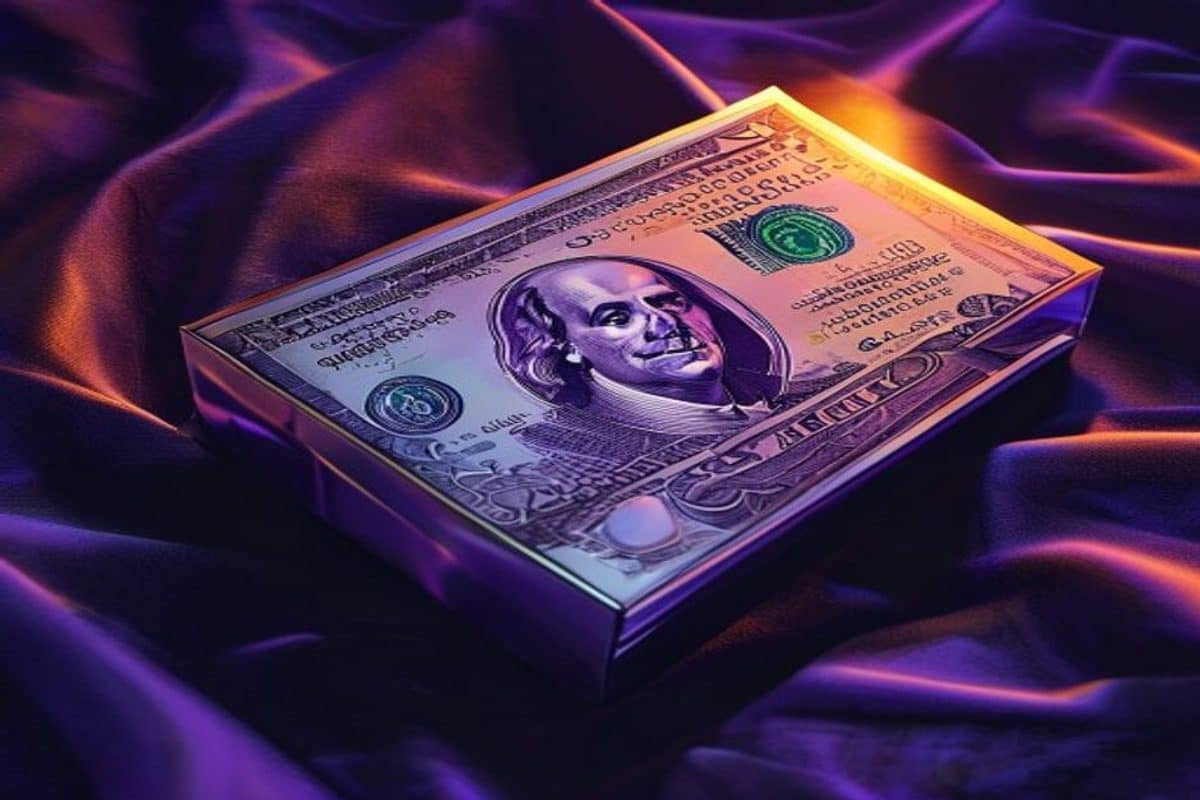
The Crabtree Mint's $1000 Face Value Silver Contract Note bar is going viral in precious metals communities, with secondary market listings pushing well past spot price on the strength of its rarity and currency-themed design.
Collector forums on Reddit and X lit up on April 16 around a single listing: a hefty 20-troy-ounce silver bar from Crabtree Mint, styled to resemble a $1000 Federal Reserve Note and stamped with the words "Silver Contract Note." The bar isn't legal tender, has no official government backing, and carries a melt value somewhere between $600 and $640 at current silver spot prices. Yet buyers are reportedly paying anywhere from $900 to well over $1,200 to get their hands on one. That gap between intrinsic value and market price tells you everything about where the high-premium silver segment is right now.
Crabtree Mint operates in a niche that sits somewhere between bullion dealer and fine art producer. It's a private, boutique refiner with no government affiliation, which means it competes purely on aesthetics, theme, and scarcity rather than the institutional credibility of a U.S. Mint or Royal Canadian Mint product. That's actually a feature for the collector base it serves. Low mintage runs and eye-catching designs create the same artificial scarcity dynamics you see in limited sneaker drops or small-press art prints, and the community around private mint bars has developed its own taxonomy of desirable pieces, with the Silver Contract Note now joining that shortlist.
The design choice here is deliberate and savvy. Modeling a silver bar after a $1000 bill taps directly into the ideological current running through much of the stacking community, where physical precious metals are held partly as a hedge against fiat currency debasement. The phrase "Silver Contract Note" is a nod to the era of silver certificates, when U.S. currency was formally backed by and redeemable for silver. That history resonates deeply with buyers who see today's unbacked dollar as a departure from sound monetary principles. The bar isn't making a legal claim; it's making a cultural argument, and collectors are paying a premium for the statement.
The timing matters too. With silver spot prices hovering in the $28 to $32 per ounce range through mid-2026, the broader precious metals market has been generating renewed interest as trade war anxieties rattle equity investors. Physical silver, particularly in art bar form, has attracted buyers who want commodity exposure without the abstraction of ETFs or futures contracts. You're not holding a receipt for silver when you own one of these bars. You're holding the metal itself, plus the story the mint wrapped around it.
What the Premium Tells Us About the Secondary Market
A 50 to 90 percent premium over melt value is not unusual in the private mint art bar space for genuinely scarce pieces, but it is a useful signal about market psychology. When collectors are willing to pay that spread, they're essentially pricing in rarity, theme, and community cachet as real assets. The secondary marketplace for these items, primarily eBay and specialized precious metals exchanges, functions less like a commodity exchange and more like an auction house for niche collectibles. Price discovery is social and speculative rather than anchored purely to spot.
For investors watching the silver market from a distance, the Crabtree bar is an interesting data point rather than a trade signal. Standard government bullion remains the liquid, low-premium entry point for anyone primarily concerned with silver as a store of value. But the sustained appetite for high-premium private mint products suggests a meaningful segment of the market is buying something beyond the metal. They're buying scarcity, narrative, and the tactile satisfaction of owning a physical object that doubles as a commentary on monetary history.
Whether the Silver Contract Note holds its premium or fades as the viral moment passes will depend on how many units exist and whether Crabtree mints additional runs. That's the perennial risk with private mint collectibles: a second batch can collapse the premium overnight. For now, the communities are watching listings closely, and the bar has earned a place in the conversation about what drives value in the physical silver market beyond the spot price.
Also read: Gold just hit a record and silver hasn't looked this good in a decade so the stacking community is having a moment • A viral social media post is reminding the world that one Dead Sea Scroll is not scripture but a copper-engraved inventory of billions in buried treasure • Big 8 Banks Are Quietly Covering Precious Metal Shorts