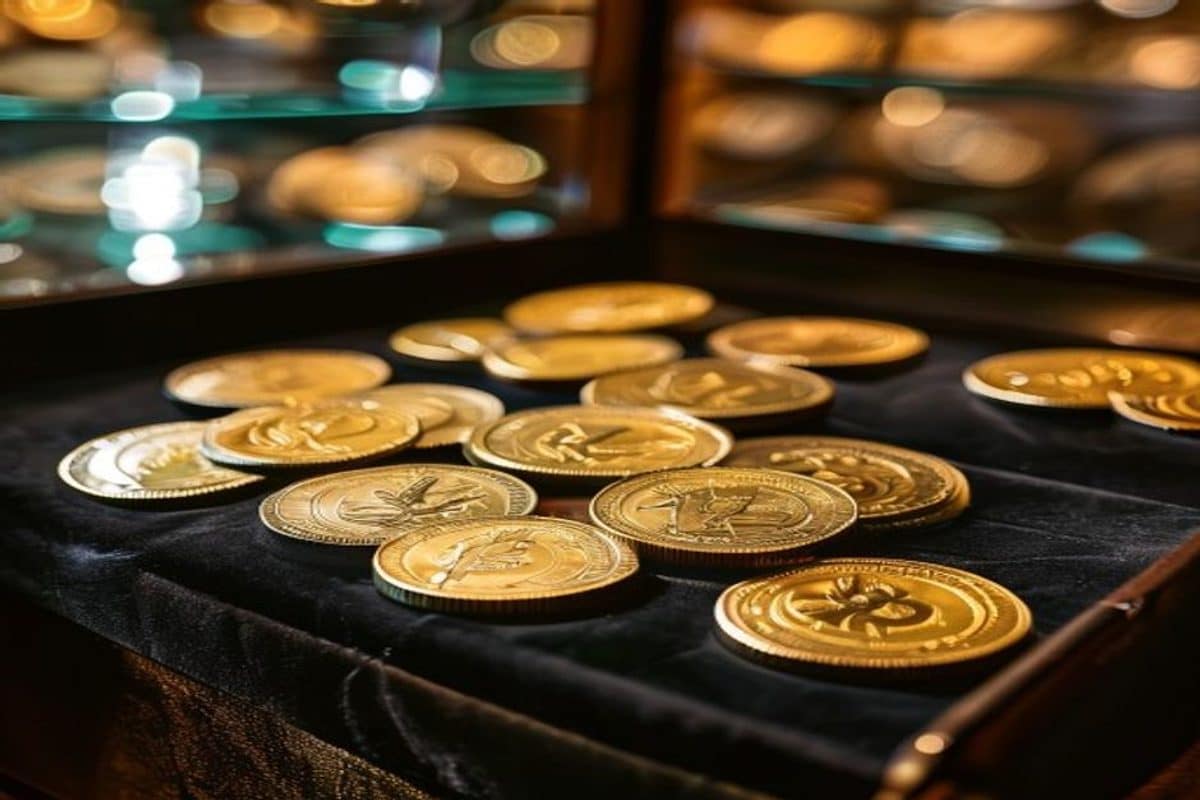
A visit to a local coin shop that ends with the wrong gold coin in your hand is a small mistake with outsized financial consequences , and it's happening more than the industry likes to admit.
Gold hit fresh record highs in April 2026, with spot prices pushing well past $3,300 per troy ounce. At that level, the difference between a 1 oz American Gold Eagle and its 1/2 oz sibling isn't a collector's quibble , it's a $1,600-plus discrepancy on a single transaction. So when a story about a buyer walking out of their local coin shop (LCS, in hobbyist shorthand) with the wrong-size gold coin started circulating across Reddit's r/Silverbugs and r/coins communities, it landed. People recognized themselves in it.
The LCS experience is one of the more human corners of the precious metals market. These are typically small, independently run operations , often one or two people behind the glass , without the automated inventory systems that the major online bullion dealers run. That intimacy is part of the appeal. You can hold the coin, ask questions, negotiate. But it also means the margin for error is real. A staff member misreads a request, pulls from the wrong tray, or simply doesn't know that Gold Buffalos only come in 1 oz while Eagles come in four fractional sizes. The transaction completes, you get home, and something feels off.
Gold coins are not a monolith. The American Gold Eagle family runs 1 oz, 1/2 oz, 1/4 oz, and 1/10 oz. Canadian Maple Leafs mirror that structure. South African Krugerrands have their own fractional lineup. Austrian Philharmonics, British Britannias, Chinese Pandas , each issuer has its own weight and diameter standards, and the physical differences between some of them are subtle enough to fool an untrained eye at a glance. A 1/4 oz Eagle and a 1/10 oz Eagle don't look dramatically different sitting in a flip on the counter. For a dealer fielding a dozen customers on a busy Saturday, it's an easy mistake. For the buyer who wanted a specific size for portfolio allocation or a gift, it's a headache that requires a return trip and , if the shop is reluctant , a dispute.
The financial stakes are worth spelling out plainly. At current prices, a 1 oz gold coin costs somewhere in the $3,350 to $3,450 range at retail depending on the product and dealer premium. A 1/10 oz version of that same coin costs roughly $340 to $360. If a buyer hands over cash for the former and receives the latter, they are out approximately $3,000 until the error is resolved. Even in the opposite direction , receiving a larger coin than paid for , the situation creates its own complications when the dealer catches the discrepancy.
What Buyers Should Do at the Point of Sale
The practical lesson here is unglamorous but necessary: verify before you walk out the door. Check the weight printed on the coin's edge or face. Cross-reference the diameter if you have a reference card. Read the receipt and confirm it matches what's in your hand. Reputable dealers won't be offended , this is exactly the kind of due diligence they should expect from an informed customer. Keep the receipt regardless, because it's your primary documentation if you need to return or exchange.
It's also worth understanding your dealer before you buy. The LCS ecosystem ranges from highly knowledgeable numismatic specialists who can lecture you for an hour on Proof vs. Bullion strike differences, to general pawn-adjacent shops where gold coins are simply inventory moved by weight. Neither is inherently bad, but knowing which kind of shop you're in calibrates your expectations and your verification habits accordingly.
The broader market context matters here too. As gold has surged through 2025 and into 2026 on the back of central bank buying, dollar weakness, and persistent geopolitical uncertainty, retail demand for physical coins has accelerated. More first-time buyers are walking into LCS locations without deep product knowledge, which increases the likelihood of miscommunication on both sides of the counter. Dealers are moving more inventory under more pressure, and not all of them have scaled their processes to match.
The coin community's instinct to share these stories publicly is genuinely useful. Every cautionary post on Reddit about a wrong-size coin is a free tutorial for the next buyer. As gold remains elevated and physical demand stays strong, the simple habit of checking your purchase before leaving the shop is worth more than any price alert on your phone.
Also read: A Pacific Northwest jeweler just fused a wild boar tusk with 18-karat gold and the internet cannot look away • A Pacific Northwest jeweler just fused a wild boar tusk with 18-karat gold and the internet cannot look away • A viral Reddit debate about swapping 55 ounces of silver for one gold coin cuts to the heart of how retail investors think about wealth preservation in 2026