Walter Schulze brings all the breaking news stories in the tech and startup world and to ensure that Startup Fortune offers a timely reporting on the trends happen in the industry. He now works on a part time basis for Startup Fortune specializing in covering tech and startup news and he also sheds light on investment opportunities and trends.
Michael Saylor has said it is not unlikely that Strategy sells some Bitcoin before the end of 2026. The shift does not end the company's Bitcoin thesis, but it forces investors to judge the model by balance sheet discipline, not just accumulation.
Anthropic says Claude Mythos Preview has helped Project Glasswing partners find more than 10,000 high- or critical-severity software vulnerabilities. The result points to a new market reality where AI can find bugs faster than companies and open-source maintainers can validate and patch them.
Grab and RSM Stone Forest IT will support 12,000 Singapore SMEs with AI training and cyber resilience under IMDA's Digital Enterprise Blueprint, expanding the programme's partner roster to 15 and pushing DEB toward its 50,000 SME target by 2029.
Megalodon compromised 5,561 GitHub repositories by targeting CI/CD workflows rather than finished software. For startups, the attack shows why build pipelines, secrets and workflow permissions now need the same discipline as production systems.
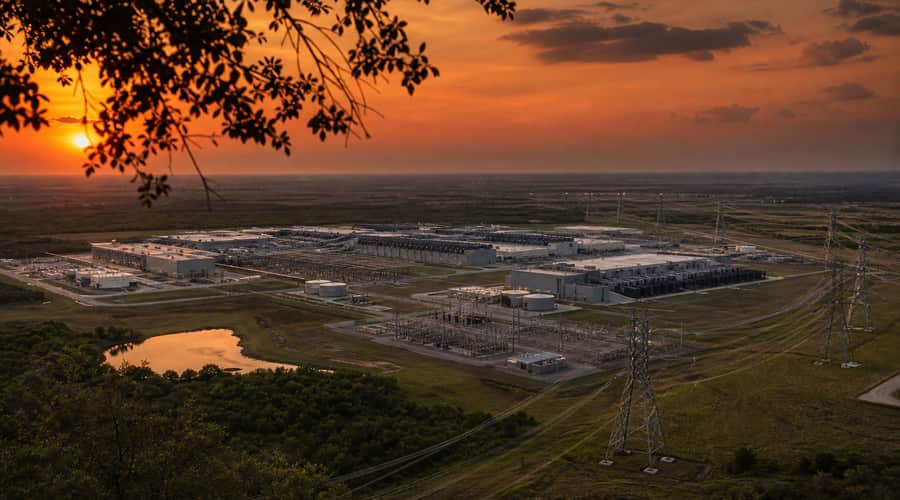
National polling shows broad opposition to AI data centers, with women expressing especially strong concern. For founders and investors, local consent is becoming a real constraint on site selection, permitting and infrastructure timelines.
Google has appealed the landmark U.S. ruling that found it illegally maintained monopolies in search and search advertising. The case could decide whether AI search rivals get meaningful access to distribution and data, or whether they must compete with Google largely on their own.
MoonPay is now live inside ChatGPT Apps, giving users a way to begin crypto purchases from inside the conversation. The move shows how AI app directories could become a new distribution channel for crypto on-ramps and embedded finance.
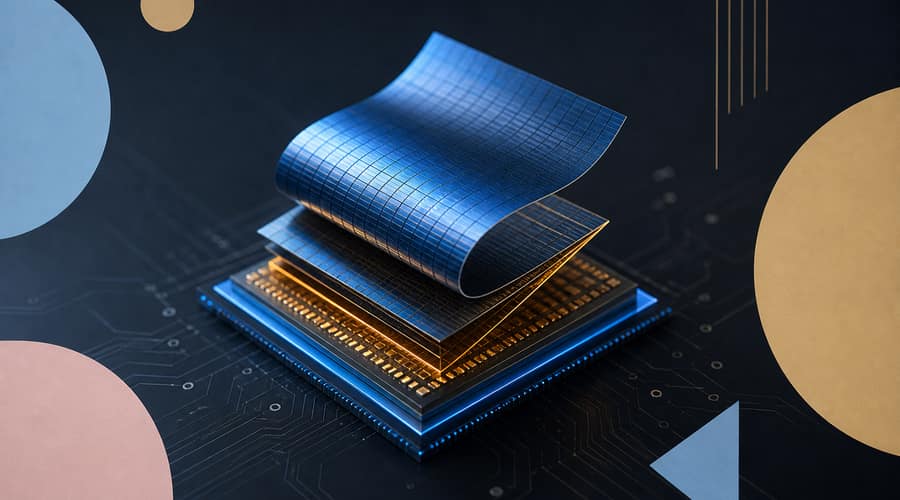
Micron has started 1-alpha DRAM manufacturing at its Manassas, Virginia fab as part of a larger U.S. expansion plan. The move strengthens domestic memory supply, but AI demand is still moving faster than new semiconductor capacity can realistically arrive.
Mark Cuban says he has sold most of his Bitcoin after losing confidence in its role as a hedge against dollar weakness and geopolitical stress. The move puts fresh pressure on Bitcoin's digital gold narrative just as institutions continue weighing its role in portfolios.
The Commonwealth Short Story Prize controversy shows how quickly AI authorship questions can become institutional risk. Publishers and contest organizers now need clearer disclosure rules, stronger review processes and detection tools that can support defensible decisions.
Emmanuel Macron just added €1.55 billion to France's quantum and semiconductor push, landing the announcement one day after the Trump administration committed $2 billion to U.S. quantum companies. The transatlantic coincidence is not accidental. It is a public acknowledgement that the next technology war is already underway.
Nomura has abandoned its call for two interest rate cuts in 2026 and now expects the Federal Reserve to leave borrowing costs unchanged. The reversal adds to a growing Wall Street consensus that persistent inflation is blocking the path to easier policy, with direct implications for startup financing, venture valuations and AI infrastructure spending.
A consortium led by CVC Capital Partners and Groupe Bruxelles Lambert just launched a €10.7 billion all-cash tender offer for Italian pharma group Recordati, aiming to delist the rare-disease specialist from Milan. This is not a distressed sale. It is a bet that private ownership can accelerate growth where public markets cannot.
Alibaba just released its most powerful Qwen model to date, but the flagship is only available through a paid API. The community is buzzing not about benchmarks alone, but about a 35-hour autonomous optimization run that hints at a new competitive front: endurance, not just intelligence.