Walter Schulze brings all the breaking news stories in the tech and startup world and to ensure that Startup Fortune offers a timely reporting on the trends happen in the industry. He now works on a part time basis for Startup Fortune specializing in covering tech and startup news and he also sheds light on investment opportunities and trends.
Micron crossed the 1 trillion mark after UBS tripled its price target to 1,625, underscoring how AI memory has become one of the market's most powerful trades.
Strive added 1,109 Bitcoin worth 85.4 million to its treasury, underscoring a broader shift as regulated asset managers begin treating Bitcoin as a core balance-sheet asset.
MiMo V2.5 Pro's lower API pricing puts another capable reasoning model into direct competition with DeepSeek V4 Pro. For startups, cheaper inference changes product margins, model routing decisions and the leverage buyers have with larger AI providers.
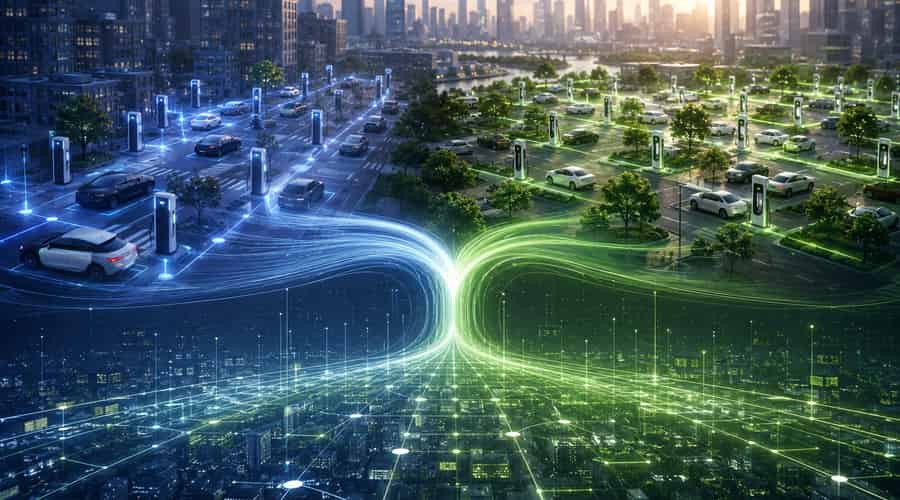
Revel and EQT-backed Voltera are merging to create a larger EV charging platform focused on fleets, ride-hail drivers and autonomous mobility. The deal shows how infrastructure capital is reshaping a charging market where scale, power access and site execution matter more than startup momentum.
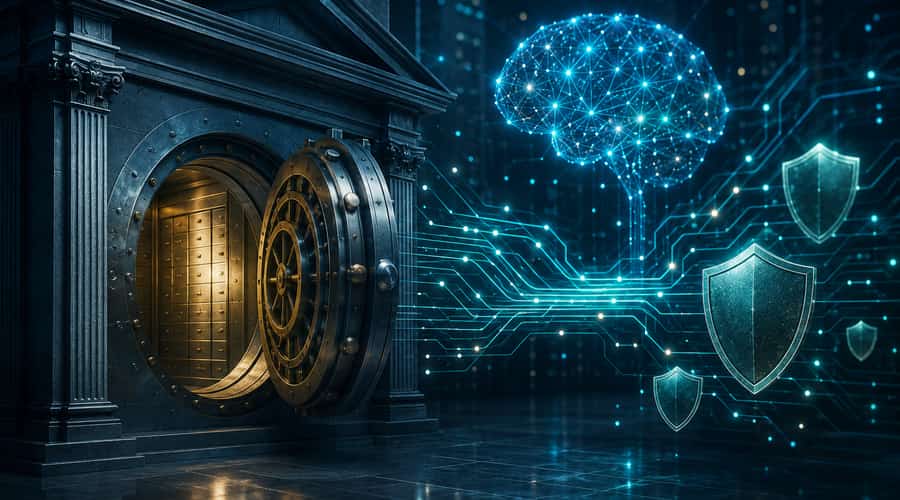
BNP Paribas is working with Mistral AI as banks prepare for Mythos-class cybersecurity models. The move shows how frontier AI access is becoming a practical security and procurement issue for European financial institutions.
Binance is returning to the Philippine market through BlockShoals Technologies and the SEC's StratBox sandbox. The move shows how global crypto exchanges are shifting from direct offshore access to local compliance partnerships.
Kalshi traders are assigning a 56% chance Bitcoin falls below 60000 and a 47% chance it slips under 55000, with 54000 emerging as the level bears are watching most closely.
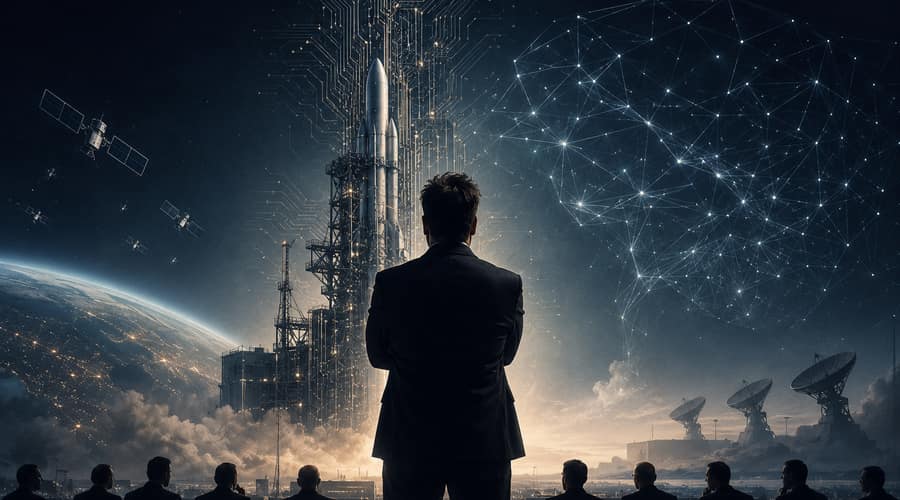
SpaceX's IPO filing gives Elon Musk extraordinary voting control while limiting ordinary shareholder power. The deal will test whether investors will accept weaker governance in exchange for exposure to rockets, satellites and AI infrastructure.
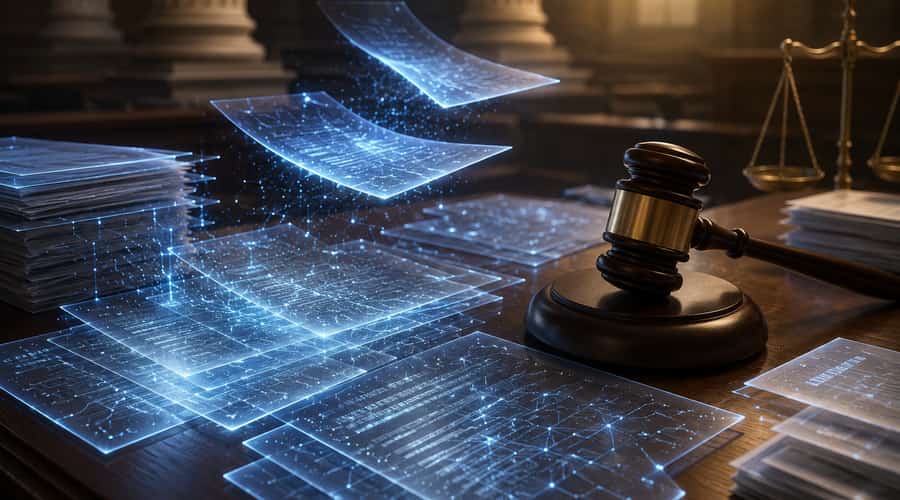
AI-assisted legal filings are giving self-represented litigants new reach, but courts are seeing more fake citations and defective arguments. The response is shifting toward disclosure, verification and clearer responsibility for anyone using AI to prepare court documents.
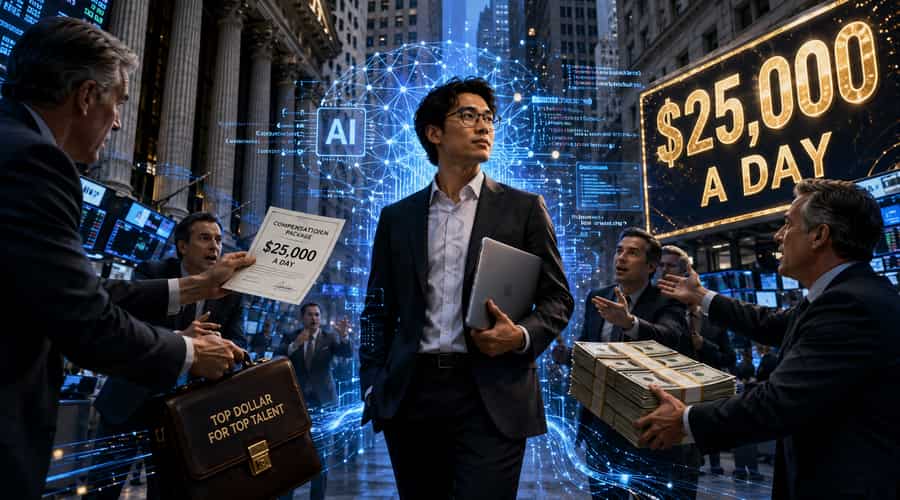
Wall Street banks are paying some AI advisers as much as $25,000 a day as adoption moves from pilots into core banking work. The premium shows how badly institutions need people who understand both advanced AI systems and financial services risk.
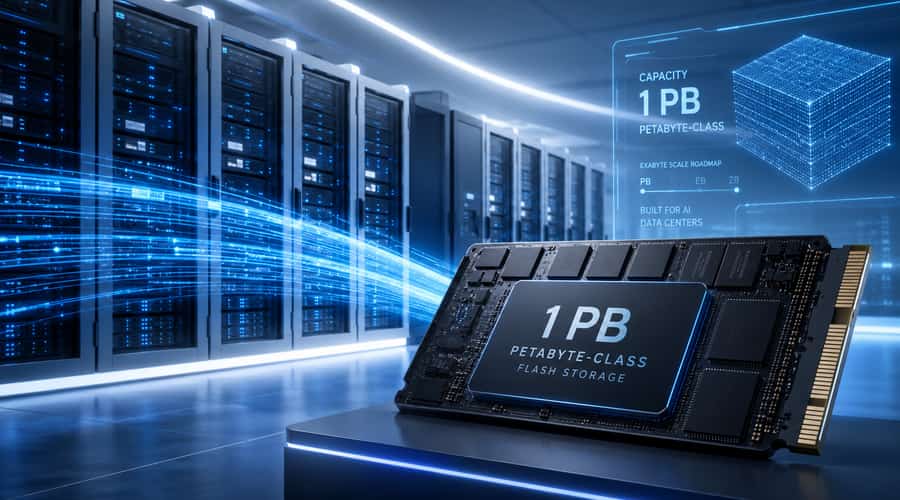
Samsung is reportedly developing nearline SSDs from 250TB to 1PB, targeting the storage demands of AI data centers. The move could pressure hard-drive makers and rival SSD suppliers as infrastructure buyers rethink density, power use and long-term storage economics.
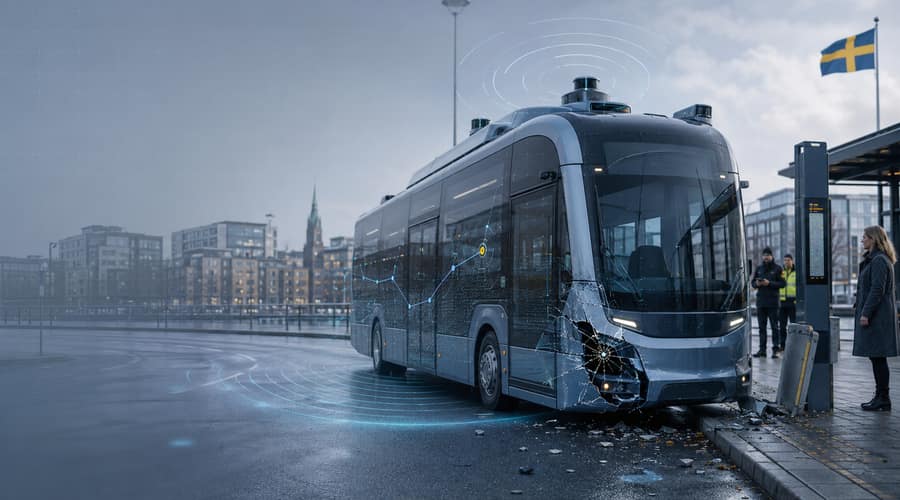
A self-driving Karsan bus in Gothenburg was hit by a tram on its first day carrying passengers, with no injuries reported. The incident highlights the gap between regulatory approval, public trust and real-world readiness for autonomous transit.
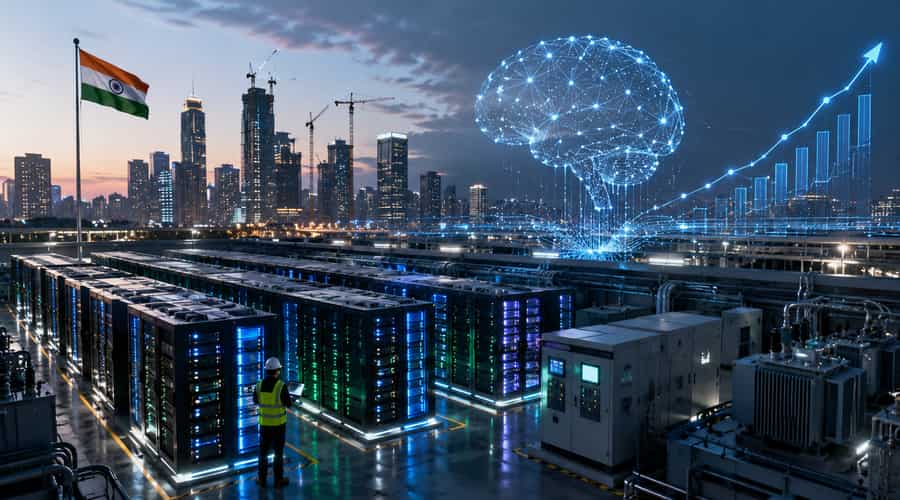
Schneider Electric says its India data center business is growing faster than its broader local operations as AI infrastructure demand accelerates. The signal matters because it shows India’s AI buildout is becoming a real market for power, cooling and energy management suppliers.
BlackRock's IBIT has posted more than $1 billion in redemptions across the latest six-session ETF outflow streak, turning the market's favorite institutional demand signal into a stress test. The move looks more like tactical rebalancing than abandonment for now, but Bitcoin's support near the high $70,000s matters.
A viral but unverified claim says OpenAI is paying New Yorkers to record household routines with 360-degree cameras. Whether or not the specific program is real, the reaction shows how quickly AI data collection is moving toward private physical spaces.
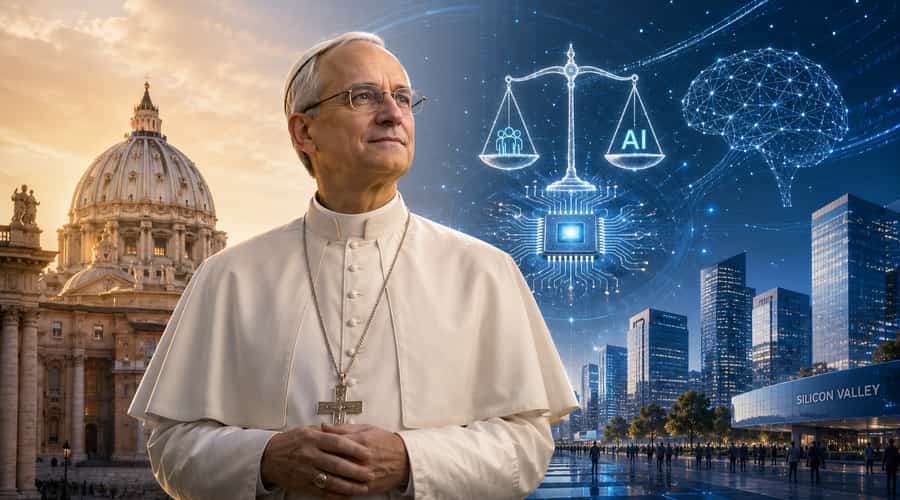
Pope Leo XIV is preparing to release his first encyclical on artificial intelligence with Anthropic co-founder Christopher Olah among the speakers. The move puts the Vatican more directly into the global AI governance debate and gives founders a new soft-power signal to watch.