DoorDash launched Ask DoorDash on June 11, an in-app AI chatbot that turns recipe photos and plain-language prompts into grocery carts, restaurant recommendations, and reservations. The bigger story is not convenience alone, but whether conversational commerce can make each customer more valuable.
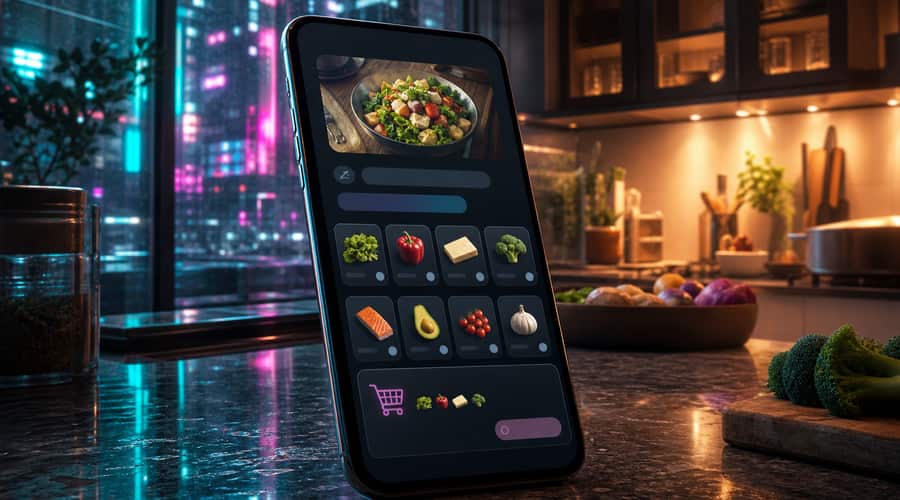
DoorDash is putting a new interface between users and dinner. Ask DoorDash is live today on iOS in select US markets, available through an Ask button in the app's search bar, and it lets users type, speak, or upload a photo to start an order. Point the app at a cookbook page, a handwritten grocery list, or a recipe on a laptop screen, and it can translate that prompt into a ready-to-checkout cart.
The feature also tries to solve one of the small frictions that makes grocery delivery feel clumsy: duplication. DoorDash says Ask DoorDash can check whether users already have pantry staples such as butter and sugar, so they are not restocking items already sitting at home. For restaurants, the same interface can handle a prompt like, a filling dinner for a family of four, then surface options with a short explanation for why each one fits.
The early performance numbers are the reason investors should pay attention. DoorDash said carts assembled through the chatbot averaged more than 35% higher in value than carts built through the standard app interface, while users completed them five times faster. Those figures matter in different ways. Higher cart values lift gross order value. Faster completion can reduce abandonment. Together, they suggest the feature is not simply a nicer search box, but a tool that could improve the economics of every grocery or retail order it touches.
That timing matters because DoorDash has been trying to prove that grocery and retail can become more than an expensive adjacency to restaurant delivery. The company has told investors those verticals are on track to reach profitability in the second half of 2026. If Ask DoorDash keeps increasing cart size while reducing checkout friction, it gives management a more credible story about how that target gets reached.
There is also a licensing angle tucked inside the launch. DoorDash plans to offer the Ask DoorDash technology to outside partners, including grocers, restaurant chains, and retailers, that could run the assistant under their own branding. That makes the product more than a consumer feature inside the DoorDash app. It is also an enterprise software pitch, and a possible answer to investors who questioned DoorDash's plan to spend several hundred million dollars on new products and technology in 2026.
The ChatGPT connection helps explain the larger strategy. DoorDash already has an integration inside OpenAI's platform, launched in late 2025, that lets users plan a recipe in ChatGPT and push the ingredient list to DoorDash for delivery. Instacart has moved in a similar direction. Both companies understand the same risk: if consumers begin shopping inside AI assistants instead of app search bars, the delivery platform needs to be present at the moment the transaction is ready to happen.
That is the real competitive contest. As AI assistants become discovery layers for food, grocery, and local commerce, the company that owns the interface has more control over recommendations, merchant visibility, and advertising inventory. DoorDash's current model depends on delivery fees, service charges, and merchant commissions. But if Ask DoorDash becomes the place users habitually decide what to eat or buy, it creates room for promoted placements that feel less like banner ads and more like personalized suggestions.
The industry is moving quickly. Target, Walmart, Shopify, and Etsy all added ChatGPT integrations through 2025, while Instacart pushed into its own chatbot features before DoorDash. The race is not about a single clever feature. It is about building shopping habits around conversational prompts before consumers settle into someone else's assistant, marketplace, or checkout flow.
DoorDash does have one structural advantage. It operates across restaurants, grocery, and retail inside one app, which gives Ask DoorDash a wider set of behavioral signals than a single-category competitor can collect. A customer who orders Thai food on Thursday and builds a birthday cake ingredient cart on Saturday is showing a pattern that a pure grocery app may not see. That data only becomes a moat if DoorDash can turn it into recommendations that feel useful instead of generic.
The rollout is deliberately narrow for now: iOS first, select US markets, with a broader national expansion planned in the coming weeks. That gives DoorDash room to tune product quality before exposing the assistant to a larger audience. The key question is whether users treat it as a novelty or let it replace the scroll-and-tap habits that food delivery apps have spent years building.
The next DoorDash earnings call will be worth watching closely. If management leads with Ask DoorDash engagement data and ties it to grocery and retail profitability, that will be the signal that this launch has moved from product update to business model story.
Also read: Waymo Premier is Alphabet's bet that loyal riders will pay a monthly fee to skip the line • Visa embeds its payment network inside ChatGPT as the race to own agentic commerce breaks into a sprint • CoreWeave takes its AI debt machine to Europe with a $3.55 billion junk bond deal that opens a new frontier for the continent's institutional investors