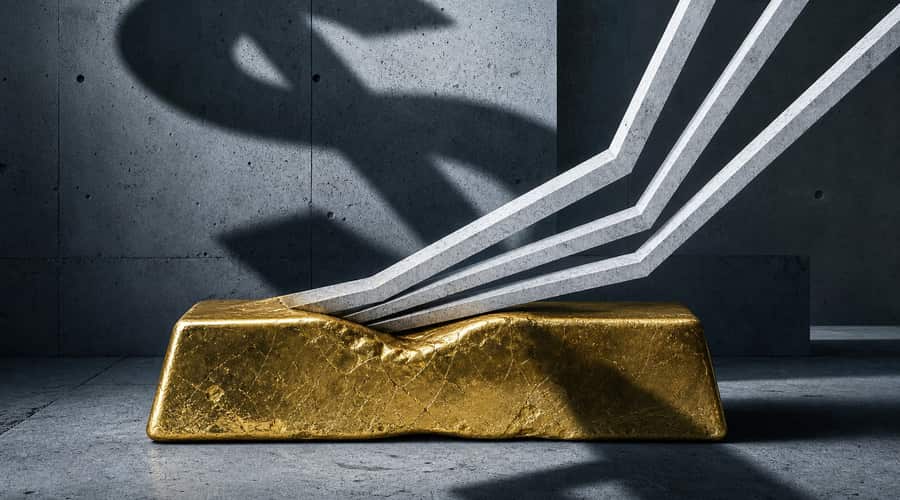
A hot US jobs report has changed the gold trade in a hurry. The metal is no longer just fighting profit-taking, it is fighting the return of higher-for-longer interest rates.
Gold’s strongest argument this year was simple: investors wanted protection from inflation, geopolitical risk and a Federal Reserve that looked closer to cutting than tightening. That argument took a hard hit after the May payrolls report showed the US economy added 172,000 jobs, far above expectations near 85,000, and pushed traders back toward the possibility of another Fed rate hike before year-end.
The reaction was immediate. Spot gold fell about 3.3% on Friday to roughly $4,326 an ounce, according to Reuters figures carried by Investing.com, while Bloomberg reported that bullion dropped as much as 3.4% as Treasury yields and the dollar climbed together. For gold, that combination is usually painful. A stronger dollar makes the metal more expensive for non-US buyers, while higher yields raise the opportunity cost of holding an asset that pays no income.
This was not just another noisy day in the metals market. Gold had entered June with the residue of a powerful first-half rally, supported by central bank buying, Middle East risk and concern that inflation was becoming harder to contain. By the end of the jobs-driven selloff, BullionVault noted that the metal had effectively erased its gains for 2026. That matters because a market that was being rewarded for resilience is now being tested for real support.
The jobs number changed the question investors are asking. Before the report, the debate was whether the Fed could stay patient while inflation pressures cooled. After it, the market had to consider whether the labor market is still too strong for comfort, especially with energy risk elevated and wage growth still part of the inflation picture.
The Bureau of Labor Statistics said unemployment held at 4.3% in May, while payroll growth beat every major forecast range. That does not automatically mean the Fed will hike at its June 16-17 meeting, but it gives policymakers more cover to keep policy tight and less reason to reassure markets that cuts are coming. Rate futures shifted sharply after the release, with CME FedWatch showing the odds of at least one increase by year-end rising to roughly two-thirds.
For gold, the difference between a pause and a hike is not academic. When markets expect easier policy, gold can rise even during periods of dollar strength because investors see lower real yields ahead. When the market starts pricing a hike, that support weakens. Every dollar sitting in bullion has to compete with Treasury bills, money-market funds and bonds that suddenly look more attractive.
That is why the latest drop has a different feel from a normal pullback. Gold was not sold because the long-term case disappeared overnight. It was sold because one of the pillars beneath that case shifted. A market can absorb profit-taking. It has a harder time absorbing a repricing of the entire Fed path.
The dip is tempting, but the floor is less clear
There is still a case for buying gold on weakness. The Iran and Strait of Hormuz risk premium has not vanished, oil markets remain sensitive to headlines, and central banks have not suddenly stopped wanting reserves that sit outside the dollar system. The World Gold Council has also pointed to strong first-quarter demand and continued official-sector buying, which gives the market a deeper foundation than speculative flows alone.
But a dip is only attractive if investors understand what they are buying. The bull case now depends on safe-haven demand being strong enough to offset higher yields. That can happen during a genuine shock, but it is harder to sustain when the dollar is rising and the Fed is being pushed toward more restraint. In plain terms, gold needs either a fresh geopolitical escalation, softer inflation data, or a weaker run of economic numbers to regain its clean momentum.
The next test will come quickly. Inflation data and Fed communication now carry more weight because they will show whether May payrolls were a one-off surprise or part of a stronger pattern. If inflation remains sticky and the labor market refuses to cool, gold could spend more time searching for a floor near recent lows rather than marching back toward its highs.
Investors should also be careful with the word crash. Gold’s fall was sharp, but it came after a major rally and amid one of the most crowded macro debates in markets. A reset in positioning is not the same thing as the end of the gold story. What has changed is the burden of proof. The metal now has to earn its next move higher against a Fed outlook that is no longer friendly by default.
The practical takeaway is straightforward. Gold can still work as insurance, but the easy part of the 2026 trade is over. From here, the market will be driven less by broad enthusiasm for hard assets and more by the weekly contest between yields, the dollar and the next piece of evidence on whether the Fed is done tightening.
Also read: Gold has replaced Treasuries at the center of reserve management • Alaska joins the sound money movement by stripping all state taxes from gold and silver • A Costco gold scare shows why bullion testing needs a second check