Google is turning the humble phone call into a verified connection, and that matters because scammers are no longer pretending to be strangers.
Google’s Phone app is getting a new fake call detection feature that can warn you when a caller appears to be spoofing someone already saved in your contacts. That is a much sharper problem than ordinary spam. Most people know to be suspicious of an unknown number. Far fewer pause when the screen says the call is coming from a parent, a coworker, or a bank contact they saved years ago.
The new Android feature, announced as part of the June Android Drop on June 2, is designed to answer one simple question before you pick up: is this call really coming from the device it claims to be coming from? If the answer is no, Phone by Google can show a warning so the user can end the call before the conversation starts.
That sounds small, but it is a meaningful shift in how mobile security works. Caller ID has always been treated like a useful signal, even though number spoofing has made it unreliable for years. Scammers have learned that people ignore unknown numbers, so they increasingly borrow the names and numbers that already carry trust. Add AI voice cloning to that, and the old rule of thumb, listen carefully and trust your instincts, starts to look painfully weak.
The most effective scam is not always the most technical one. It is the one that reaches people at the moment they are least prepared to question it. A call that appears to come from a family member can create urgency before the first word is spoken. A call that looks like it is from a colleague can make a payment request feel routine. A call that mimics a known business contact can move a victim into action before they ever think to verify the number elsewhere.
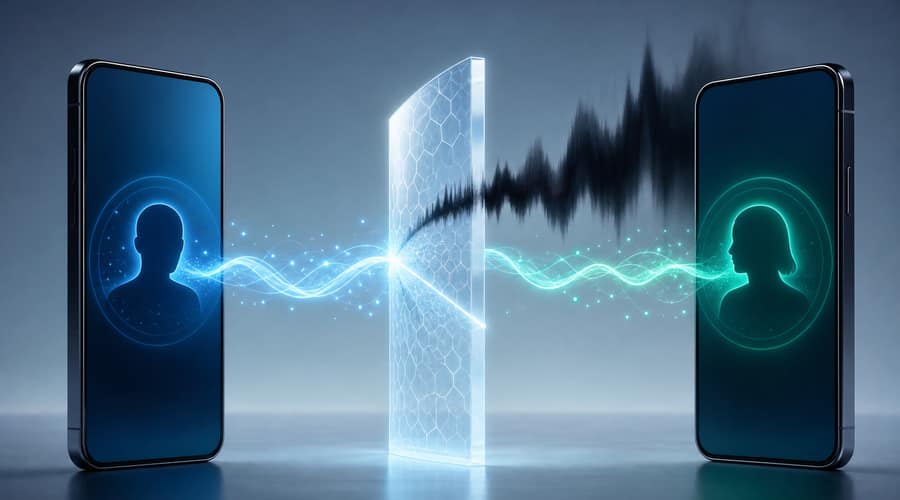
Google is trying to interrupt that pattern at the device level. According to Google’s June Android Drop announcement, fake call detection works through Phone by Google and uses an end-to-end encrypted digital handshake between devices. When a saved contact calls, the caller’s device sends a silent confirmation signal in real time. If that signal is missing or fails, Android can flag the call as potentially fake.
This is different from Google’s existing Scam Detection, which analyzes suspicious call behavior and is available on supported Pixel devices, with Gemini Nano powering it on Pixel 9 and later models. The new contact-spoofing defense is less about judging what someone says during a call and more about verifying whether the call is connected to the actual person’s device in the first place.
That distinction matters. AI can help detect scam language, but language changes quickly. Fraudsters learn what triggers warnings and adjust the script. Device verification gives Android another layer of protection before the social engineering begins.
The catch is the ecosystem
The feature is useful, but it is not magic. Both people need to be on Android and using Phone by Google for the verification to work. Reports around the rollout also point to Google Messages and Google Contacts being part of the setup, which makes sense because the system leans on encrypted RCS-style identity verification rather than old telephone network trust.
That means the protection will be strongest inside Google’s own Android stack. If one person is using an iPhone, a carrier dialer, or a manufacturer’s default phone app without Google’s dialer involved, the signal may not be there. For ordinary users, that limitation is easy to miss. For Google, it is also the strategic tension at the center of the product.
Security features are more powerful when they are widely adopted, but Android is not one uniform device family. Samsung, Motorola, OnePlus and other manufacturers all make choices about default apps, regional availability and how aggressively they surface Google services. Google can build a better defense, but the value compounds only when enough people are inside the same verified calling environment.
There is also a business angle here. Scam protection has become part of the smartphone sales pitch. Pixel phones have leaned heavily on Call Screen, spam filtering and AI-powered safety features. Samsung’s Galaxy S26 series has already been tied to broader availability of Google’s Scam Detection, showing that fraud prevention is becoming a platform feature rather than a niche privacy setting. The company that makes people feel safer answering the phone gains a real advantage.
The privacy framing will matter as well. A silent device-to-device check is easier to defend than recording or uploading call audio. Google says its existing Scam Detection keeps call audio and transcripts private on supported devices, and this new verification approach fits the same direction: make the phone smarter without making every call feel monitored.
For users, the practical takeaway is clear. A familiar name on the screen is no longer proof. That was true before, but now the phone itself is starting to acknowledge it. The next phase of mobile security will not just block unknown spam. It will have to verify trust where trust already exists.
That is where this update becomes bigger than one Phone app feature. Voice scams are becoming more personal, more convincing and harder to detect in the moment. Google’s answer is to make identity part of the call infrastructure, not just an afterthought on the screen. Watch how quickly that idea spreads beyond Android, because the phone call is becoming a verification problem again.
Also read: Perplexity turns the AI PC into a cloud traffic controller • China has put reusable rockets back in focus with Long March 12B • Google is making Android verify who is really calling.