Singapore's OCBC has partnered with digital asset platform Treasury Futures to debut the region's first regulated tokenized physical gold fund, letting investors buy fractional stakes in vault-held gold via blockchain.
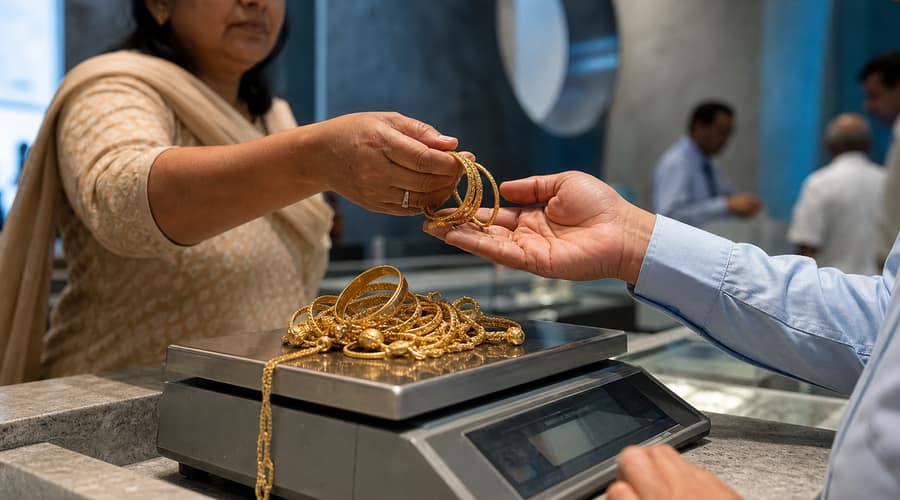
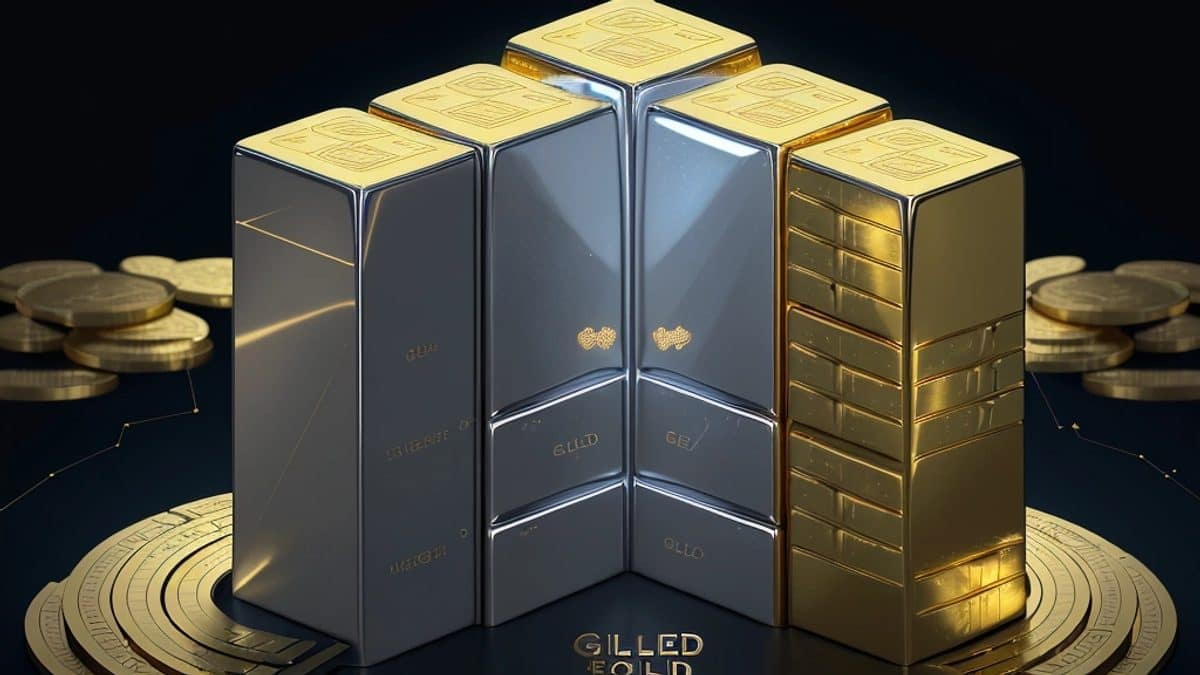
Gold has always been the refuge asset of choice, but for most retail investors in Southeast Asia, meaningful exposure has meant navigating high minimums, clunky storage logistics, or derivatives that don't actually get you anywhere near the metal. OCBC just changed that calculus. The Singapore bank announced on April 21 that it has launched the region's first tokenized physical gold fund, built on a permissioned blockchain and structured to meet the Monetary Authority of Singapore's regulatory standards. Each token represents a direct ownership stake in physical gold sitting in a secured vault , no proxies, no paper claims.
The partnership with Treasury Futures, a Singapore-based digital asset platform, did the technical heavy lifting. OCBC contributed its private banking wealth management infrastructure, which means the product lands inside a framework that institutional and high-net-worth clients already trust. The combination is deliberate: the bank isn't trying to compete with crypto exchanges, it's trying to make tokenized real-world assets feel as routine as a money market fund.
What makes the structure genuinely interesting is the fractional ownership model. Traditional physical gold products in the region have historically carried minimum investment thresholds that exclude a significant slice of the investing public. By tokenizing the underlying asset, OCBC has compressed that barrier considerably, though the bank hasn't disclosed specific minimums or the fund's total size. The emphasis, at least from the initial release, is on accessibility and on-chain liquidity rather than headline figures , which suggests the commercial pitch here is as much about distribution breadth as it is about asset scale.
The timing matters. Tokenized real-world assets have been building regulatory and institutional momentum across Asia for the past two years, but most of that activity has centered on bonds and money market instruments. Gold as an underlying asset carries a different kind of weight , it's the one commodity that retail investors emotionally identify with as a store of value, especially in Southeast Asian markets where gold has deep cultural resonance beyond its financial function. OCBC is essentially meeting that preference on familiar terms while wrapping it in modern infrastructure.
There's also a meaningful distinction worth drawing between this product and the speculative end of the crypto market. The token here isn't generating value from network activity or algorithm-driven scarcity. It's backed by allocated physical gold, auditable on a permissioned ledger, and governed under MAS oversight. That combination gives institutional-grade transparency without asking investors to absorb the volatility profile of a native cryptocurrency. For wealth managers trying to modernize client portfolios without alarming compliance teams, that's a meaningful selling point.
Singapore's positioning as the regional template for this kind of product isn't accidental. MAS has been methodically building out its tokenization regulatory framework, and OCBC's launch is partly a validation of that groundwork. Other banks in the region are watching closely. If this fund demonstrates sustainable inflows and clean operational execution, the pressure on competitors to offer comparable products will build quickly , and the natural next candidates for tokenization, real estate and corporate bonds, are already being discussed in the same circles.
For investors, the practical takeaway is straightforward: gold exposure in Southeast Asia just got more granular and more liquid. For the broader market, the more consequential signal is that tokenized assets are moving out of the proof-of-concept phase and into regulated, bankable products that don't require a crypto wallet or a tolerance for speculative risk. OCBC has set a regional precedent. The question now is how fast the rest of the market follows.
Also read: Uganda's central bank begins buying gold directly from local miners to build foreign reserves • A viral gold nugget haul is reigniting the prospecting hobby at exactly the right moment for precious metals • A viral gold nugget haul is reigniting the prospecting hobby at exactly the right moment for precious metals