Retail investors are discovering bullion at or near spot price in local pawn shops, and while it looks like a bargain, it reveals deeper currents running through the physical precious metals market in 2026.
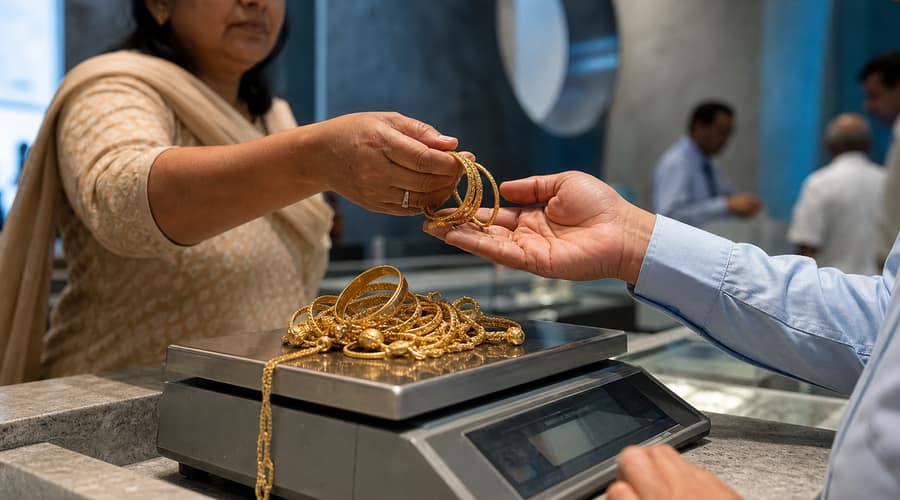
Something unusual is happening at the counter of pawn shops and small coin dealers across the country. Buyers , many of them self-described stackers who track silver premiums the way day traders watch spreads , are walking out with physical bullion at prices that, until recently, would have seemed impossible. No fabrication markup. No dealer margin. Just spot, or close enough to it that the difference barely registers. The conversations have moved from local Facebook groups onto Reddit threads and X, and the question keeps surfacing: is this normal?
The short answer is no. Under typical market conditions, physical gold and silver carry a premium over the spot price , the global benchmark for immediate delivery set by futures markets. For a popular silver coin like an American Silver Eagle, that premium has historically run between $2.50 and $5.00 above spot. Gold bars generally add one to five percent. Those markups exist for real reasons: minting costs, distribution, insurance, and the dealer's need to stay solvent. When those margins compress to near zero, something structural is shifting.
Dealers and pawn brokers don't sell at spot out of generosity. They do it when inventory is moving too slowly at normal premiums, when they need cash, or when local supply has temporarily outpaced local demand. In 2026, a combination of factors appears to be driving all three. Gold surged through 2025 into record territory, pulling silver along with it and encouraging a wave of retail selling , everyday holders liquidating coins and bars they bought years earlier. That wave of secondhand supply, flowing through pawn shops rather than institutional channels, is creating pockets of genuine surplus in some markets.
Users on precious metals forums are citing transactions where silver changed hands at spot plus $0.50, or in a handful of reported cases, exactly at spot. These aren't online dealers absorbing losses as a customer acquisition strategy. These are brick-and-mortar shops with overhead, which makes the pricing more striking. For a buyer, it represents one of the lowest-friction entry points into physical metals in recent memory , no shipping, no wait, and no premium eating into the position from day one.
Pawn Shops as Economic Barometers
There's a less optimistic reading of the same data. Pawn shops have long functioned as informal gauges of consumer financial stress. When people need liquidity quickly, they don't call a broker , they walk into a pawn shop. A surge of metals coming in through distressed sellers, combined with softer retail demand for new purchases at standard premiums, creates exactly the kind of inventory overhang that forces pricing down. The bargain on the counter may be someone else's emergency.
That dynamic matters for how investors interpret the signal. Near-spot availability at a local shop isn't the same as the broader market softening , gold's global price remains elevated, and institutional demand from central banks has stayed robust through early 2026. But it does suggest that the retail layer of the market, the part closest to everyday economic conditions, is absorbing more pressure than the headline spot price implies.
For buyers who have been waiting for premiums to normalize after years of post-pandemic spikes and supply chain disruptions, the current window is worth paying attention to. Premiums don't stay this compressed forever. When retail demand picks back up , driven by the next inflation print, a currency scare, or simply renewed media attention on metals , dealers will have the leverage to widen spreads again. The spot-or-near-spot moment is almost certainly temporary.
The trend also puts pressure on established online dealers like APMEX and JM Bullion, whose pricing models depend on consistent premium structures. If local shops are undercutting them on walk-in purchases, some buyers will simply stop paying for the convenience of a trusted online retailer. Whether that shifts meaningful volume remains to be seen, but it's a competitive dynamic the industry hasn't had to reckon with quite like this before. Watch whether online dealers respond with promotional pricing or volume discounts in the months ahead , that would confirm the local pressure is real and spreading.
Also read: Gold just hit a record and silver hasn't looked this good in a decade so the stacking community is having a moment • Gold just hit a record and silver hasn't looked this good in a decade so the stacking community is having a moment • A viral social media post is reminding the world that one Dead Sea Scroll is not scripture but a copper-engraved inventory of billions in buried treasure